WHY
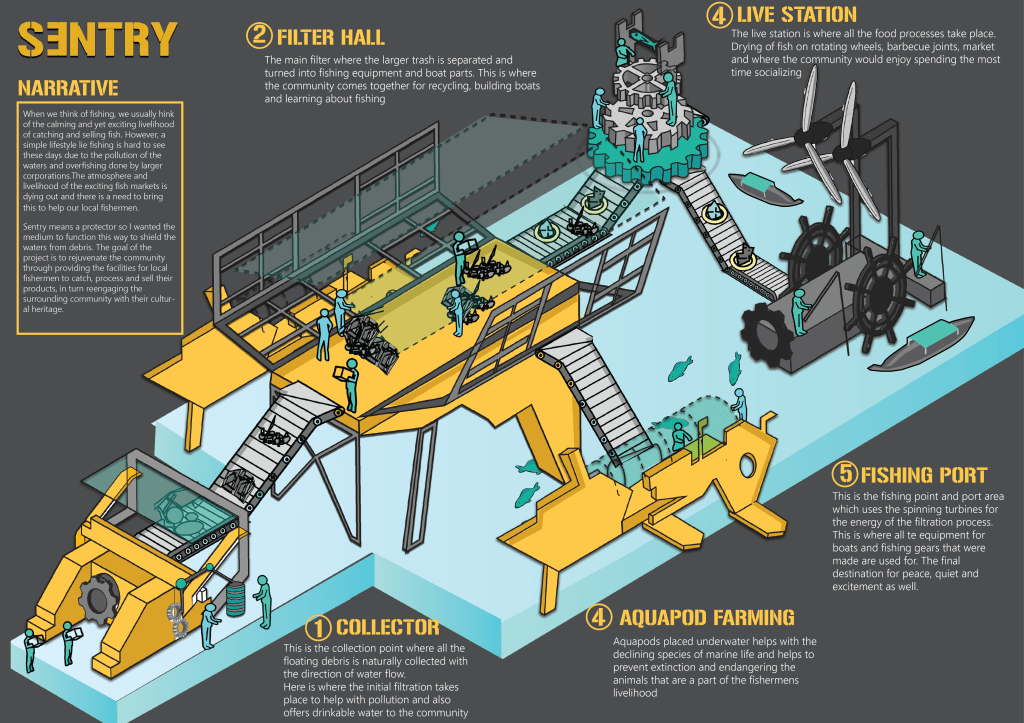
The goal of this project is to revitalise the old, small scale industrial community of Malaysia fishermen that breaks the current detrimental cycle of overfishing and pollution. I want to rejuvenate the community through providing the facilities for local fishermen to catch, process and sell their products, in turn reengaging the surrounding community with their cultural heritage.
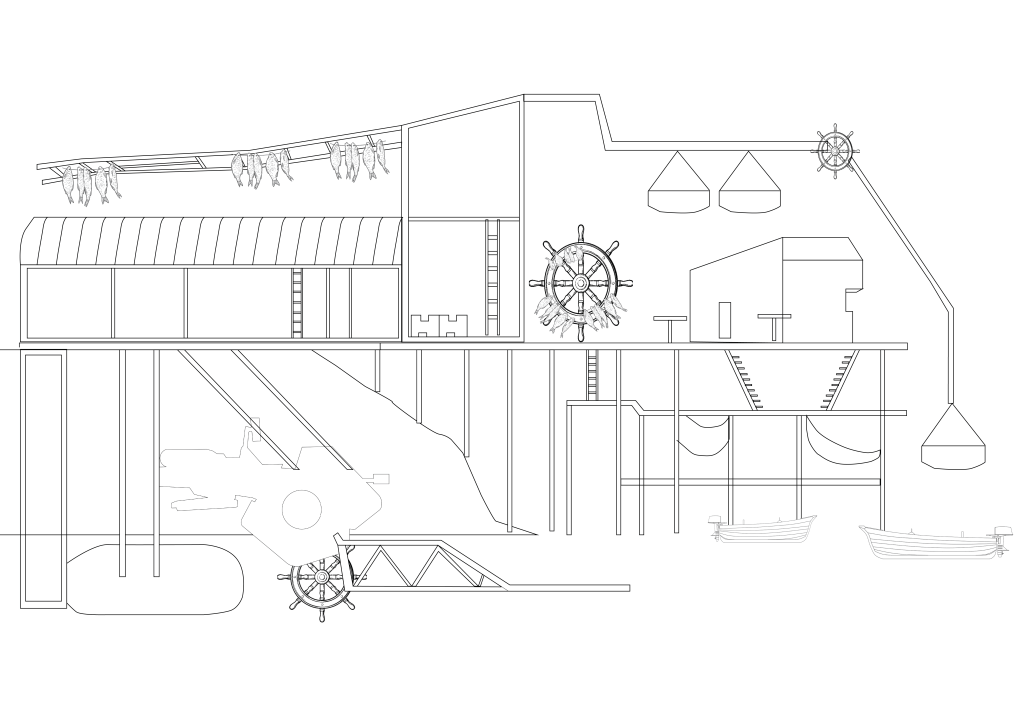
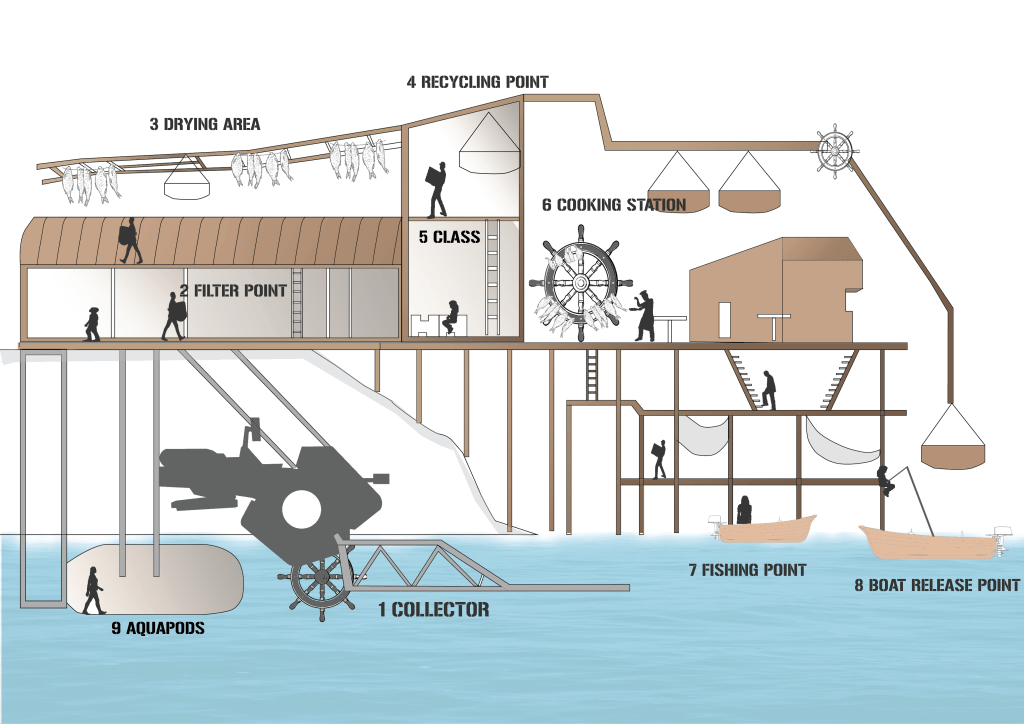
The medium Sentry would be used in this way to aid in community activities such as drying of fish, processing it into different products and I want there to be a way to use the fish waste to create a form of energy such as biogas which also provides energy for fuel for the boats.
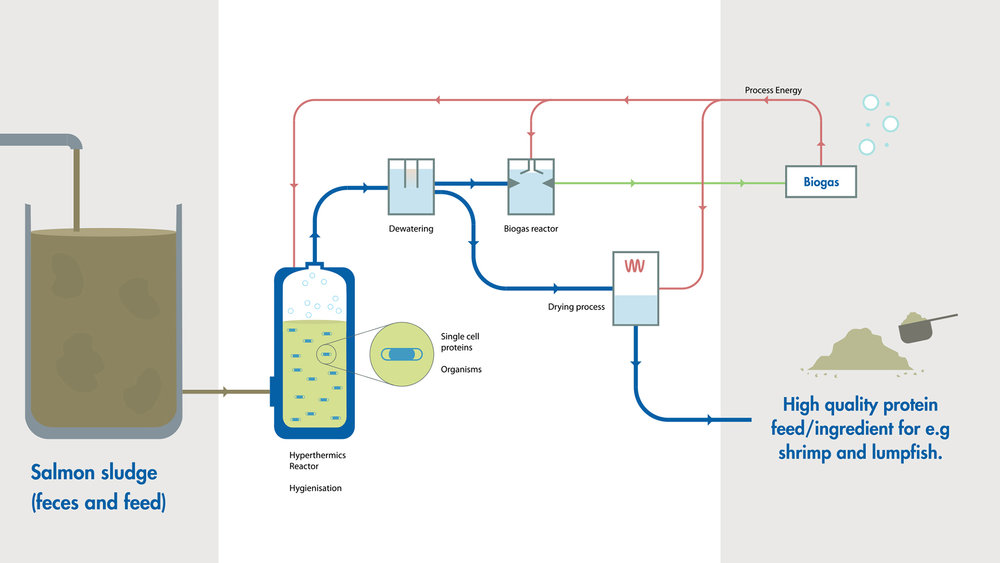
This process can also help with the aquapods as the feed can be obtainable this way. This would make the process self sufficient and help the community to prosper more while being involved in these activities. THe fuel obtained from biogas will help with the costs for the fishermen so that they can continue to do their activities.
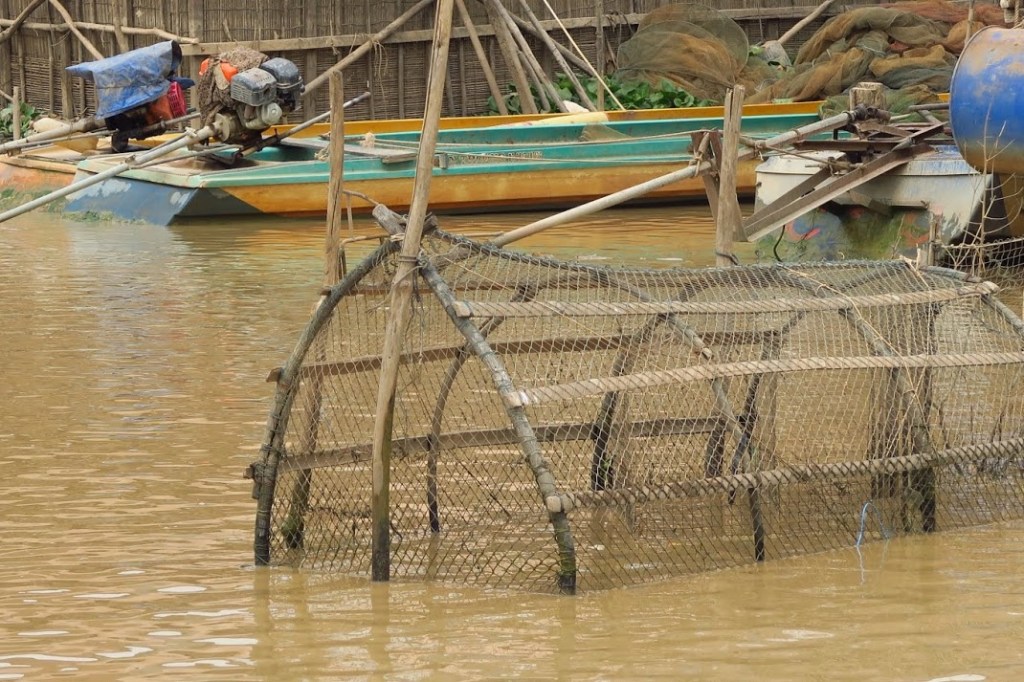
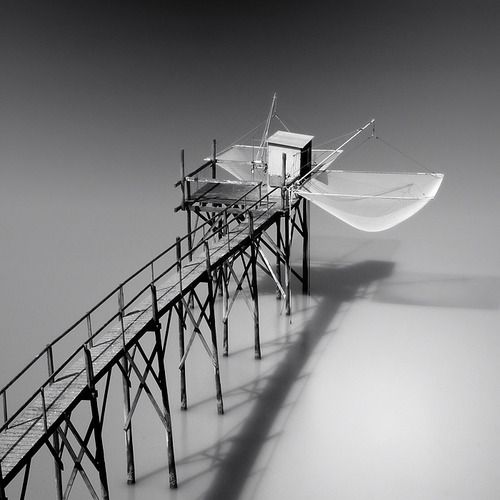
Stilts or structures from wood can be used in the drying process of fish. The can be a part of the architectural structure to use as a mechanism such as the medium offers.
FISHING PODS/LIVING AREA
The fishermen accommodation can be divided into individual pods and the boats could be accessed below
Fishing Dream No 8
What is the fishing dream is something I often ask myself. Although beliefs are that it is not a complicated job, the essence of the peace and calm that it brings requires a lot of knowledge and experience to be practiced efficiently. So it brings the question, what actually does the fishing community desire in their livelihood?
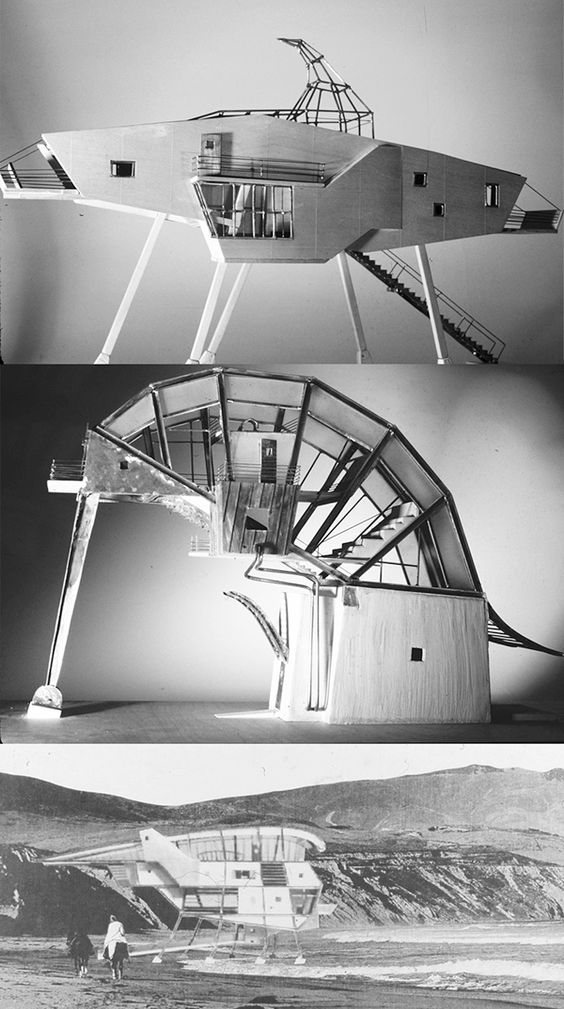
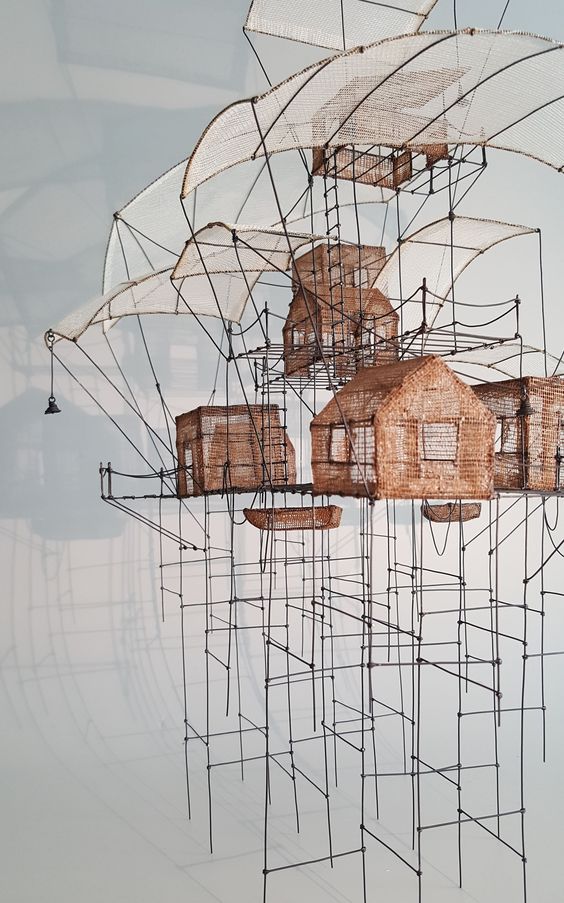
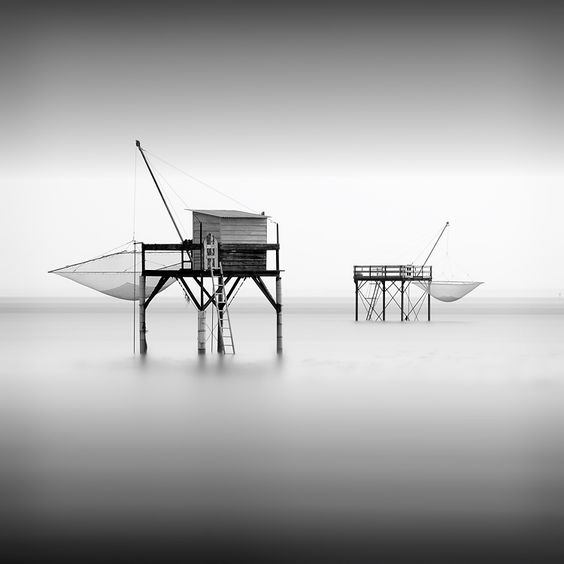
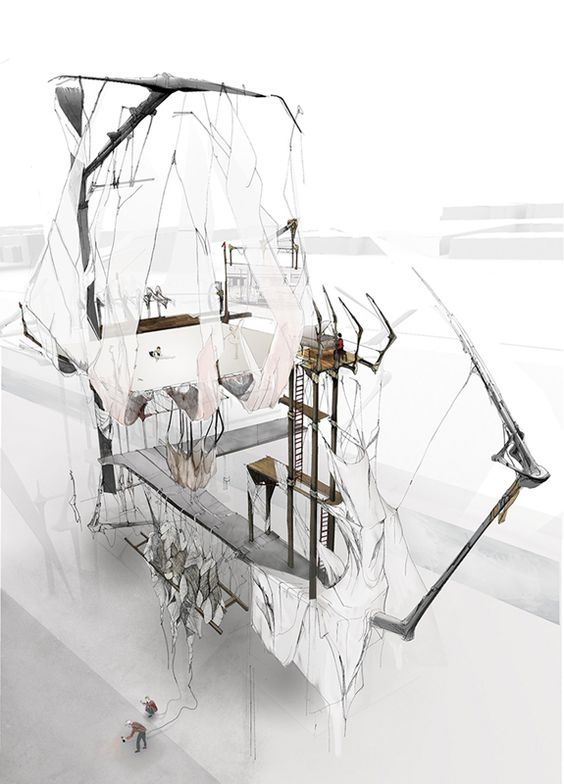
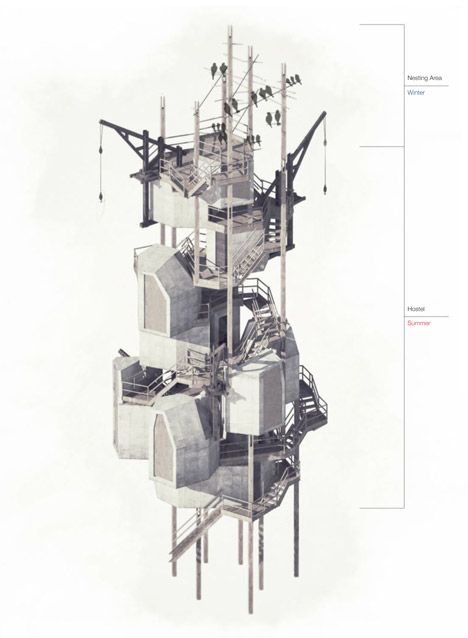
What I want to create for my project is a self sustaining mechanism so that the local fishing community can benefit from this system and be heavily involved in it to create a better community. The No 8 represents the full circle of life and sustainability in this way. Here are some examples of concepts I want it to look like
General livelihood consists like this
1. Fishing communities are generally closely knit communities.
2. They needs space for their equipment, boats, nets, cold storage facilities and workshop.
3. Fishing communities traditionally have always been in close proximity to the sea so that they have enough space to attend to their nets.
4. Because of the close proximity to the sea issues relating to ecology/climate responsive design/disaster management naturally have considerable importance.
4. They may need space to sell their catch. Not if they take it to the Harbour. Then storage and vehicular circulation has to be designed accordingly.
5. Some special attention needs to be taken for waste/drain management and hygiene.
6. Men are generally away in the seas for long time. So women and children tend to involve in some income generation activities.
ACTIVITIES
-Trash collection
-Building of boats and equipment
-Auctions/ Selling of fish
- Recycling of fish parts
-Aquafarming: Growth of endangered/needed fish/shrimp
-Line fishing, trawling
EXAMPLES; LOFOTEN ISLANDS
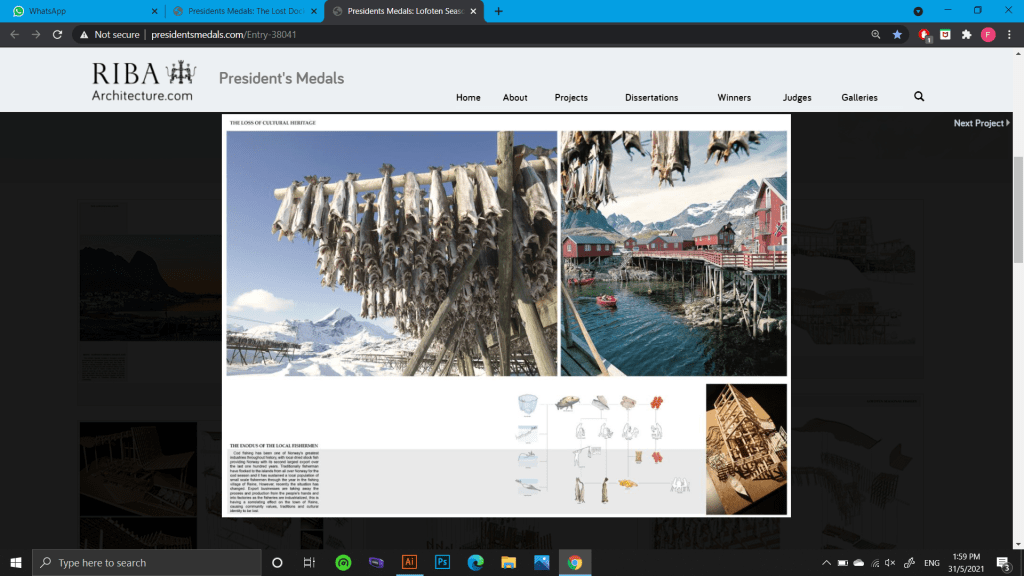
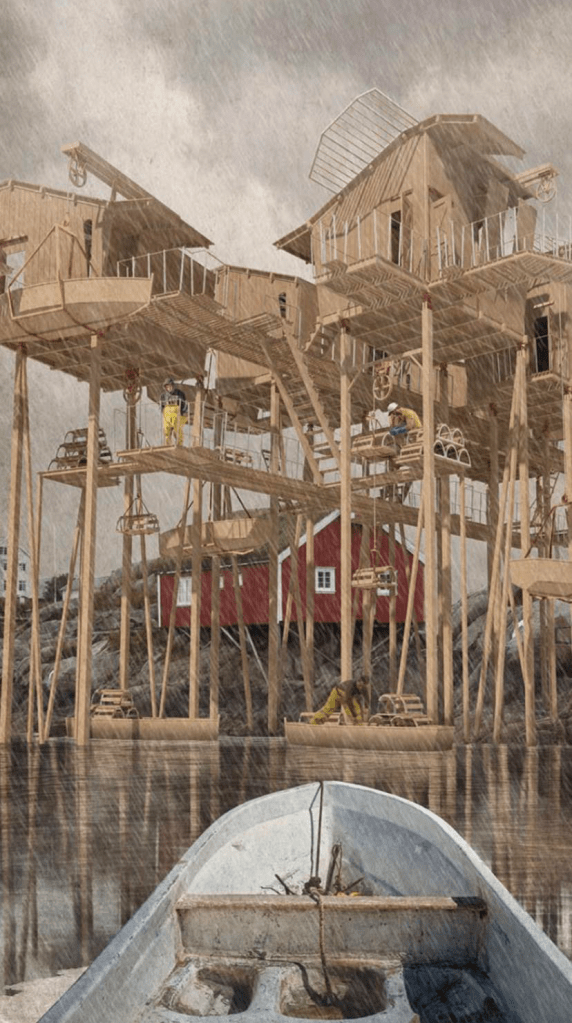
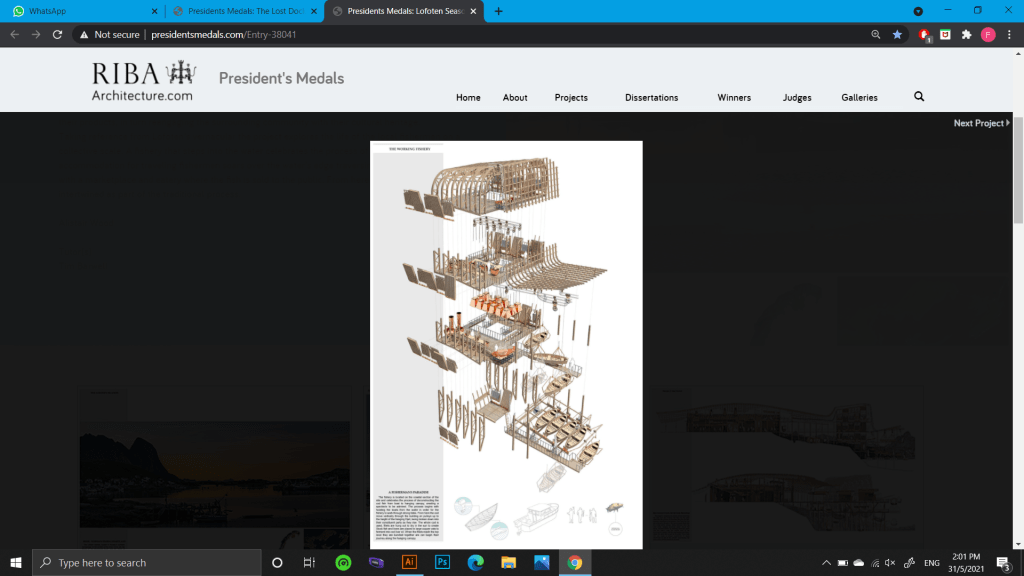
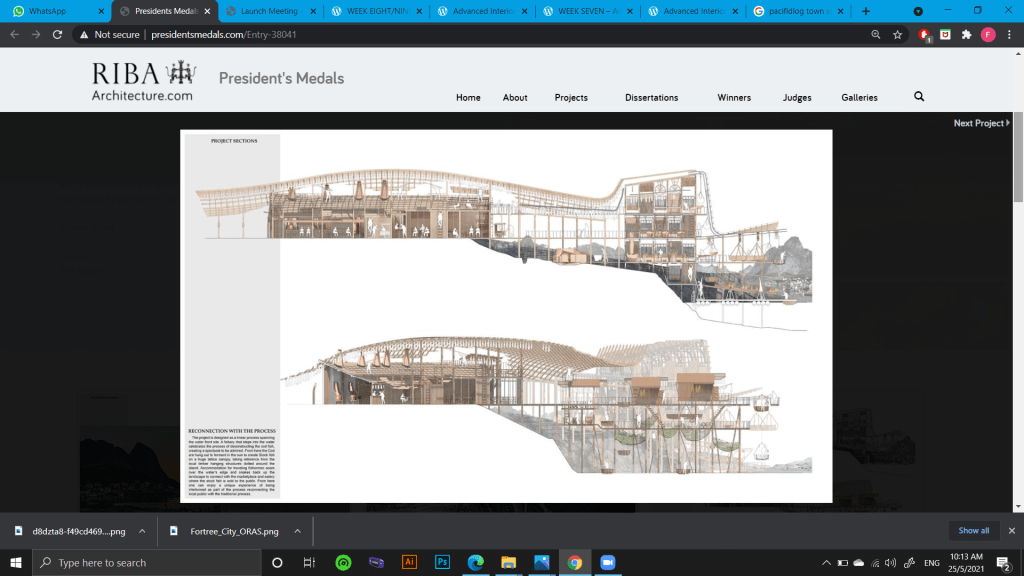
The main production of dried fish occured in this area in Norway but due to industrialization and modernization, the culture is being lost. This project celebrates the deconstruction of codfish from fermentation and drying using the timber structures along with accommodation for the fishermen. The accommodation runs along the water body which also connects the marketplace and eatery where stock is sold.
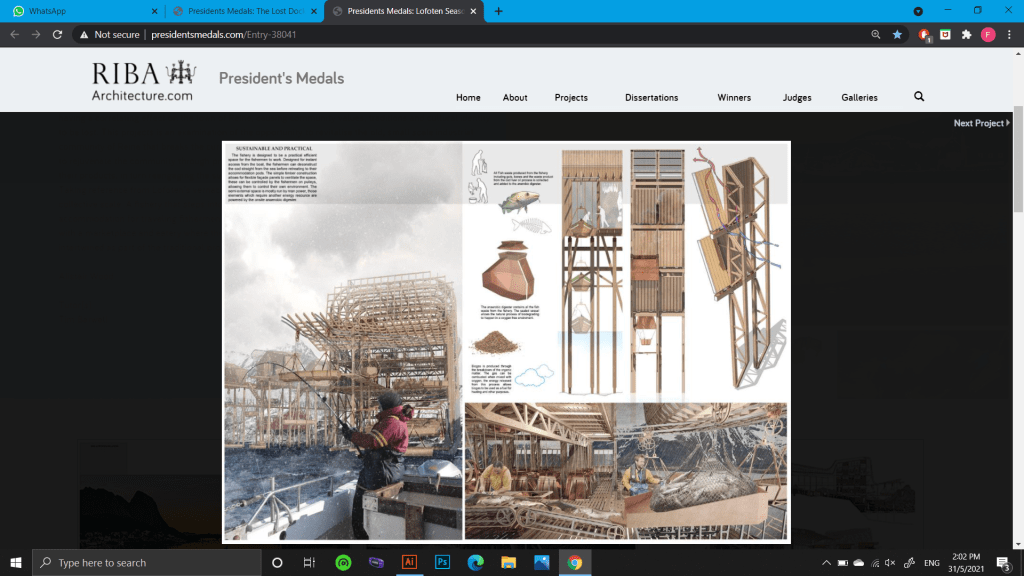
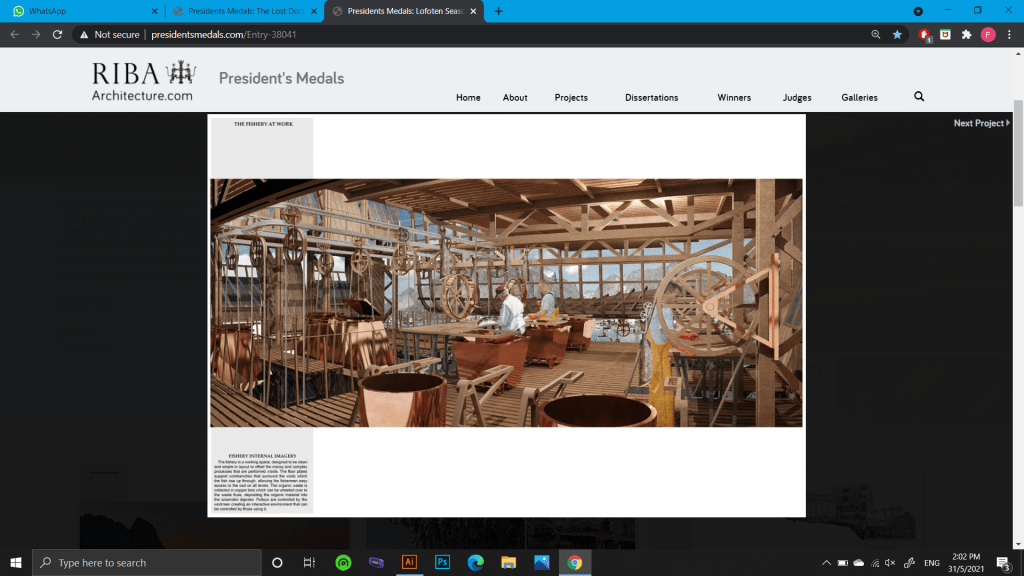
The fishery is over the coastal zone, the connection points being eateries and markets and this connects the industrial part on the land area. So public can connect with both areas. THe process of cod fish usage is started from the water and hoisting the boats in order for fihsery to work through strong tides. From here as it rises, cod is broken down into more parts and the end product at the top of the lattice. It also uses copper vats to ferment into cod liver oil.
Fishermen deconstruct cod straight from the sea and the pulleys can carry it up using energy made from biogas.
KUALA PERLIS
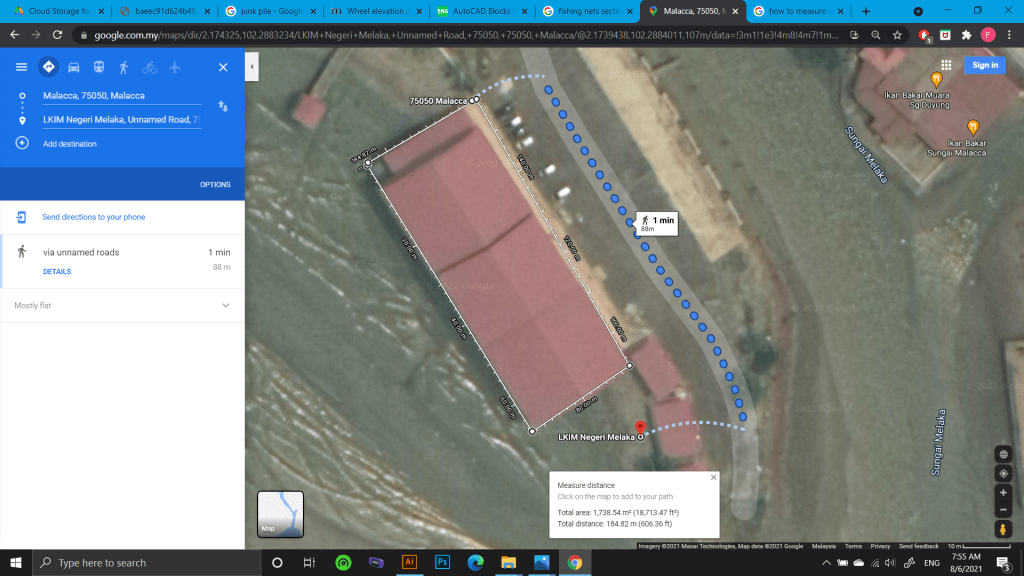
In order to find out more about programming, I have researched some cases and have found a similar project near the Melaka River in Kuala Perlis.
The activities of the fishermen and the community were heavily observed from site visits.
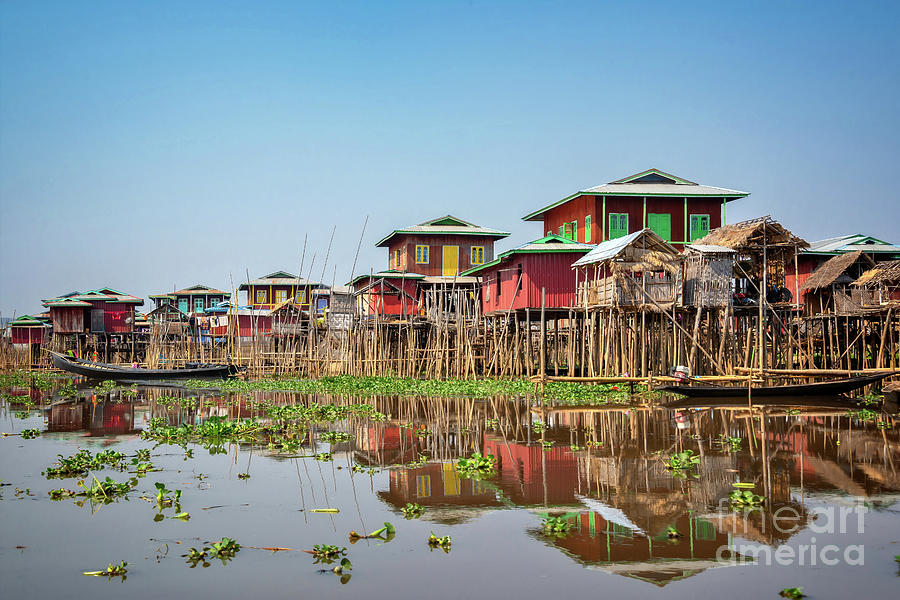
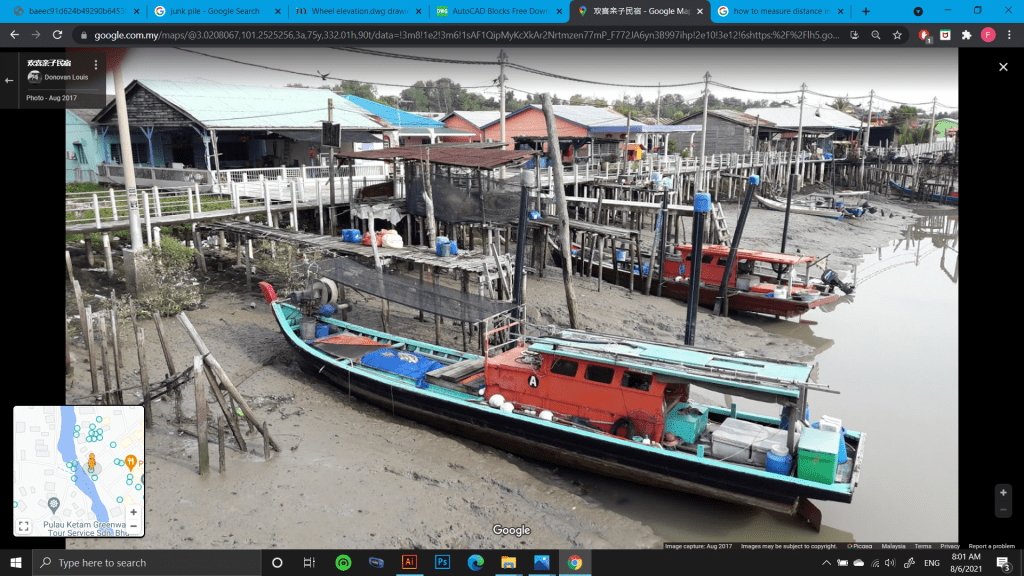
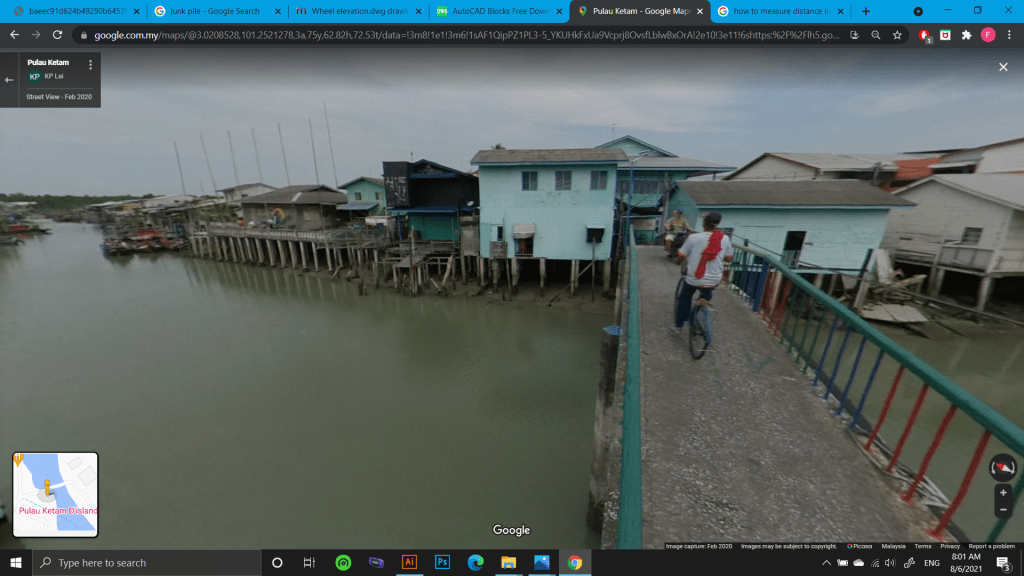
A large portion of the population of Kuala Perlis is engaged in fishing and agricultures. Ironically, the fishing community in Kuala Perlis is observed to be living in a squalid condition. Their houses are built on stilt and most are occupying state land without any ownership granted to them. Most of the houses are of temporary construction without proper infrastructures. Physically, the site lies about a metre lower than the main road level and generally is no proper infrastructure and sanitary facilities.
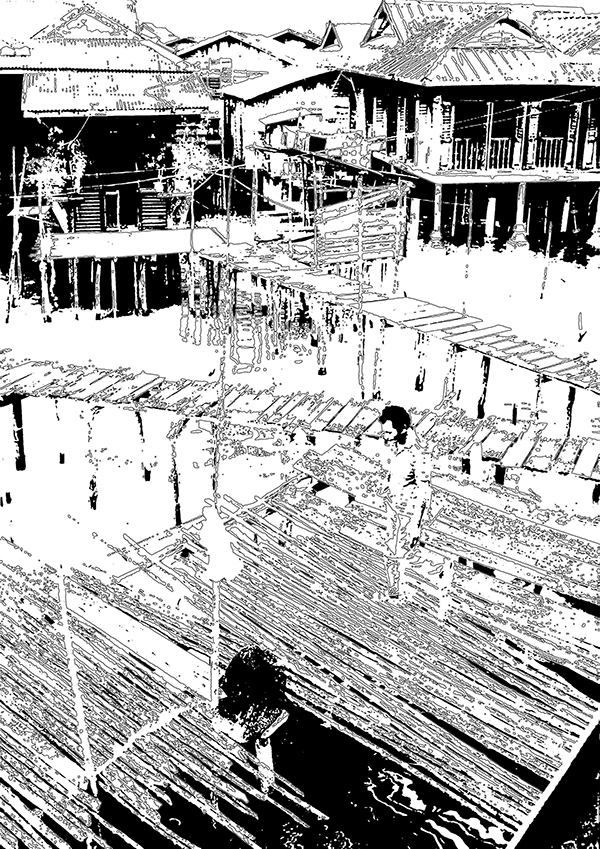
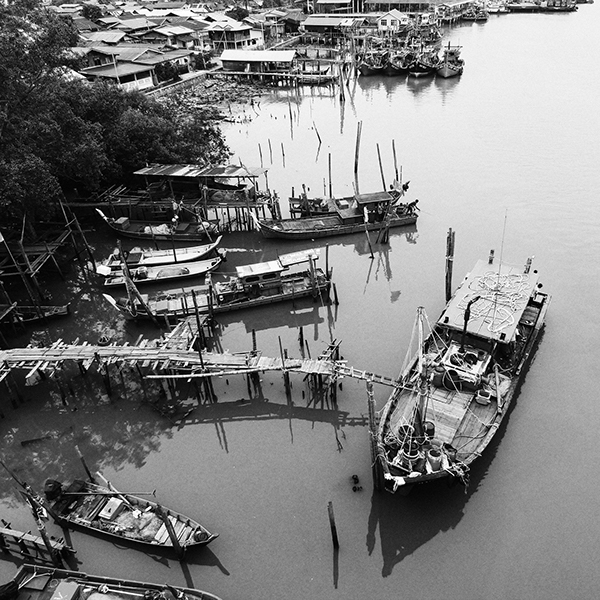
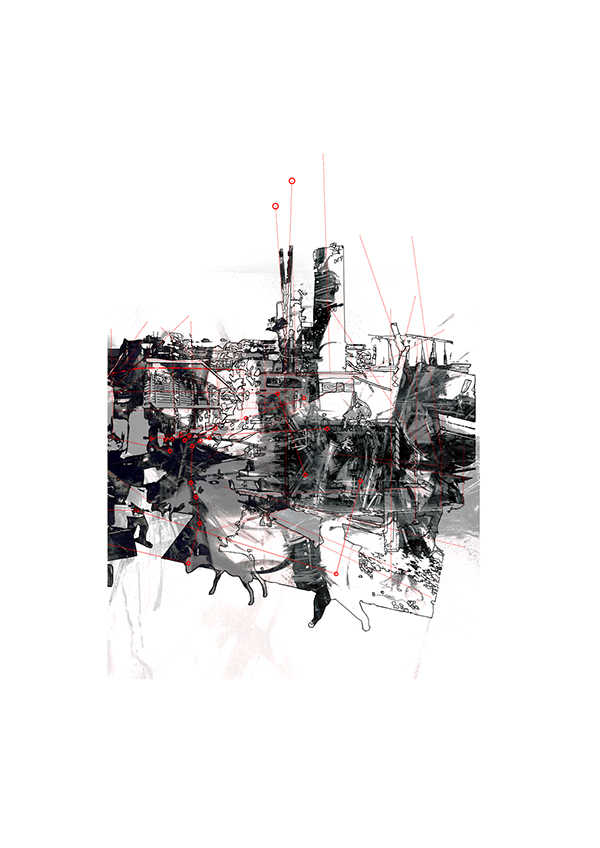
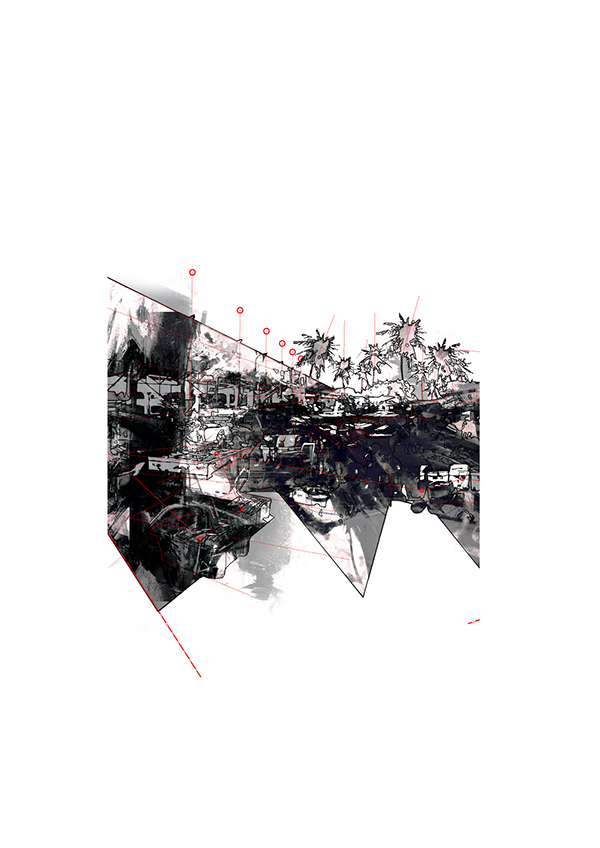
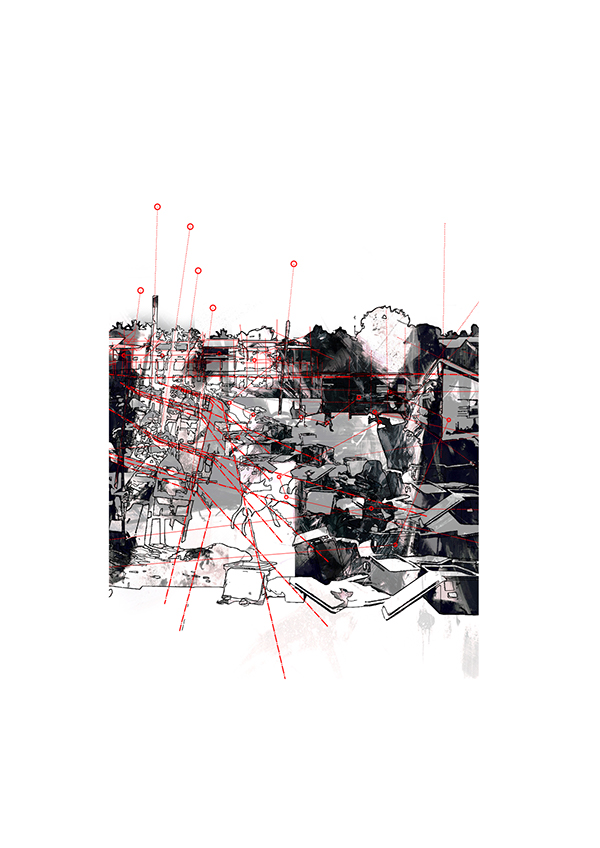
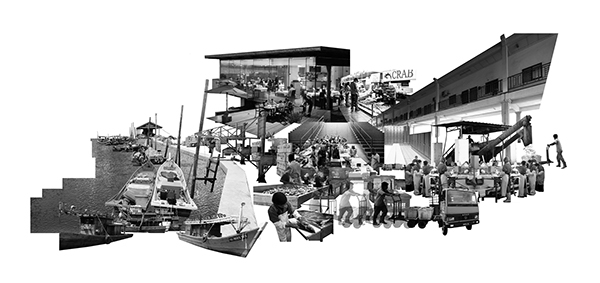
With the state of the poor structures and roads, if there are improvements to it then the activity of selling fish directly in these riverside areas will increase and makes the fishermens lives better. Here are some pictures of the programming in the village.
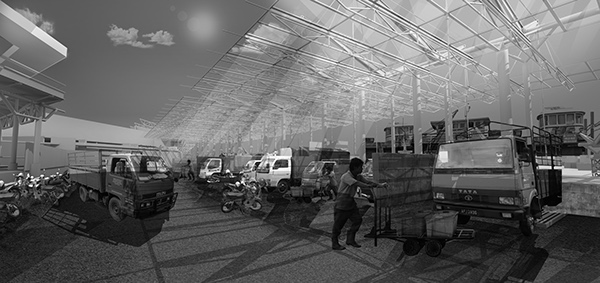
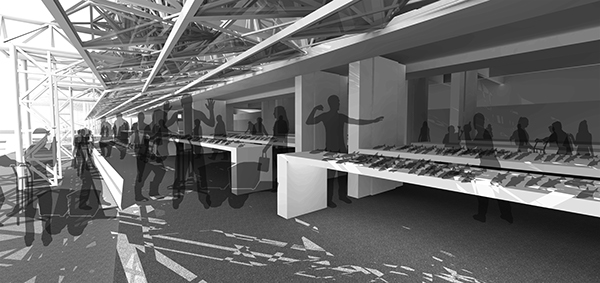
After the catches, the fresh fish is transfered and collected according to the type. Some are stored in the cold box.The retailers/ whosalers will come and bargain at the auction hall to get good price of the fish. Lorries are used to transport the fish.The fish then are sold at the local market.
In accordance to the relationship between land and sea,The jetties are found repetitive & located between land and sea. The houses are located near the jetty, the fishermen use the jetty to go fishing, park their boat and tie to the pile/piers
While observing the houses, Their houses are of varying sizes and shapes Their houses are built on stilt and have no security from flood. Some of the house are built on ground vehicles cannot easily pass. During monsoon season they focus on building boats and similar equipments.
Issues in this area
Issues Related To Trawl Fisheries:
There are, however, a number of issues and challenges related to the capture fisheries sector. Major issues related to the trawler fisheries are listed below, but not in order or significance or priority.
a) Overcapacity:
It is suspected that there is overcapacity in the trawl fisheries, especially in the inshore waters, i.e. Less than 30 nautical miles from shore. A number of C2 trawlers are currently having difficulty to meet their requirement of landing a minimum of 250 tons annually, as a condition for renewing their license. However, there has not been any recent scientific assessments to ascertain the degree of overcapacity objectively.
b) Growth overfishing and trash fish:
Trawlers tend to land a high proportion of trash fish, which includes juveniles of commercially important species. The trash fish component of trawler landings are usually used in the fish meal industry, aquaculture and value added products such as surimi, thus creating a demand for this category of catch.
PROGRAMMING CONTINUATION
SITE PROPOSALS
KUALA PERLIS
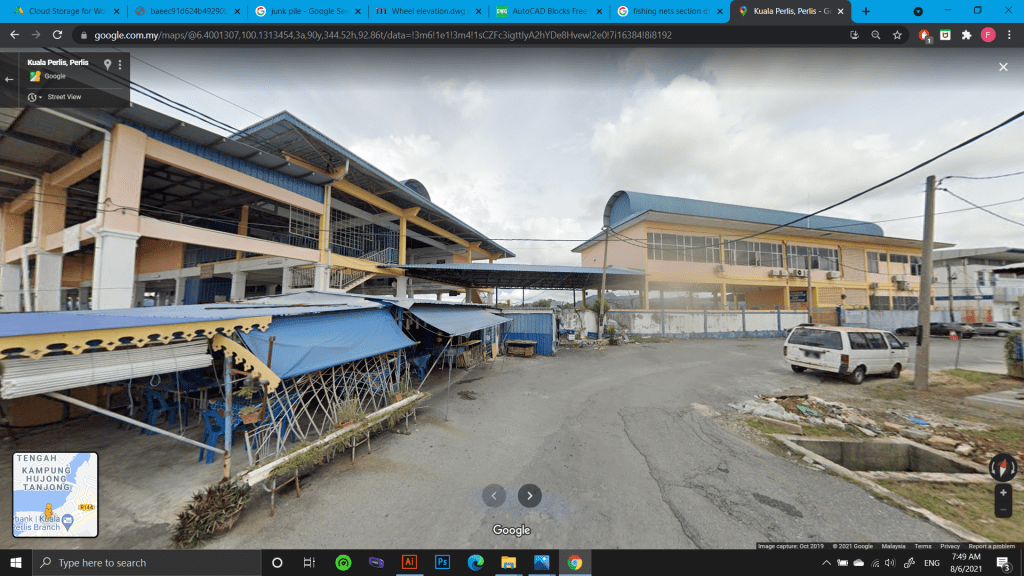
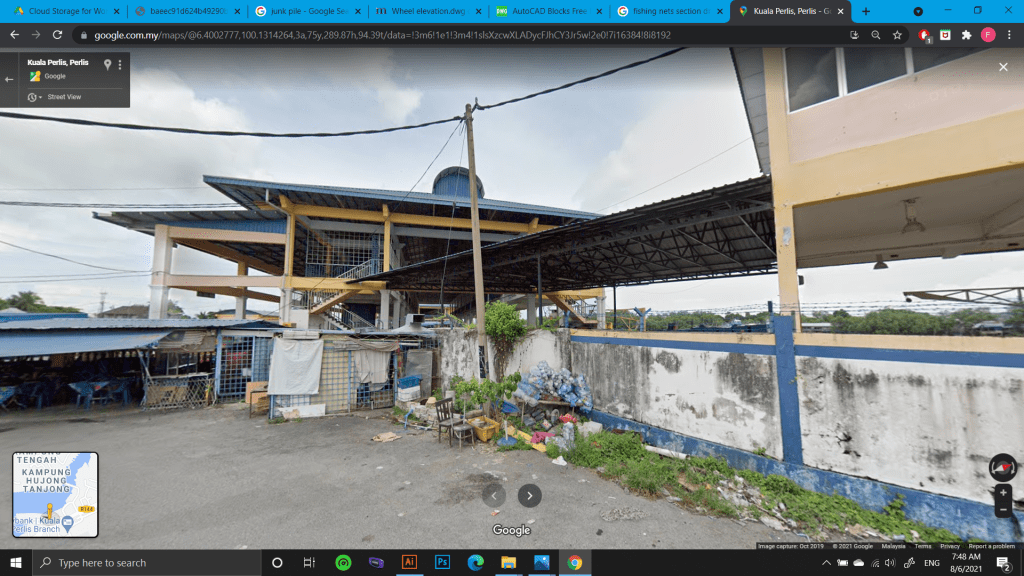
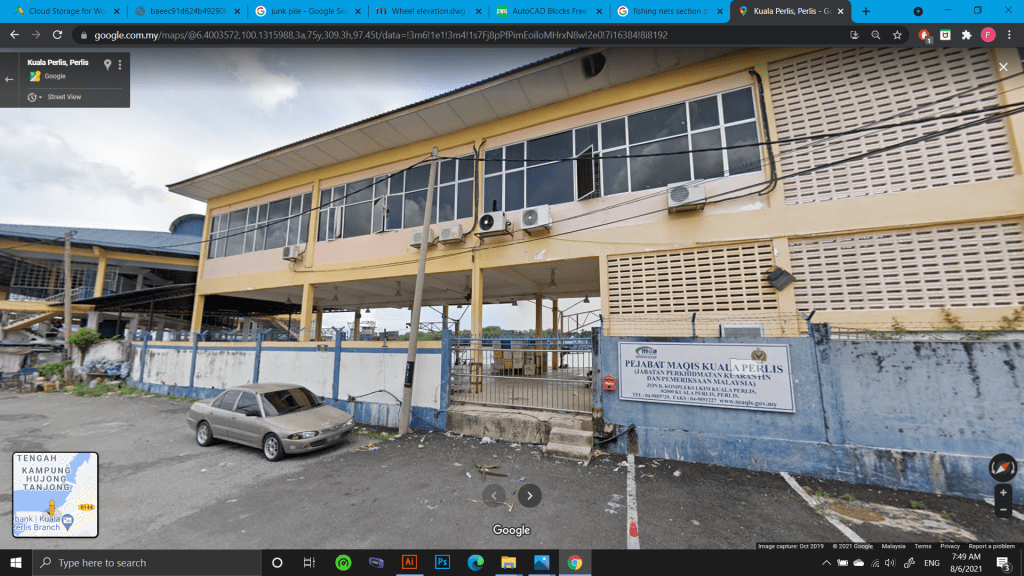
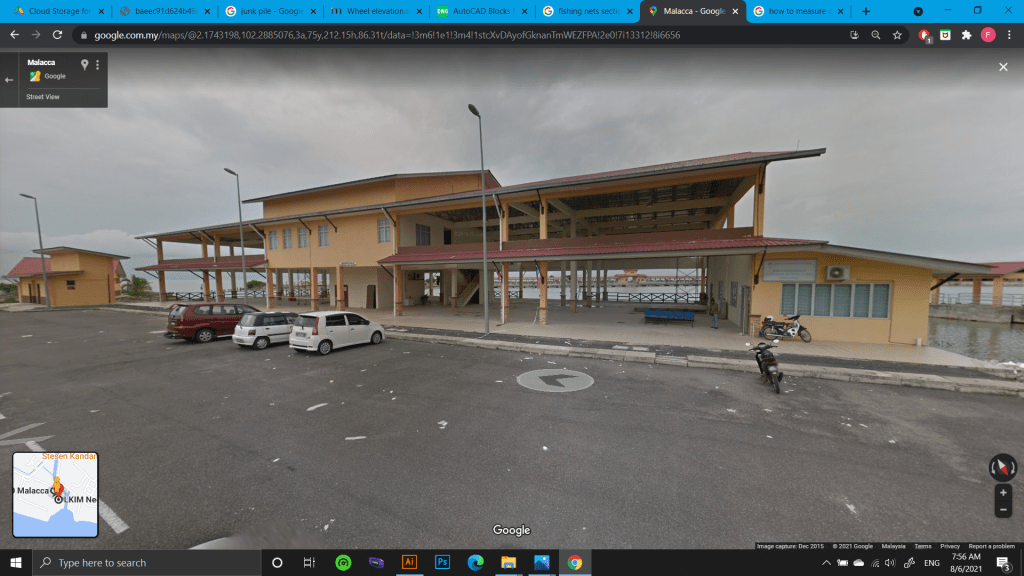
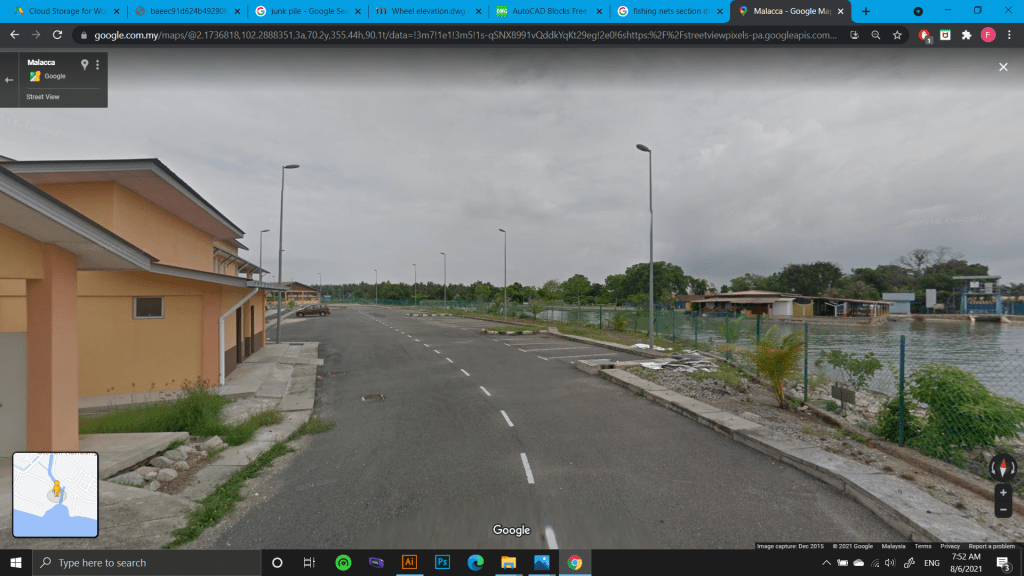
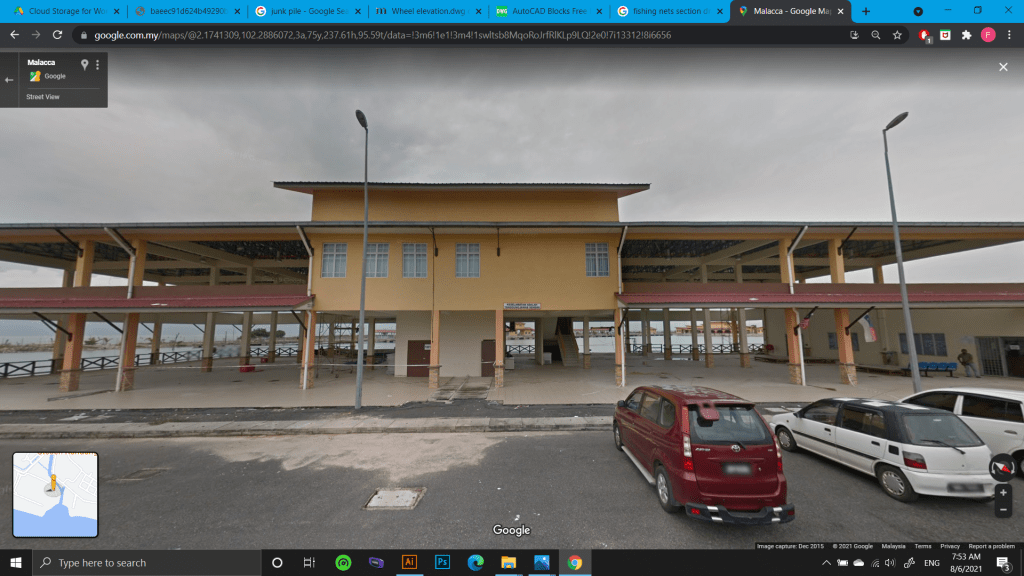
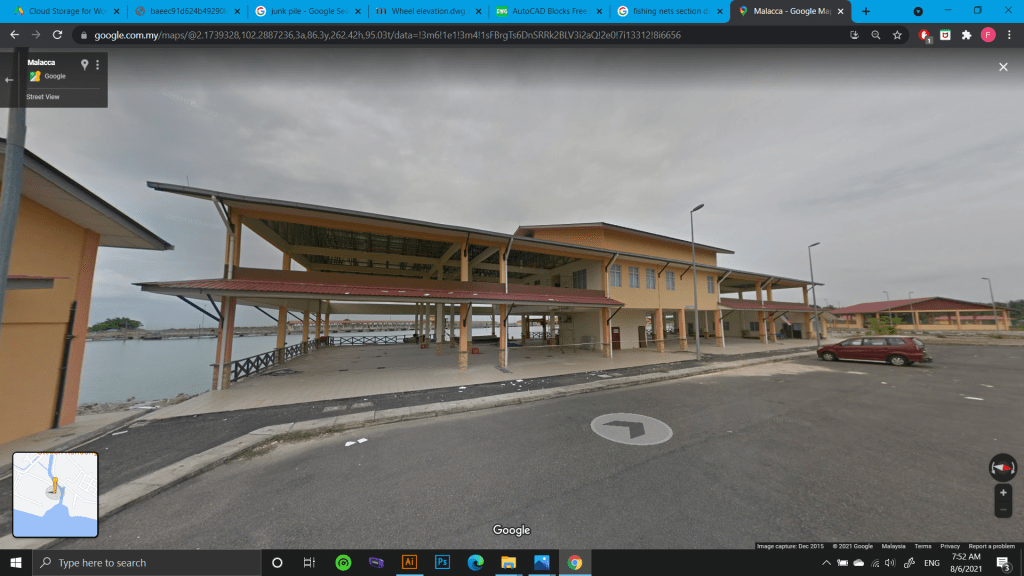
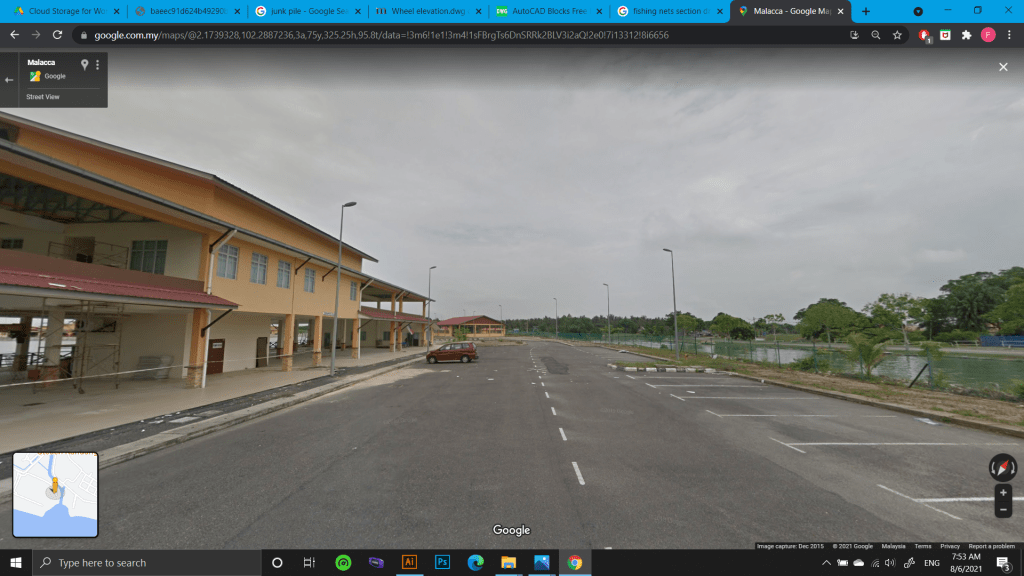
LKIM MELACCA RIVERSIDE
PULAU KETAM

 ARC 60708 ADVANCED INTERIOR ARCHITECTURE DESIGN I