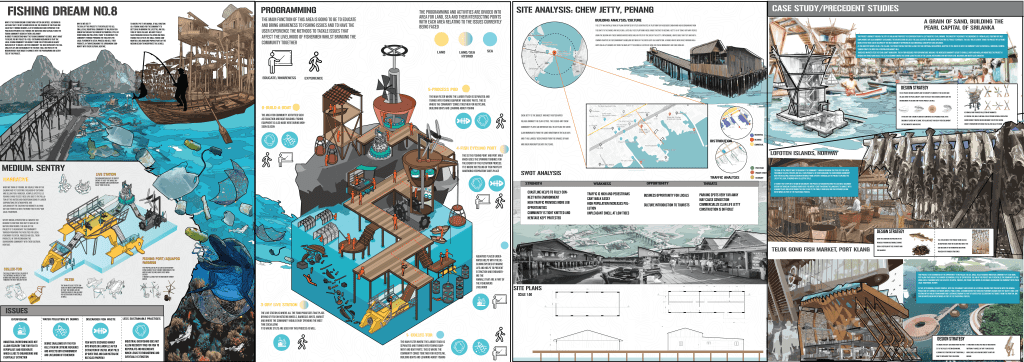
Above is a preview of the combined boards. Each board has important information represented of the theme and topic of the project itself which is the fishing dream.
Above links show the final boards for the presentation.
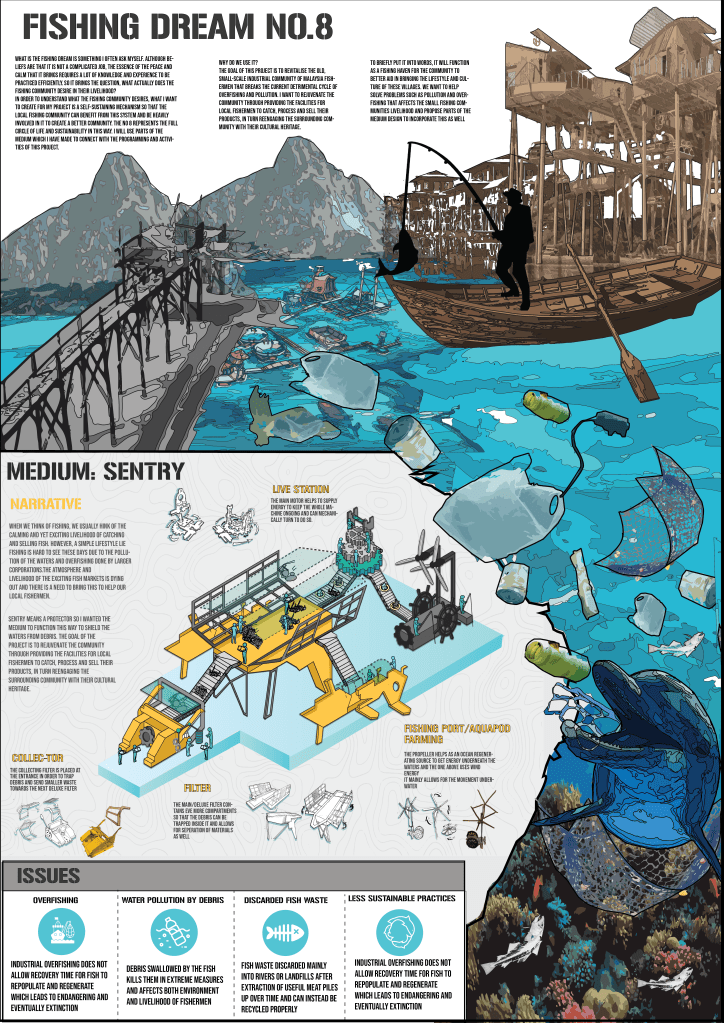
BOARD 1
This boards explains the main story and goals behind this project as well as the issues we are facing and trying to solve such as pollution and overfishing. It also introduces the idea of the medium with its functions into the project.
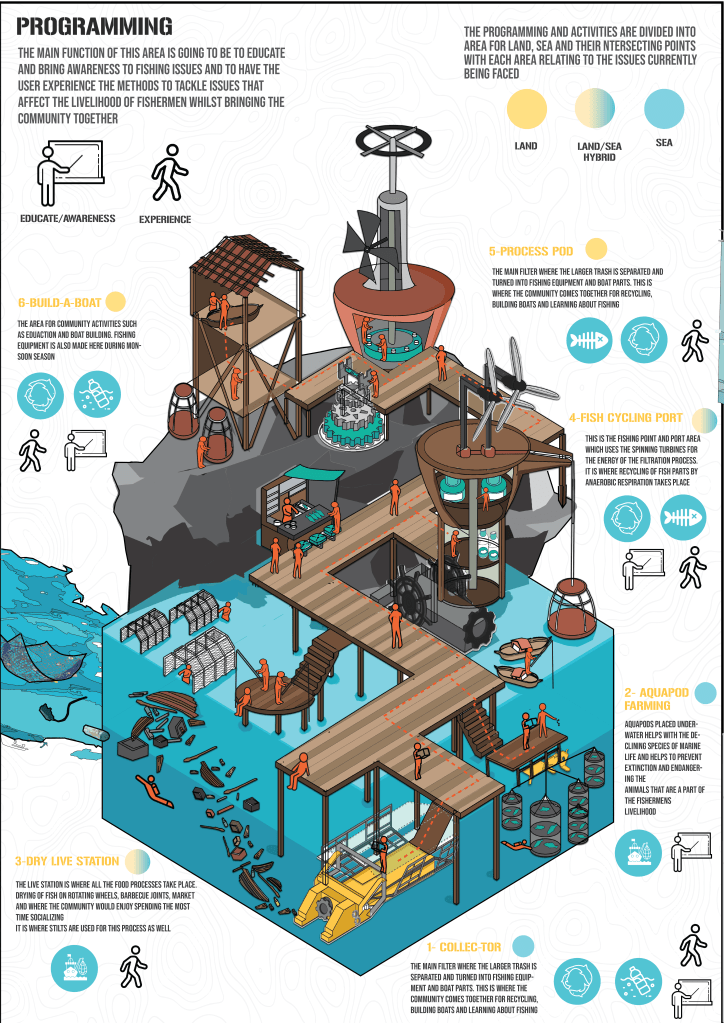
BOARD 2
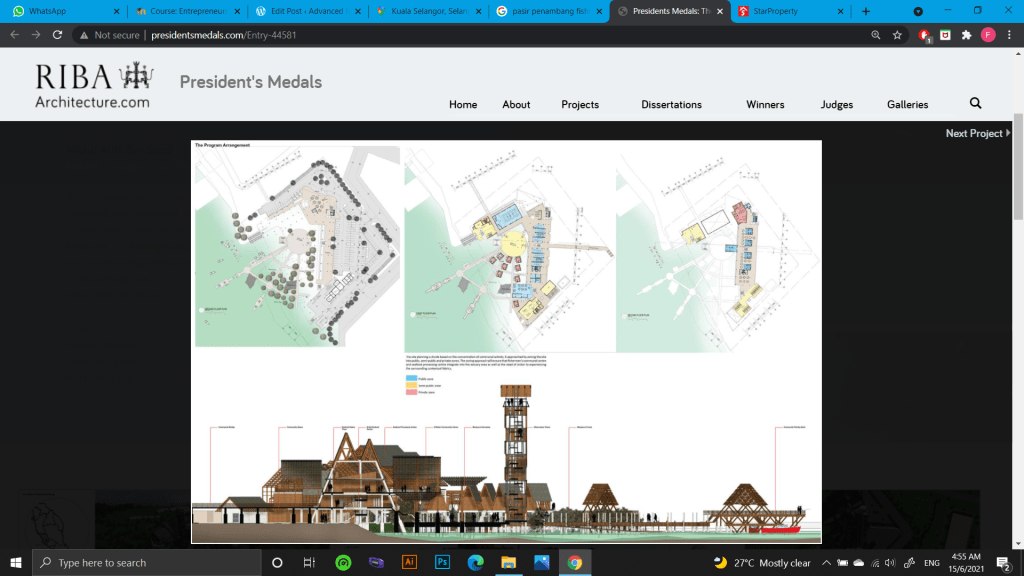
This board shows the programming and user experience of being a part of the areas and also becoming more educated on the aspects of the issues. The area is divided into land, sea and a hybrid of inbetween where activities take place accordingly.
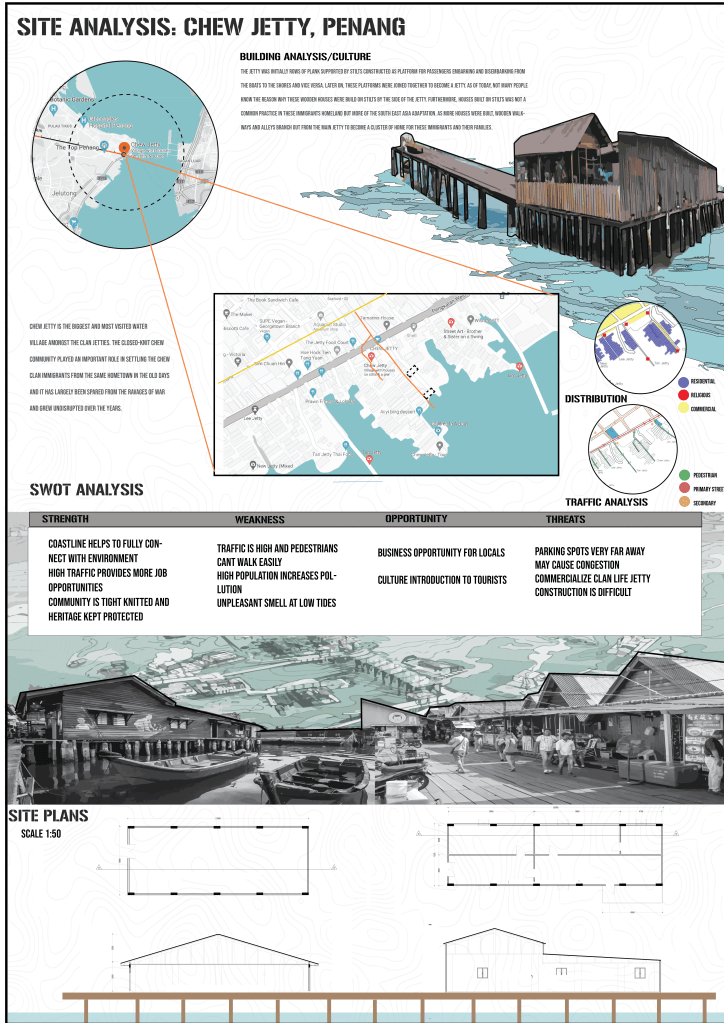
BOARD 3
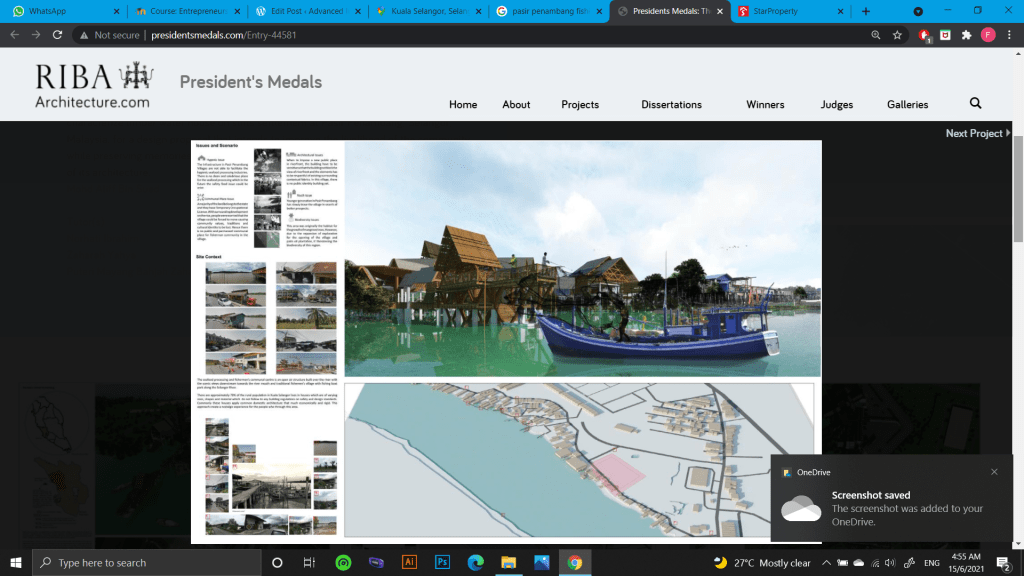
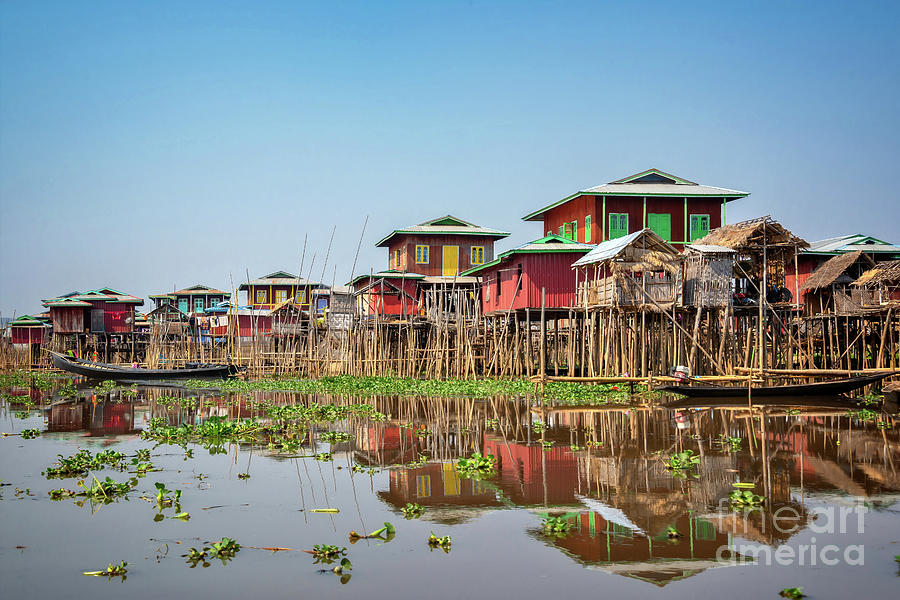
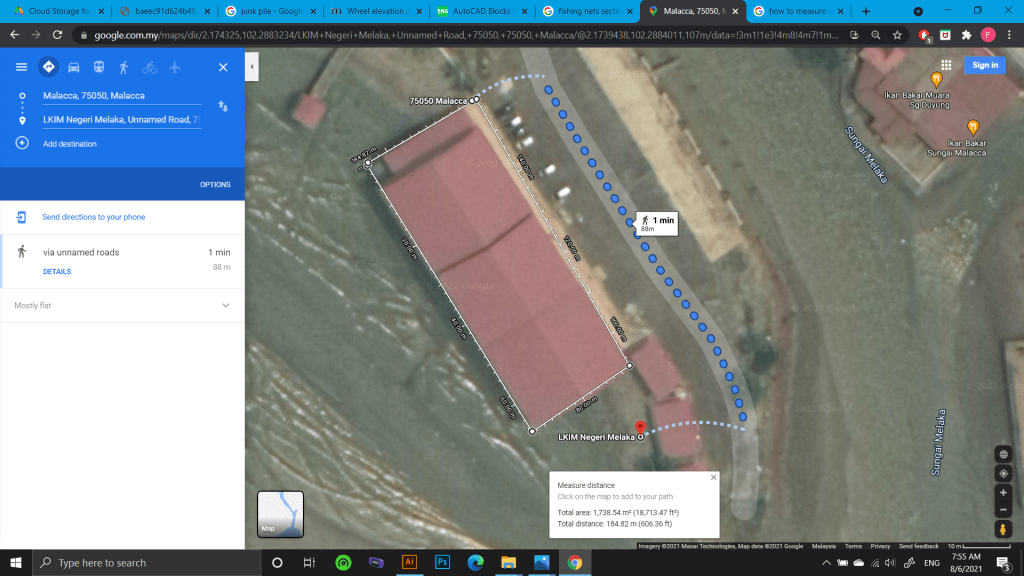
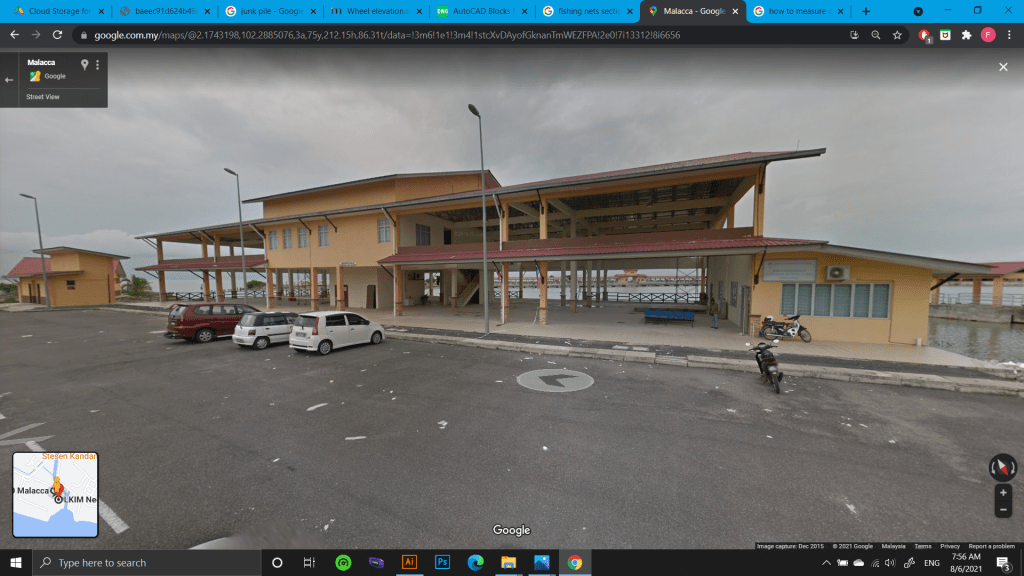
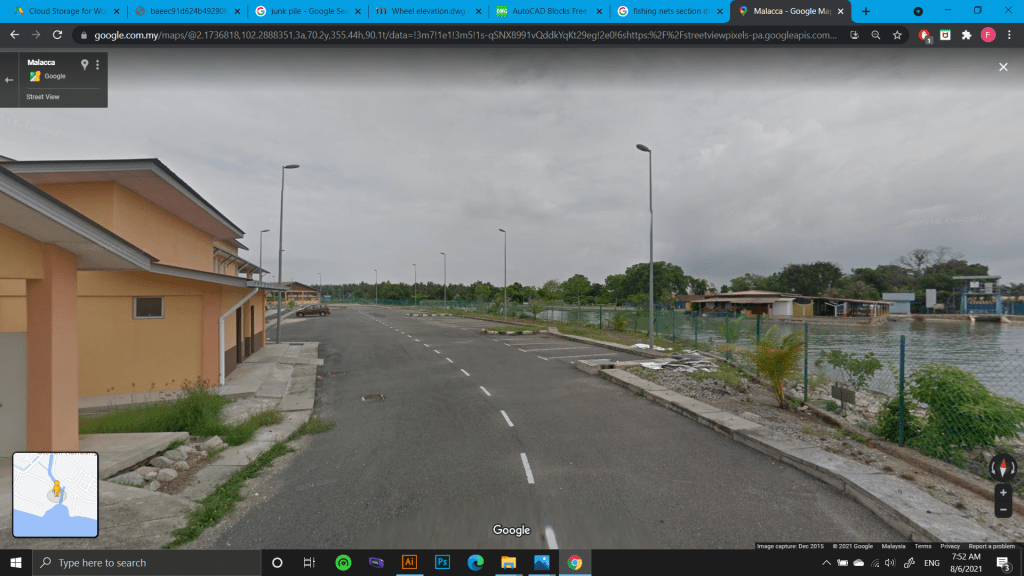
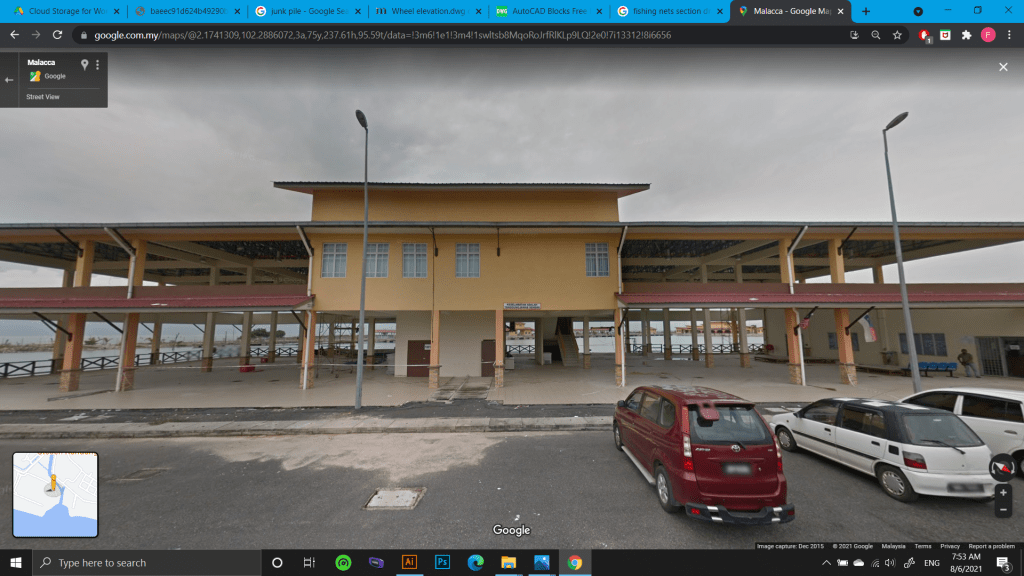
This board shows the final site selection. I chose Chew Jetty in Penang as it has an environment of stilt built houses and strong cultural heritage. For the site plans, it was difficult to find them so I took the measurements on google maps and based the interior on pictures I had seen. I chose two houses as it is not allowed for multiple floors there.
BOARD 4
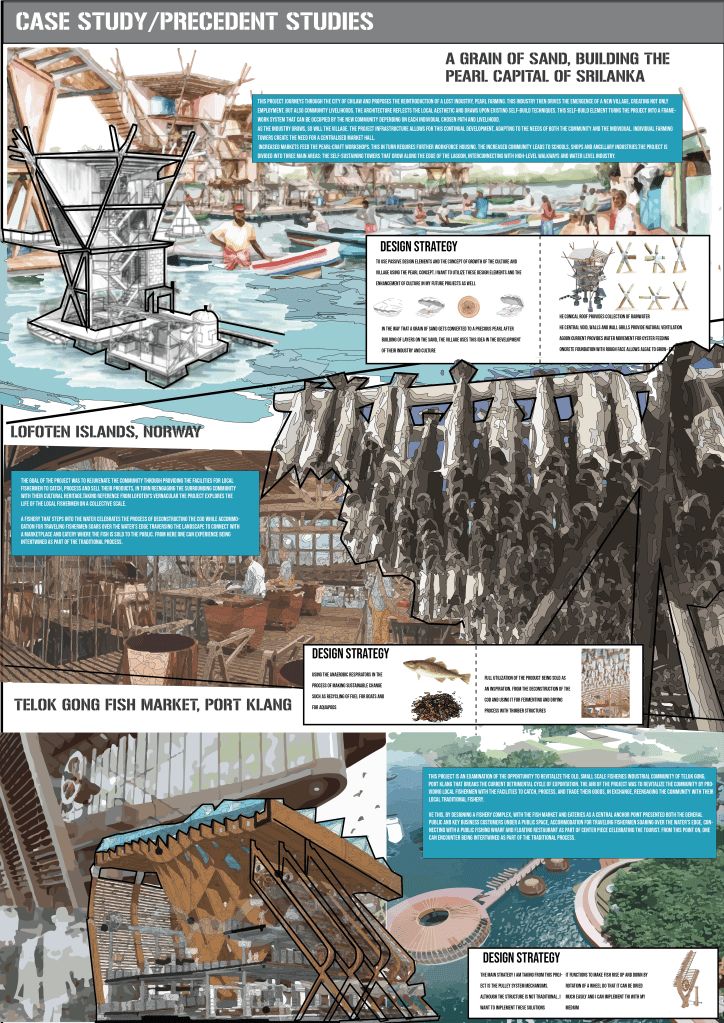
This board shows the precedent studies for all the references used in programming and ideation.
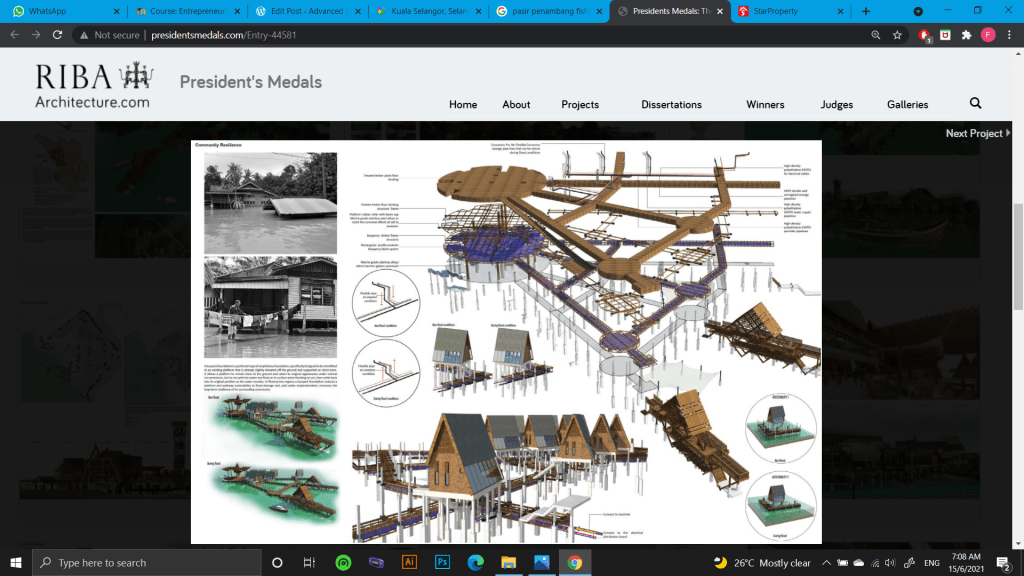
Pasir Penambang is a fishing village with water houses on stilts which was made in the past to help resolve environmental, economical and social problems. This site is slowly losing the fishing business and local culture so their idea was to rejuvenate it in the form of a catalyst for gaining income for fishermen especially through seafood production and a bit of tourism.
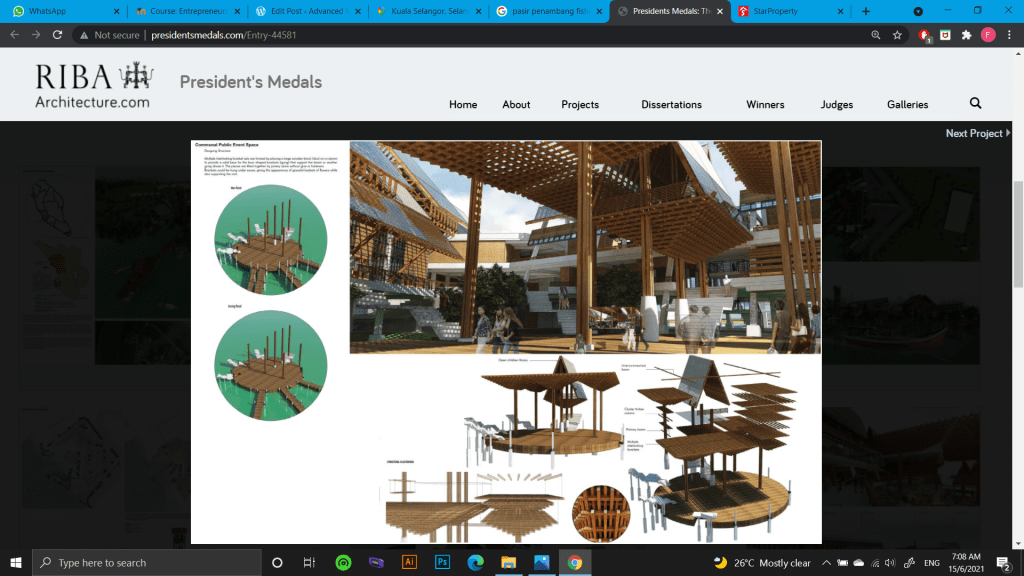
In this project they have used a buoyant foundation is designed to be placed on a platform that is elevated off ground and supported by short piers. When floods occur, it rises and floats on the surface so this prevents the platforms and areas from sinking. This increases RESILIENCE for the COMMUNITY. Beneath he platforms, electricity and sewage pipes sun so it helps the are become more self sufficient for the community.
ISSUES FACED BY FISHING COMMUNITY
-No clean and safe place for seafood processing (not hygienic)
-They have temporary occupational license, so if they have to move the cultural identity will be lost so NO PUBLIC AND PERMANENT COMMUNAL SPACE
-Younger generation going for different jobs
-Since it is located on a mangrove area, expansion projects affect the biodiversity of the marine ecosystem
PROGRAMMING
COMMUNAL SPACE
-administrative spaces
-homestay for locals
-seafood loading area
-dried fish processing area
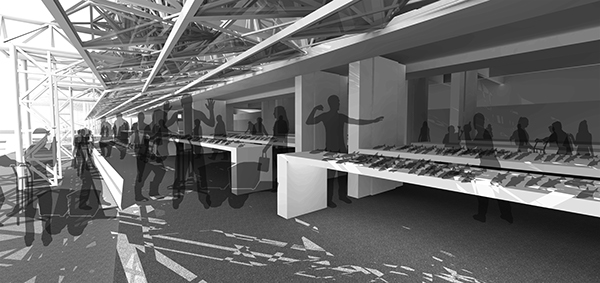
-marketplace
-eatery
-fishermen wharf
-repairing/building warehouse for boats and equipment
-Library and classroom for education
-Waste collection and separation zone
How the spaces work
-Resilient community space
In flood prone regions, a bouyant system can provide resilience in terms of structure
-SUSTAINABLE MANGROVE RESTORATION
For mangrove systems tourists can also be more involved in the income as they can come and enjoy the view. Mangroves naturally provide ecosystem for marine life and provides coastline protection,
SUSTAINIBILITY CONSTRUCTION
Pollution can affect both surface water and ground water so sheet piling maybe with steel which allows anclosed areas to be pumped out.
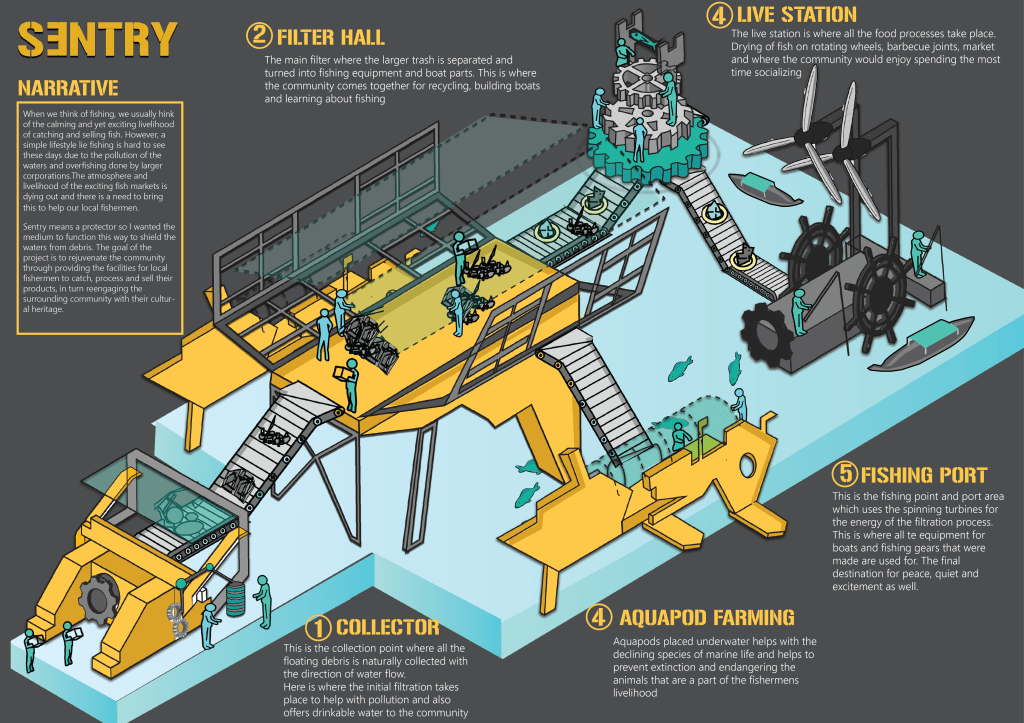
The goal of this project is to revitalise the old, small scale industrial community of Malaysia fishermen that breaks the current detrimental cycle of overfishing and pollution. I want to rejuvenate the community through providing the facilities for local fishermen to catch, process and sell their products, in turn reengaging the surrounding community with their cultural heritage.
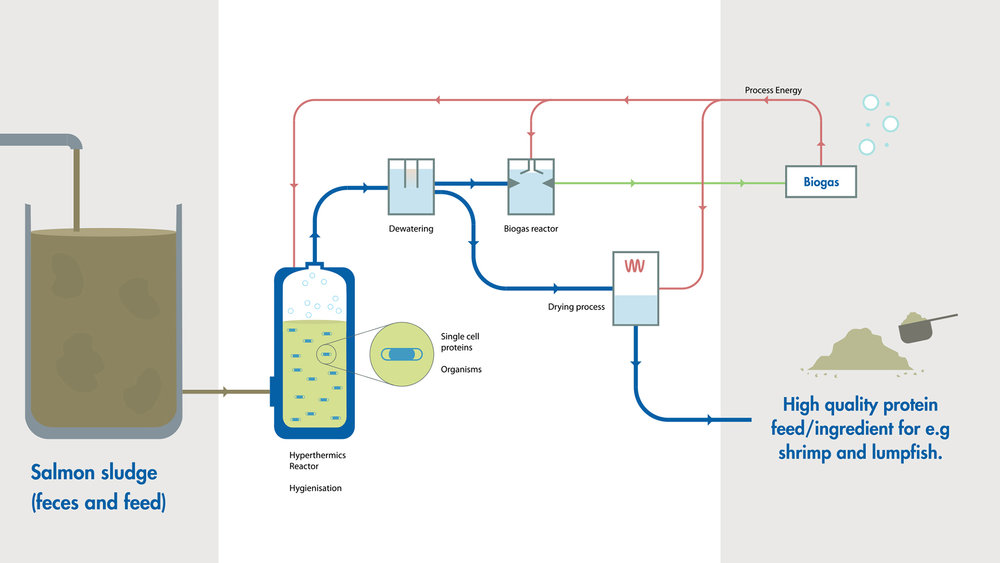
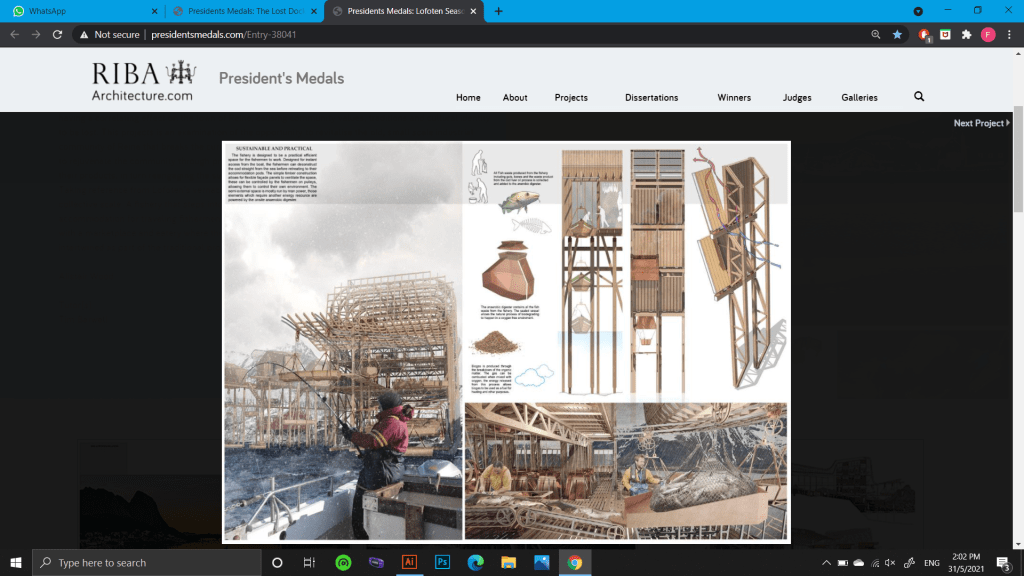
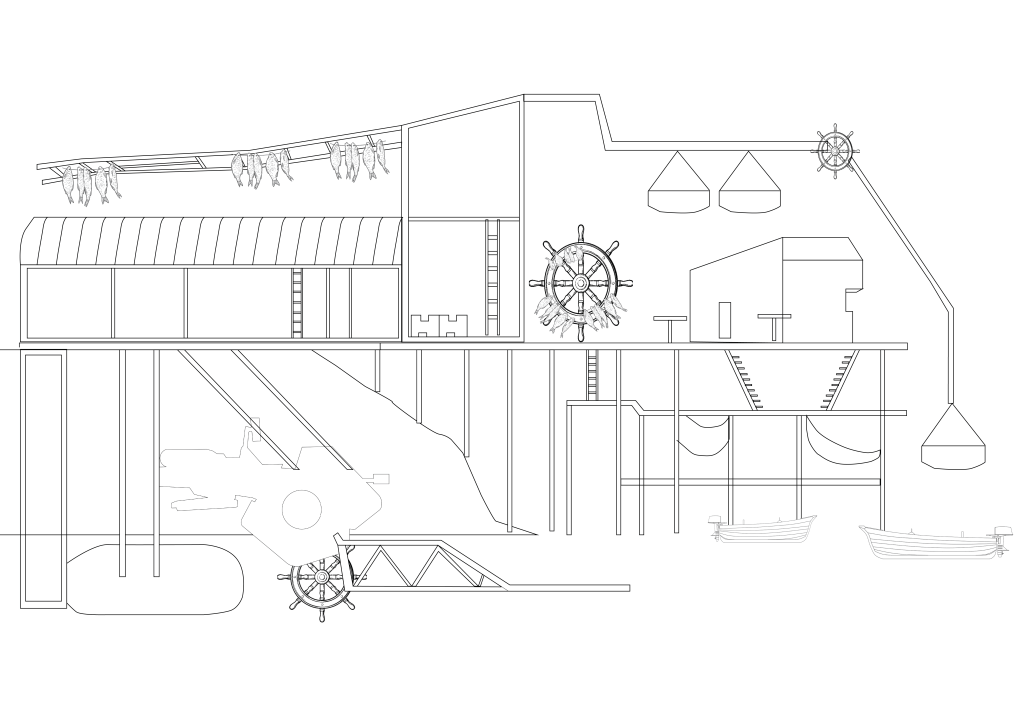
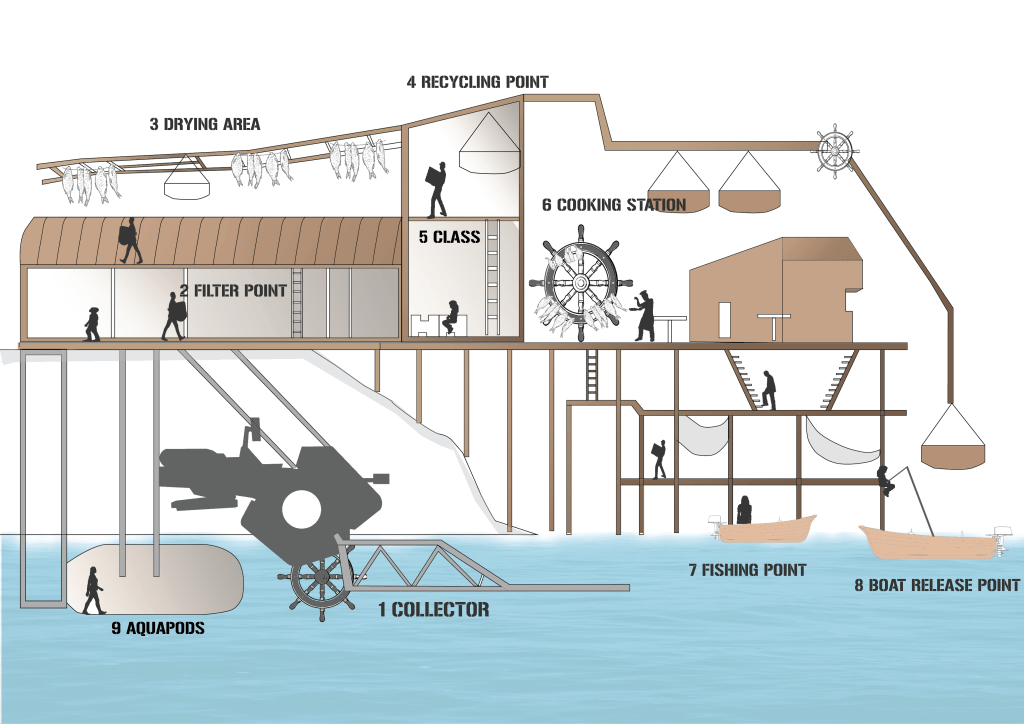
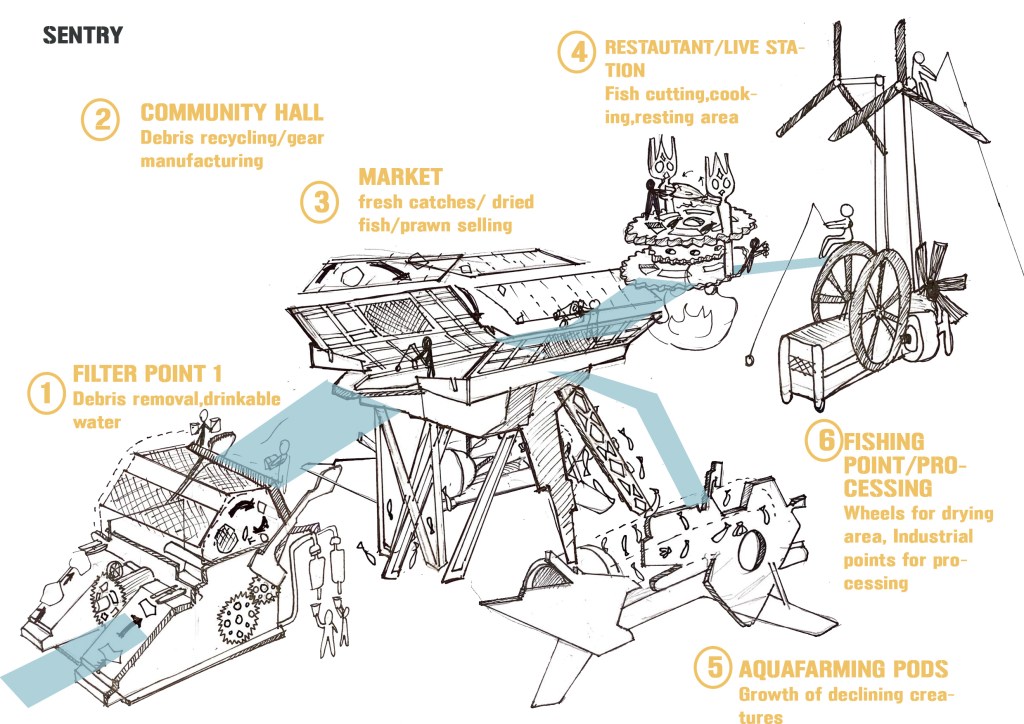
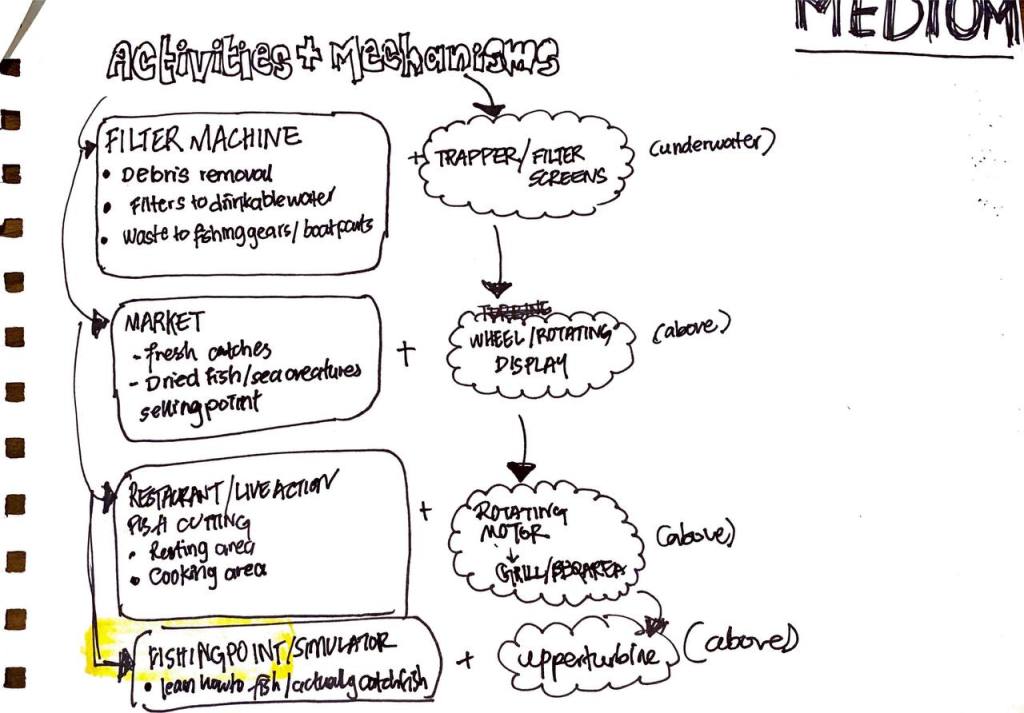
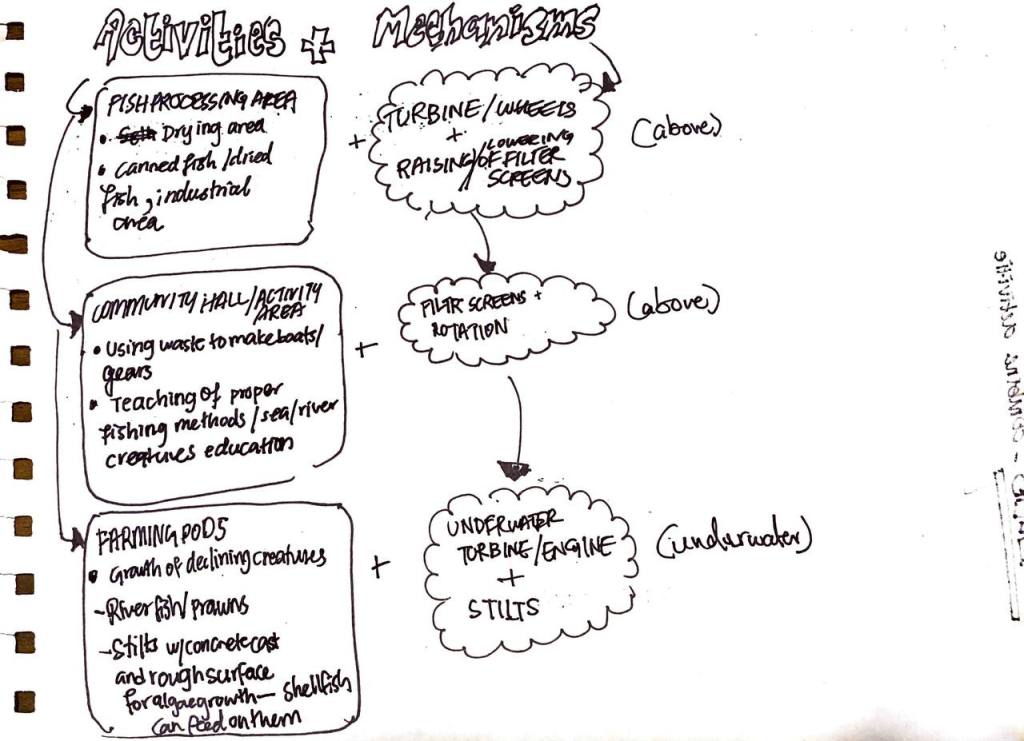
The medium Sentry would be used in this way to aid in community activities such as drying of fish, processing it into different products and I want there to be a way to use the fish waste to create a form of energy such as biogas which also provides energy for fuel for the boats.
This process can also help with the aquapods as the feed can be obtainable this way. This would make the process self sufficient and help the community to prosper more while being involved in these activities. THe fuel obtained from biogas will help with the costs for the fishermen so that they can continue to do their activities.
Stilts or structures from wood can be used in the drying process of fish. The can be a part of the architectural structure to use as a mechanism such as the medium offers.
FISHING PODS/LIVING AREA
The fishermen accommodation can be divided into individual pods and the boats could be accessed below
Fishing Dream No 8
What is the fishing dream is something I often ask myself. Although beliefs are that it is not a complicated job, the essence of the peace and calm that it brings requires a lot of knowledge and experience to be practiced efficiently. So it brings the question, what actually does the fishing community desire in their livelihood?
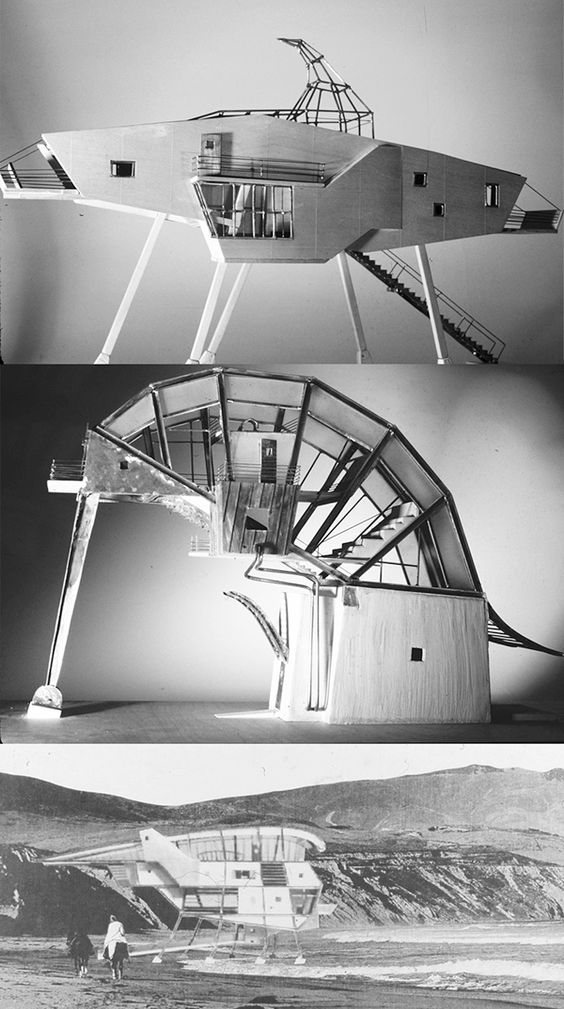
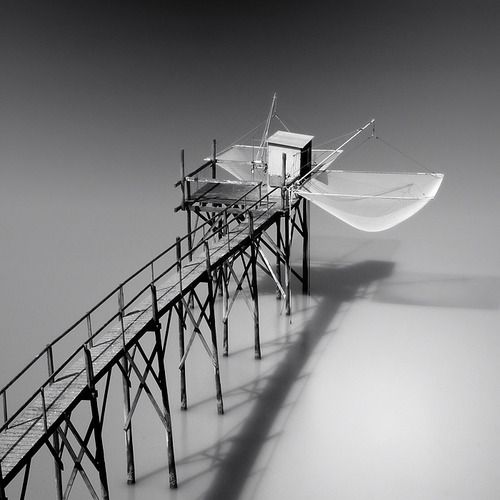
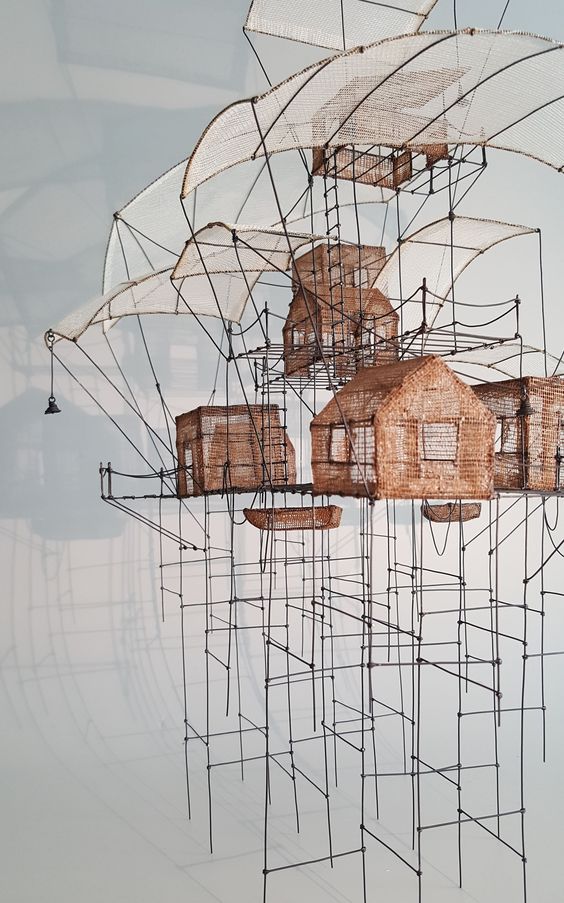
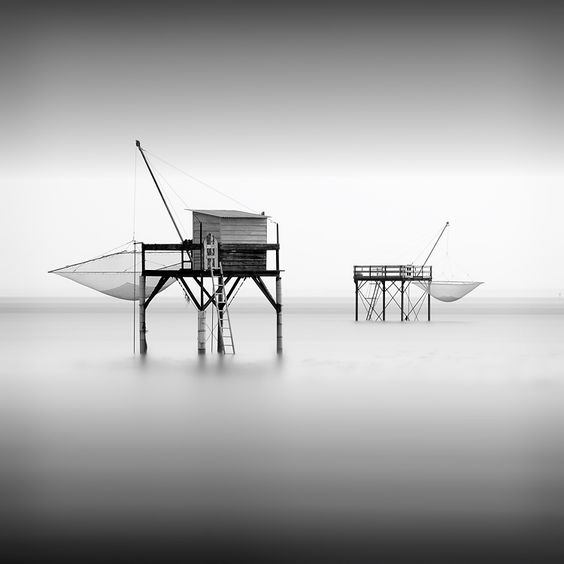
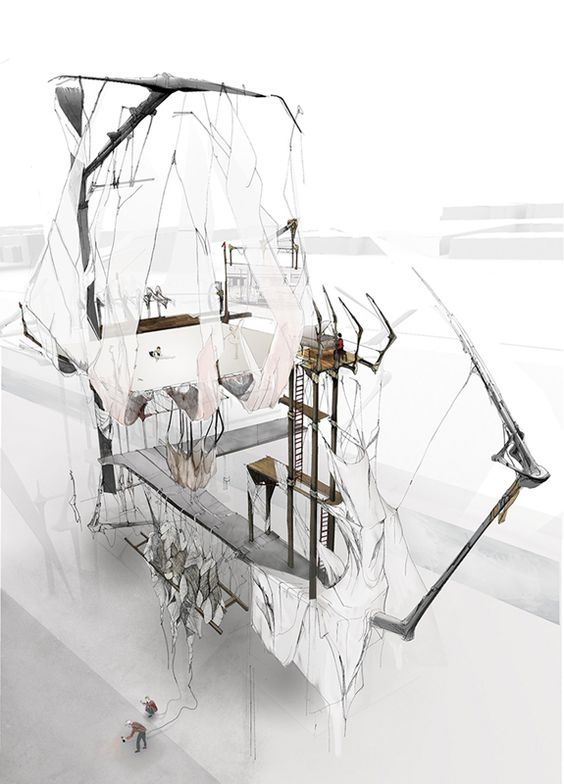
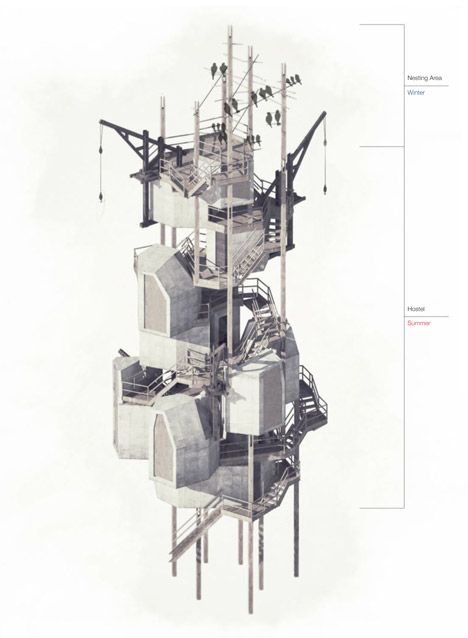
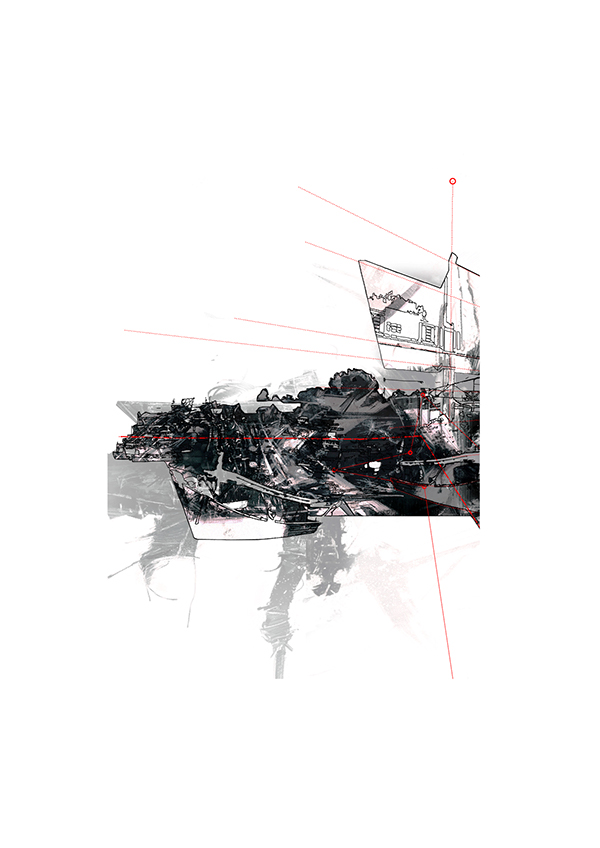
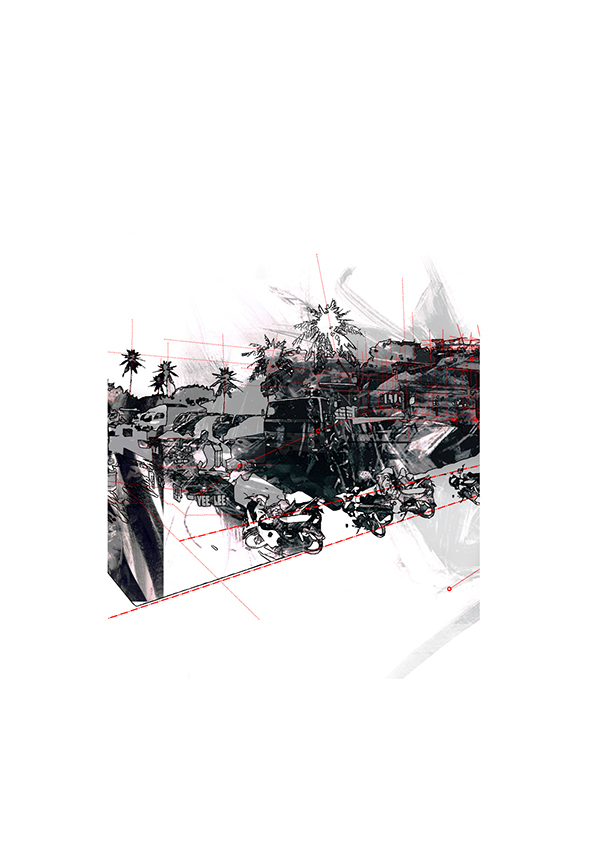
What I want to create for my project is a self sustaining mechanism so that the local fishing community can benefit from this system and be heavily involved in it to create a better community. The No 8 represents the full circle of life and sustainability in this way. Here are some examples of concepts I want it to look like
General livelihood consists like this
1. Fishing communities are generally closely knit communities.
2. They needs space for their equipment, boats, nets, cold storage facilities and workshop.
3. Fishing communities traditionally have always been in close proximity to the sea so that they have enough space to attend to their nets.
4. Because of the close proximity to the sea issues relating to ecology/climate responsive design/disaster management naturally have considerable importance.
4. They may need space to sell their catch. Not if they take it to the Harbour. Then storage and vehicular circulation has to be designed accordingly.
5. Some special attention needs to be taken for waste/drain management and hygiene.
6. Men are generally away in the seas for long time. So women and children tend to involve in some income generation activities.
ACTIVITIES
-Trash collection
-Building of boats and equipment
-Auctions/ Selling of fish
Recycling of fish parts
-Aquafarming: Growth of endangered/needed fish/shrimp
-Line fishing, trawling
EXAMPLES; LOFOTEN ISLANDS
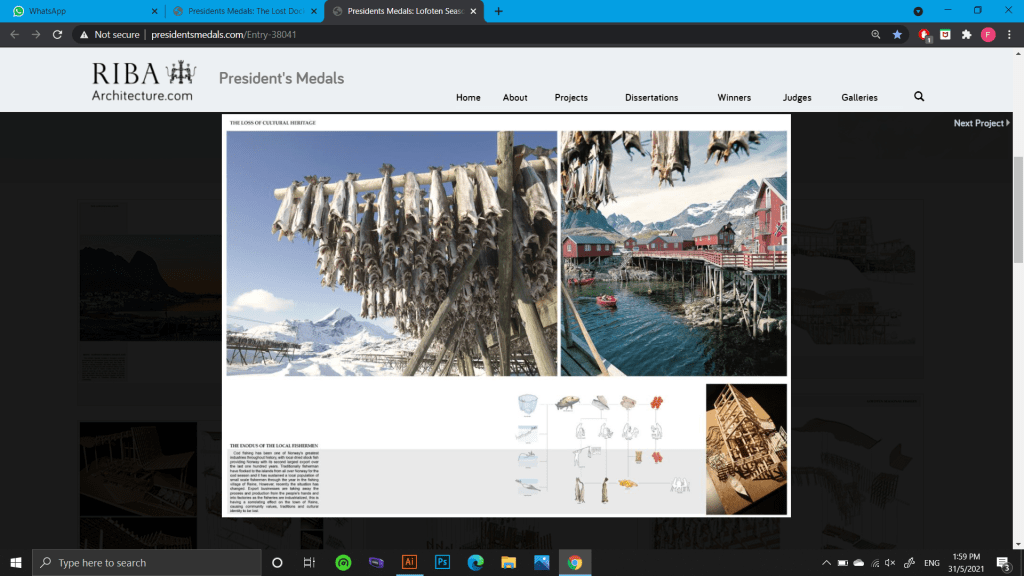
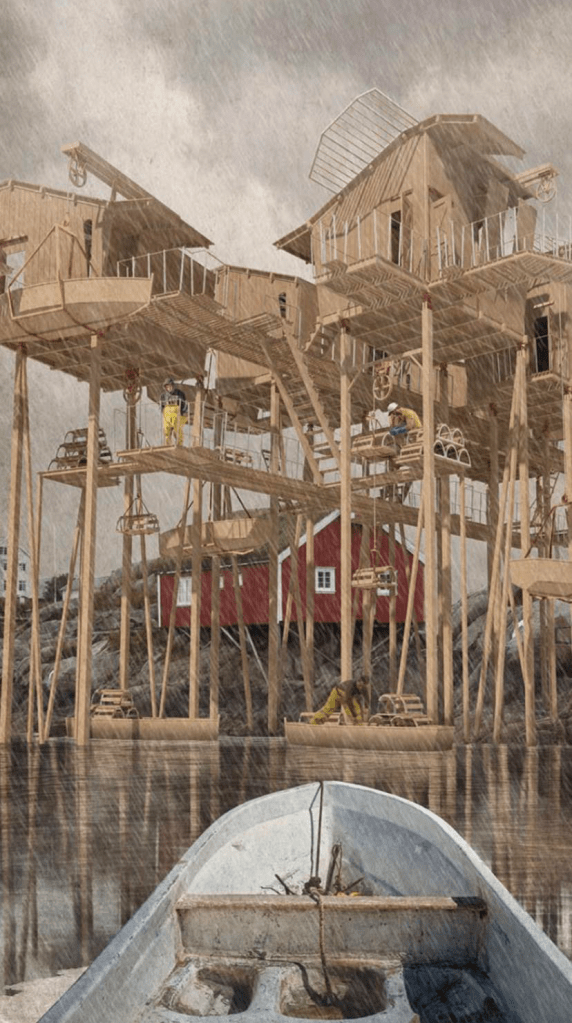
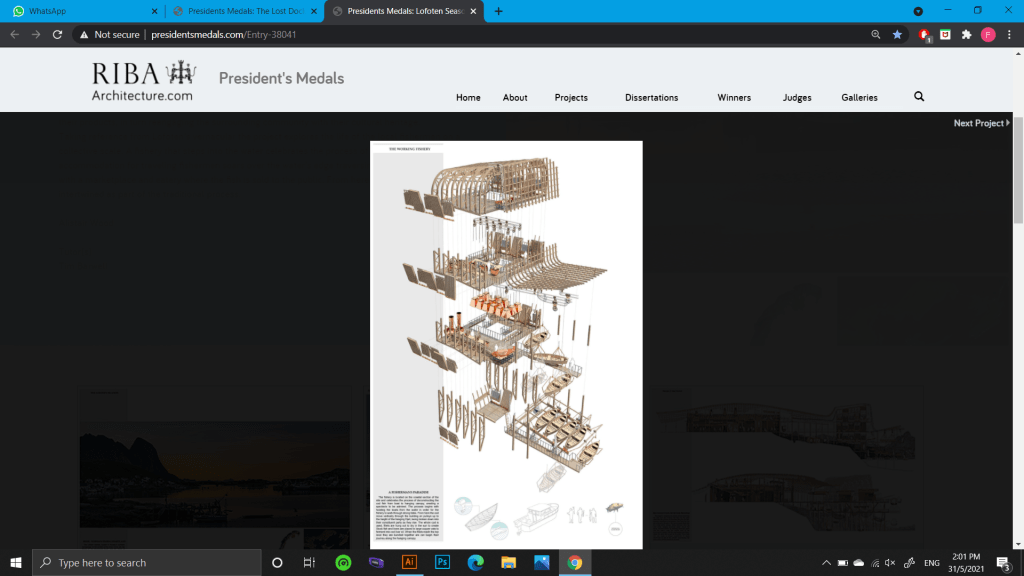
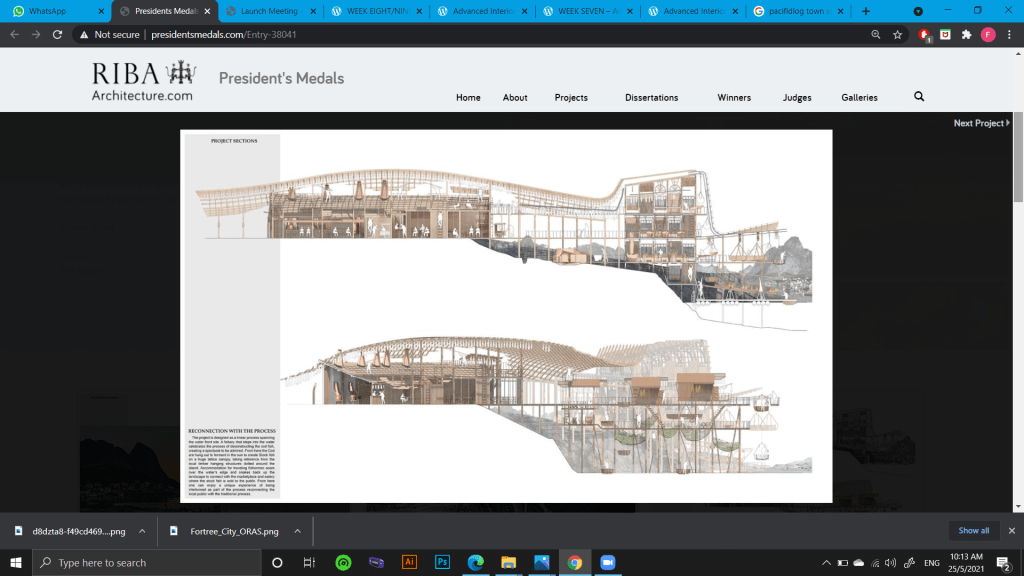
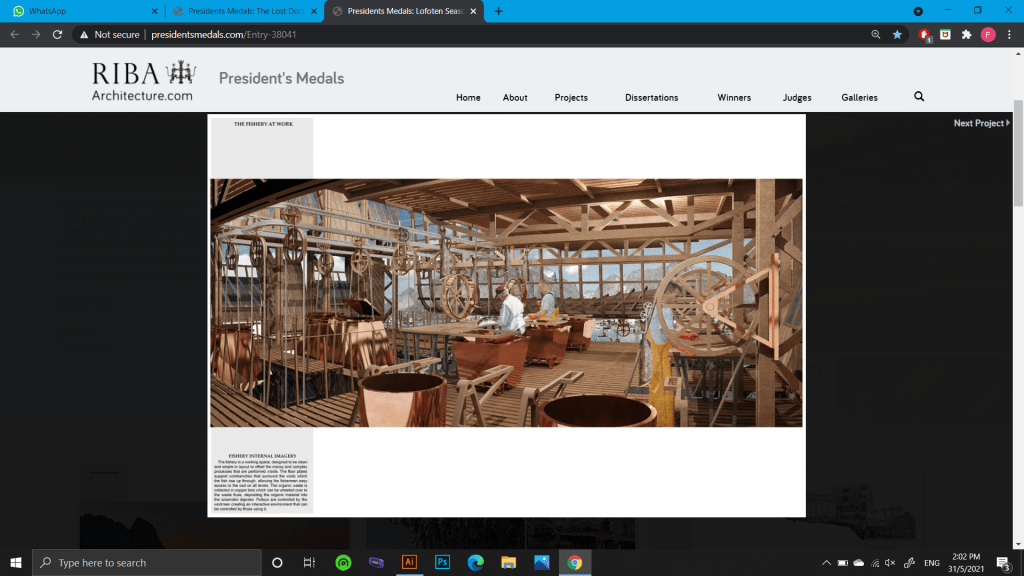
The main production of dried fish occured in this area in Norway but due to industrialization and modernization, the culture is being lost. This project celebrates the deconstruction of codfish from fermentation and drying using the timber structures along with accommodation for the fishermen. The accommodation runs along the water body which also connects the marketplace and eatery where stock is sold.
The fishery is over the coastal zone, the connection points being eateries and markets and this connects the industrial part on the land area. So public can connect with both areas. THe process of cod fish usage is started from the water and hoisting the boats in order for fihsery to work through strong tides. From here as it rises, cod is broken down into more parts and the end product at the top of the lattice. It also uses copper vats to ferment into cod liver oil.
Fishermen deconstruct cod straight from the sea and the pulleys can carry it up using energy made from biogas.
KUALA PERLIS
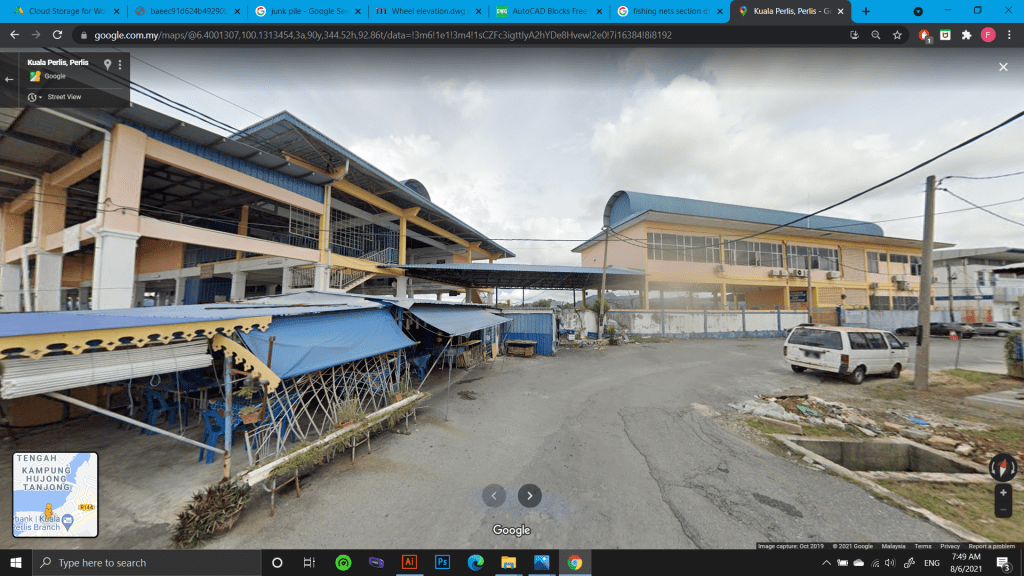
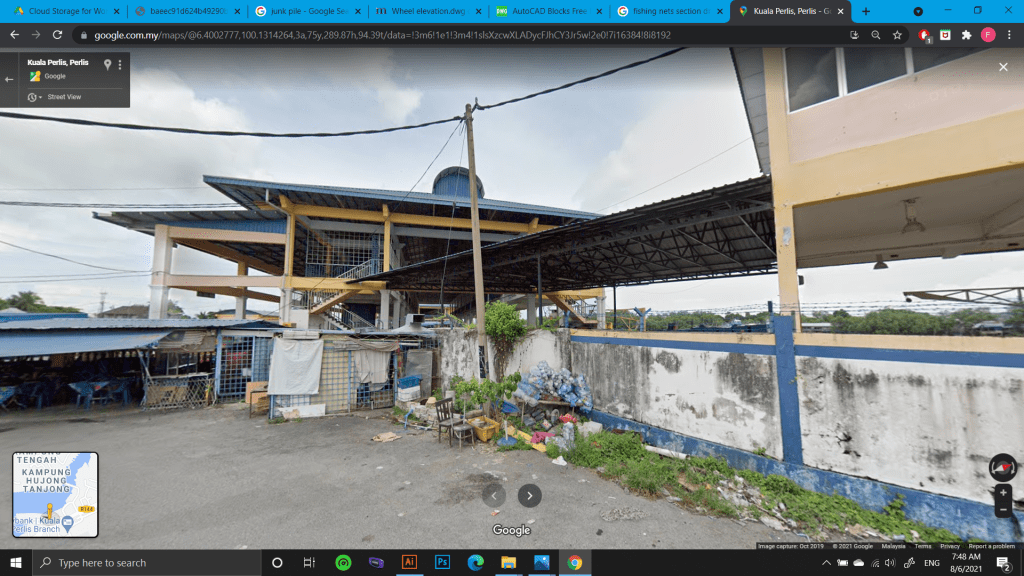
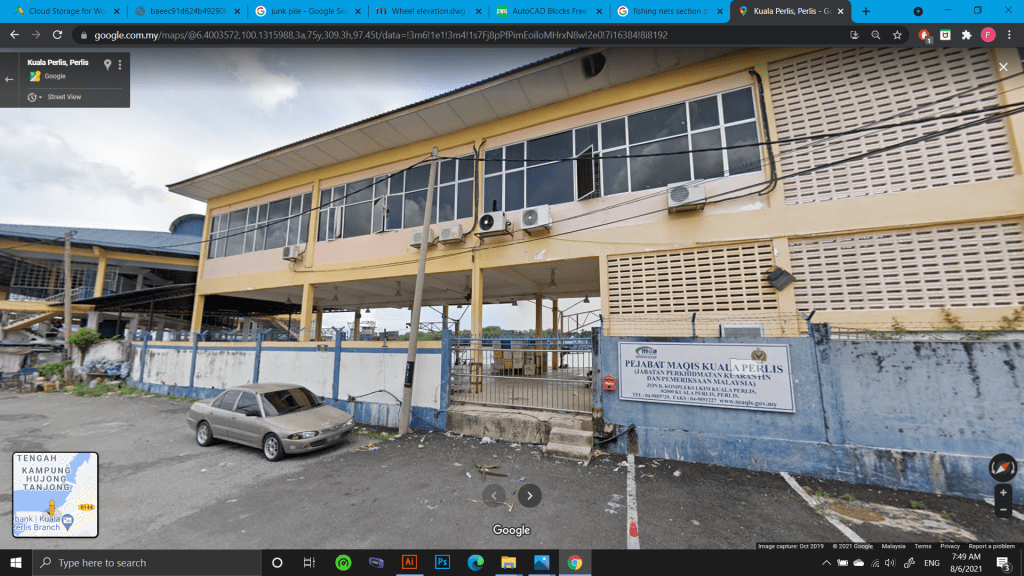
In order to find out more about programming, I have researched some cases and have found a similar project near the Melaka River in Kuala Perlis.
The activities of the fishermen and the community were heavily observed from site visits.
A large portion of the population of Kuala Perlis is engaged in fishing and agricultures. Ironically, the fishing community in Kuala Perlis is observed to be living in a squalid condition. Their houses are built on stilt and most are occupying state land without any ownership granted to them. Most of the houses are of temporary construction without proper infrastructures. Physically, the site lies about a metre lower than the main road level and generally is no proper infrastructure and sanitary facilities.
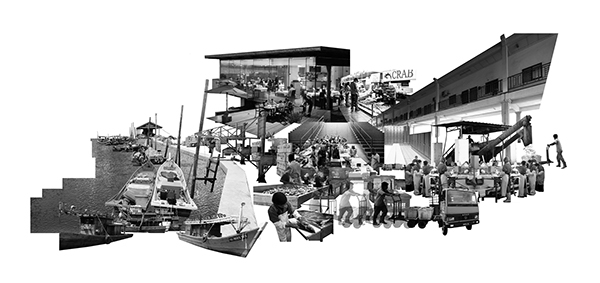
With the state of the poor structures and roads, if there are improvements to it then the activity of selling fish directly in these riverside areas will increase and makes the fishermens lives better. Here are some pictures of the programming in the village.
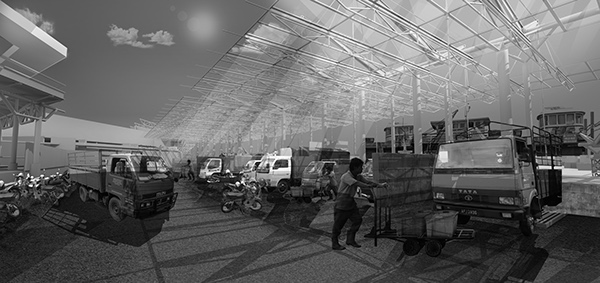
After the catches, the fresh fish is transfered and collected according to the type. Some are stored in the cold box.The retailers/ whosalers will come and bargain at the auction hall to get good price of the fish. Lorries are used to transport the fish.The fish then are sold at the local market.
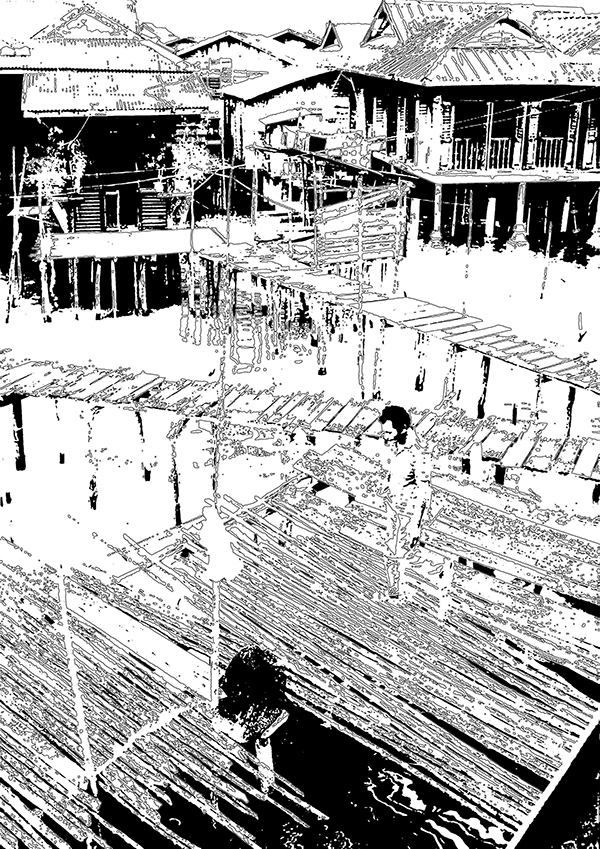
In accordance to the relationship between land and sea,The jetties are found repetitive & located between land and sea. The houses are located near the jetty, the fishermen use the jetty to go fishing, park their boat and tie to the pile/piers
While observing the houses, Their houses are of varying sizes and shapes Their houses are built on stilt and have no security from flood. Some of the house are built on ground vehicles cannot easily pass. During monsoon season they focus on building boats and similar equipments.
Issues in this area
Issues Related To Trawl Fisheries:
There are, however, a number of issues and challenges related to the capture fisheries sector. Major issues related to the trawler fisheries are listed below, but not in order or significance or priority.
a) Overcapacity:
It is suspected that there is overcapacity in the trawl fisheries, especially in the inshore waters, i.e. Less than 30 nautical miles from shore. A number of C2 trawlers are currently having difficulty to meet their requirement of landing a minimum of 250 tons annually, as a condition for renewing their license. However, there has not been any recent scientific assessments to ascertain the degree of overcapacity objectively.
b) Growth overfishing and trash fish:
Trawlers tend to land a high proportion of trash fish, which includes juveniles of commercially important species. The trash fish component of trawler landings are usually used in the fish meal industry, aquaculture and value added products such as surimi, thus creating a demand for this category of catch.
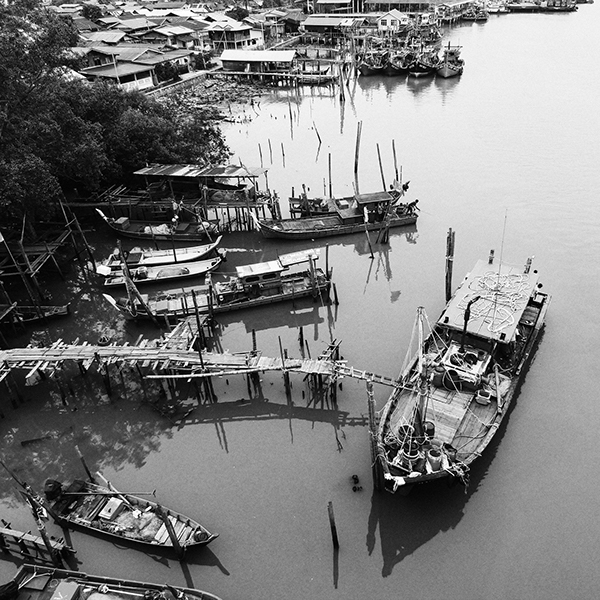
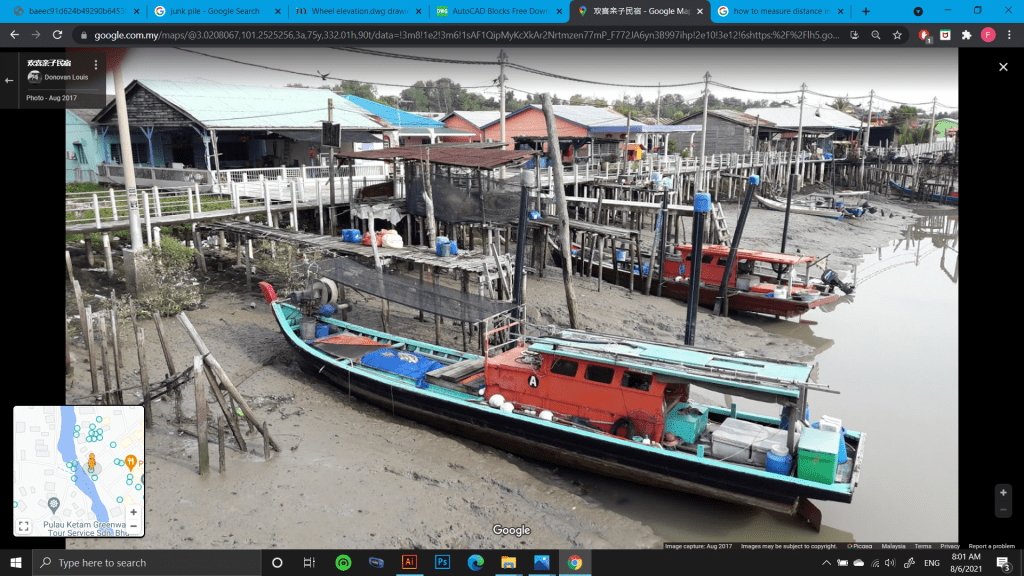
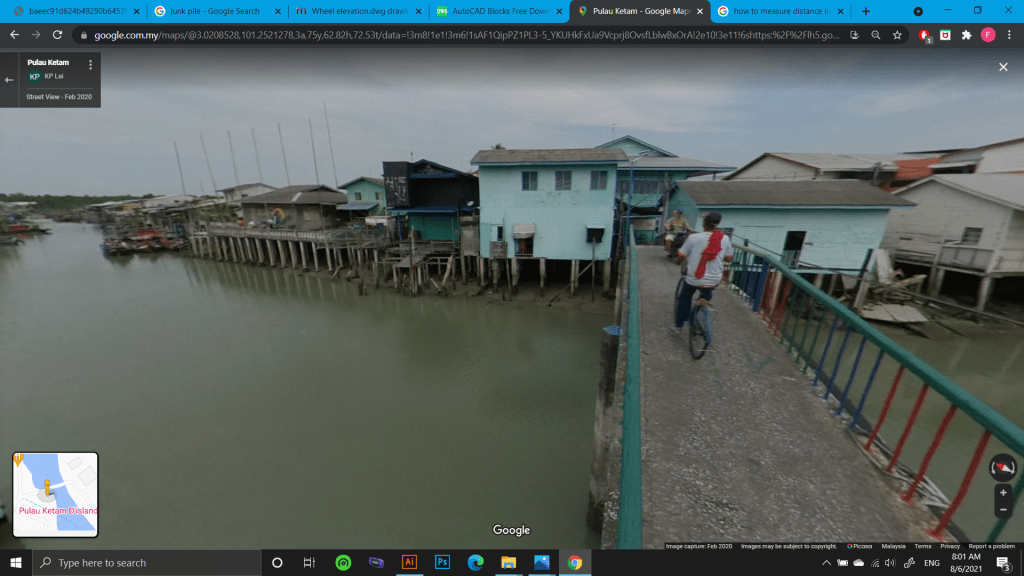
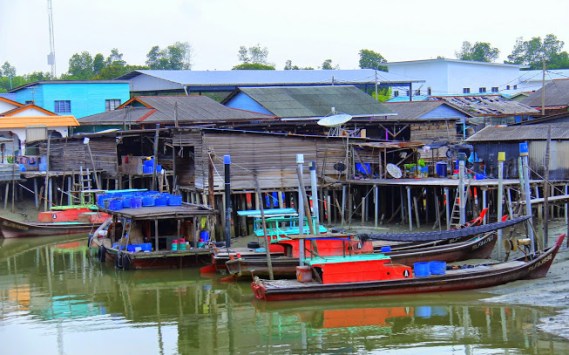
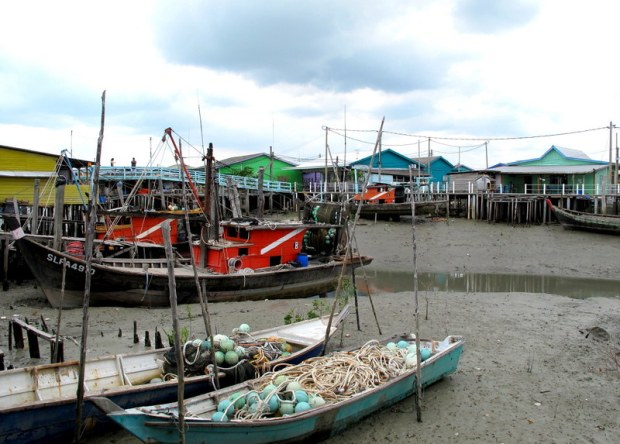
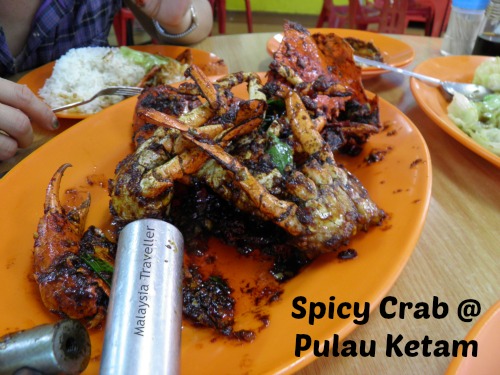
Pulau Ketam, literally translated, means “crab island”. It is a small island located off the coast of Klang. The island is easily accessible from the Port Klang jetty by ferry. The “floating houses” that come to view as visitors approach the island is a sight to awe any city slickers. Perching casually on long wooden stilts, these dwellings are suspended about one to ten (1-10) metre above sea level.The streets, while appearing like normal paved roads, are similarly supported. Outside the main town, more precarious looking wooden bridges can be found. There are no cars on the island and getting around by bike is the norm, though there are a few motorbikes.
-The formerly bustling village was once one of the main suppliers of dried shrimp and ‘belacan’ in the country. Now, however, production is shrinking as many villagers have migrated to the cities and the population is dwindling every year.
SPECIALTY FOODS
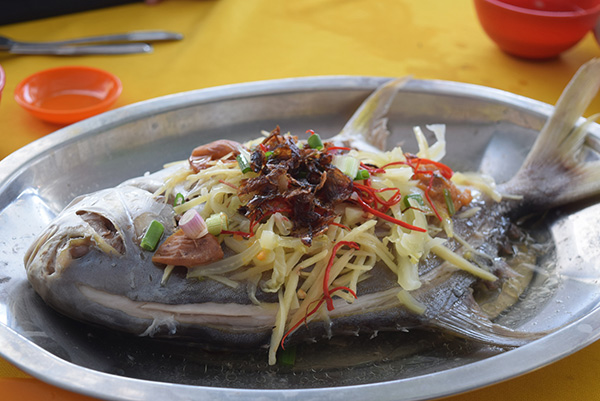
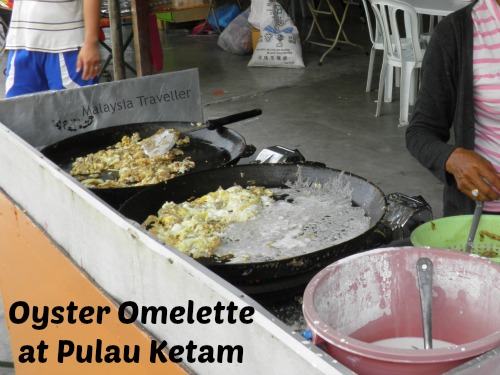
THe main types of seafood found are different types of shellfish(crab, prawns, oysters) and river fish such as barramundi or kempung.
OLYMPUS DIGITAL CAMERA
ISSUES FACED BY THE FISHING COMMUNITY
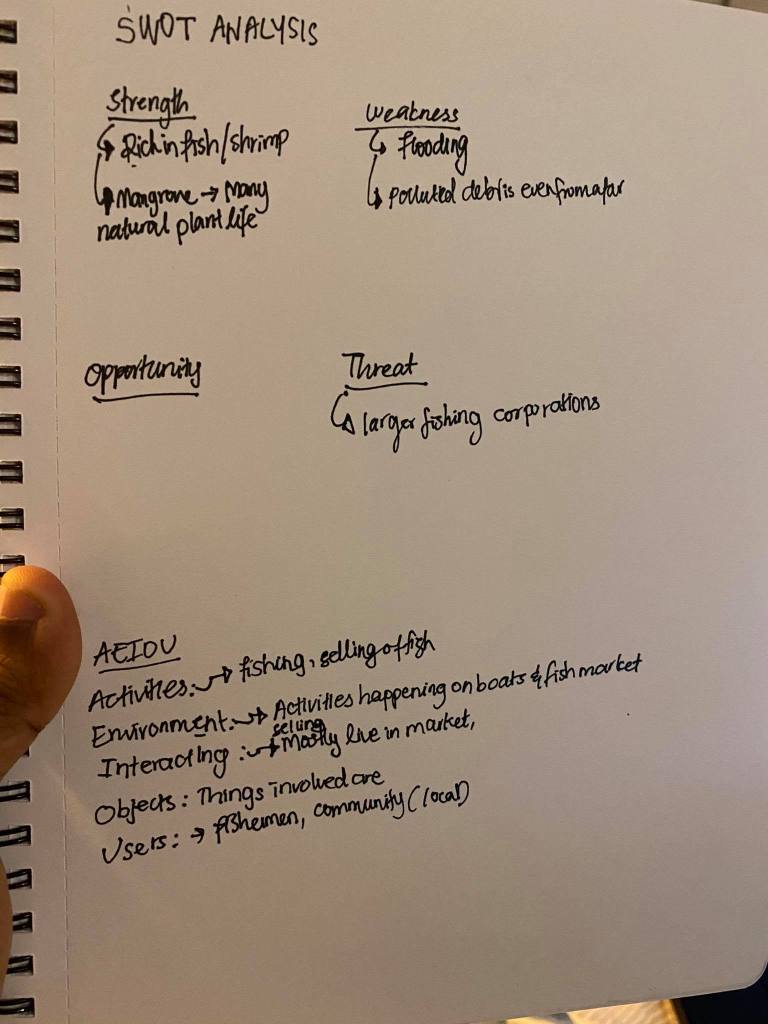
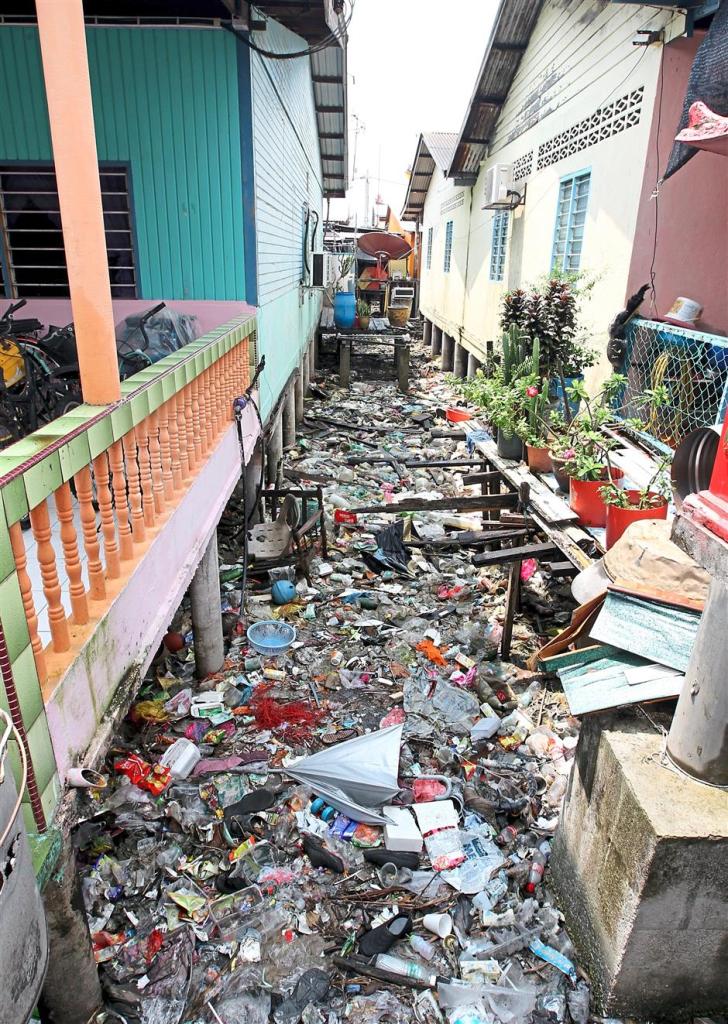
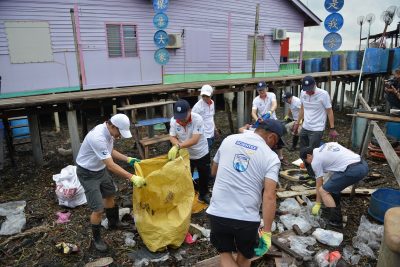
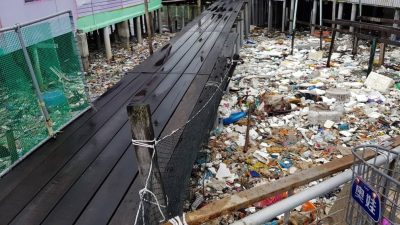
Pollution is a major issue faced in this village especially with the tide level changes. From the other vessels/boats in the straits of Melaka as well as the community itself, most of the trash is accumulated near the fishing or fish farming areas.
Like many other coastal communities around the world, Pulau Ketam faces the problem where tonnes of rubbish are brought in by the daily tide, affecting their livelihood, sanitary health and homes
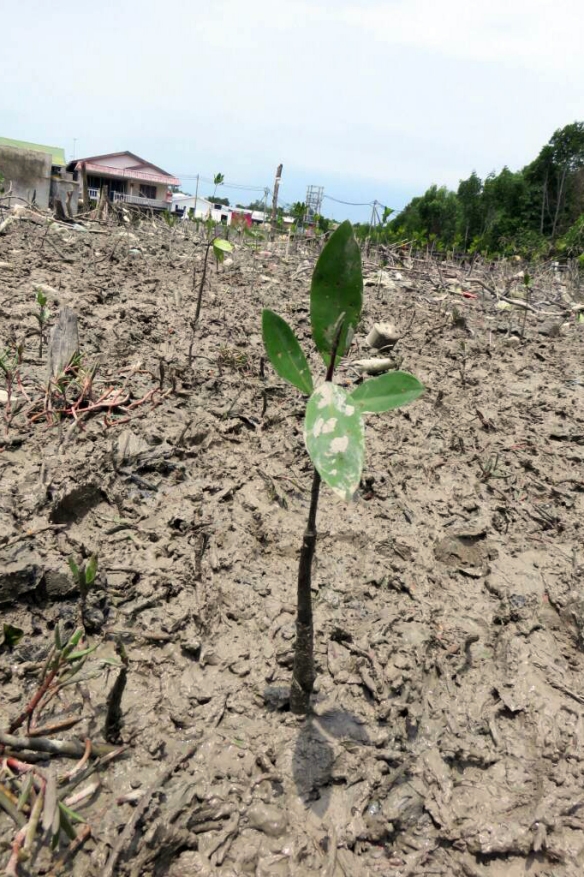
This village is on top of mangroves and mudflats. Mangroves can act as a natural filter as well to an extent but the amount of litter increasing destroys the plants and animals instead.
Research on fishes in the area also revealed a scarcity of fish in general – uncommon in mangrove surroundings – and small fishes like baby siakap or kembung.
Besides the lack of buffer zones for fishing activities, which help promote sustainable fishing, the existence of garbage also means trash gets caught in fishing nets. Right now there is one waste management center in the village but even then there are issues of mishandling garbage.
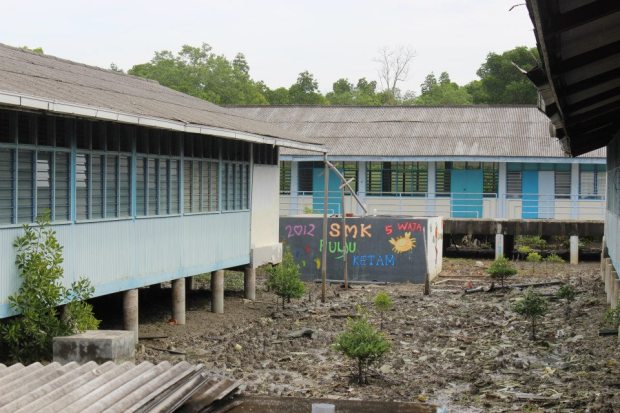
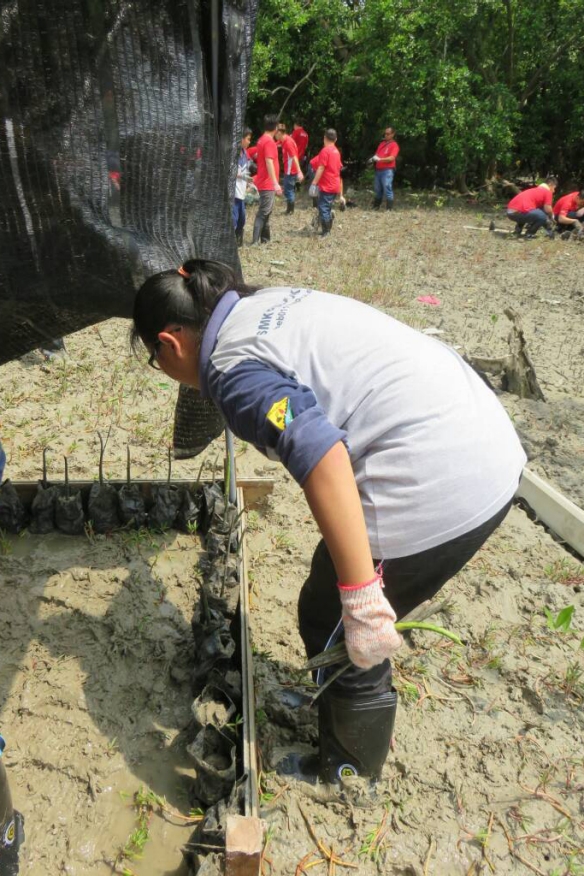
A recent survey by MNS also showed that the island’s environmental health has deteriorated. There is a lack of juvenile commercial fish inside the mangrove areas and fewer bird sightings. Being a mangrove area, there are usually a lot of shore birds around, especially on mudflats. But you don’t see many birds these days and it’s linked to the lack of fishes that the birds can feed on during low tide. While they were planting the mangrove saplings behind the school in this village, they found layers of plastic stuck underneath the mudflats. That prevents the shrimps and cockles from surviving there.
“TO INVENT A FUTURE THAT DOESN’T EXIST, YOU REALLY HAVE TO UNDERSTAND WHAT PEOPLE ARE DOING TODAY AND COMPLETELY RE-IMAGINE IT.” – Bill Burnett, exec.director of design, Stanford University’s D.School Question: What/how would you do to create or establish this ‘new idea’. How can this help with your current design project?
I think this statement is really important especially if you want to make an impact on the future. As it is right now, I believe that with advancements in technology, we are able to get a lot of information that we need in a few clicks, and the market has become a bit saturated as well with ideas. So in order to get a better understanding and come up with a new idea, we have to extensively research our target/idea that already exists and then mix it with a lot of imagination or what does not seem realistic.
We can get inspired from literally anything around us, but the ability to execute our interpretations into a realistic solution takes a lot of time and research. I think that before shooting any ideas down saying that it is impossible or too unrealistic, we must change our mindset to a more fantasy like mind. Instead of thinking this is impossible, think that this actually works and if so how does it happen. Even a small change like this motivates us to work harder to come up with creative solutions.
Personally, I love looking at fictional media for what we imagine the future to be like or even movies from Studio Ghibli that shows a mix between realism and magic. Another take we can have on this statement is the way we can look at it from different angles which is by getting the opinions of many people. Different people have unique takes on each project and you could create a hybrid of these solutions while it also works efficiently.
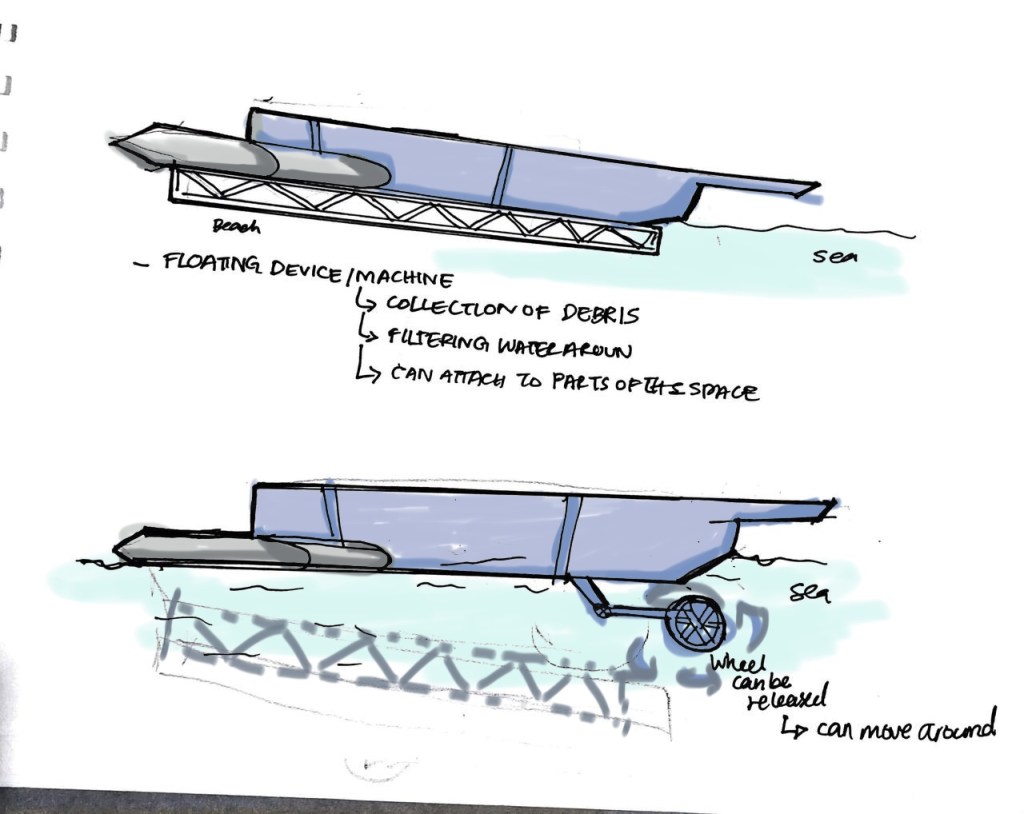
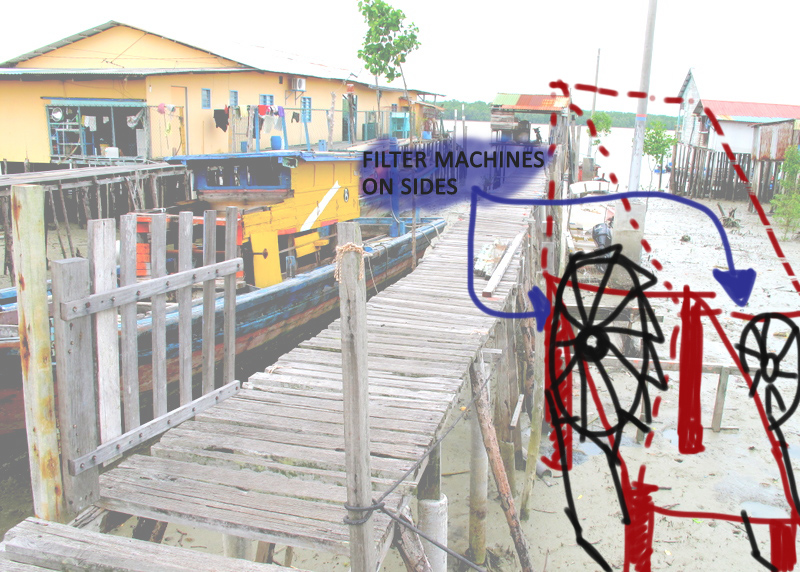
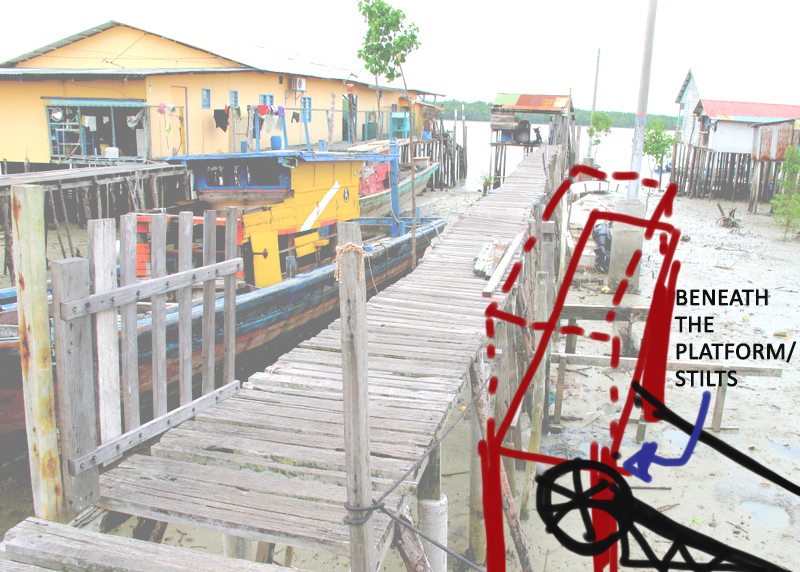
Moreover, by using these two methods, I think it has helped my project to move into a better direction. I have researched about my fishing community based project for a few weeks and in order to understand them, I have to get a hold of the lifestyle they have so I can help affect them positively and solve their problems of pollution. However I also have to be creative in a way that I use the filters as not just a small machine in the area but as a continuous structure/form throughout the area.
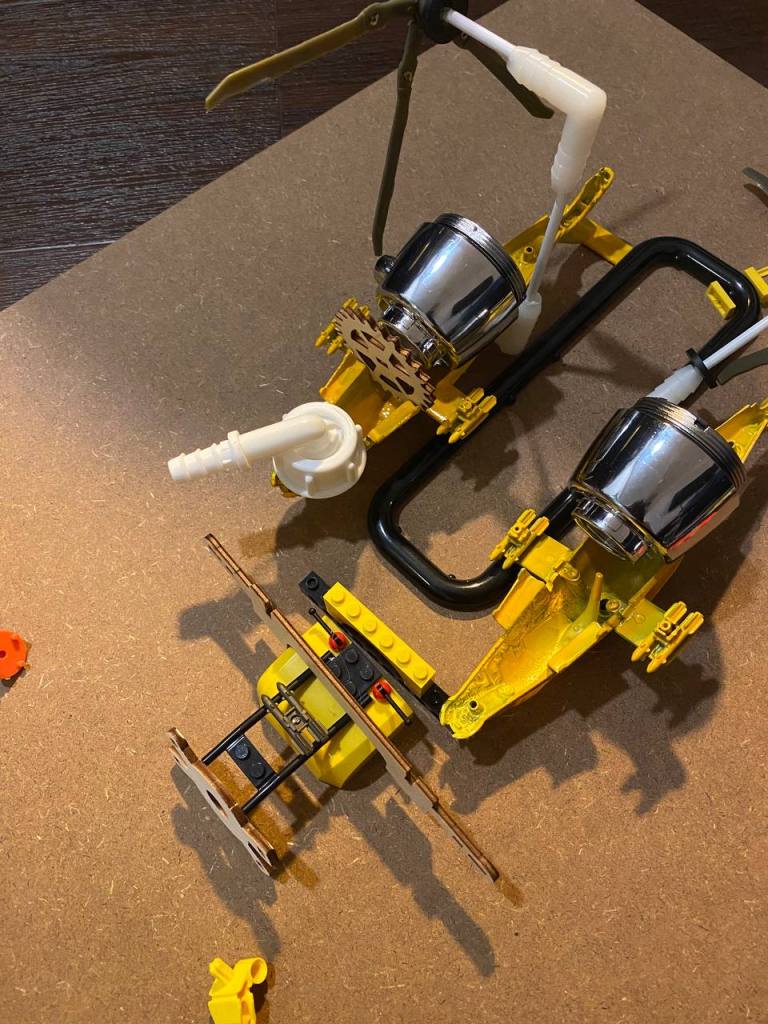
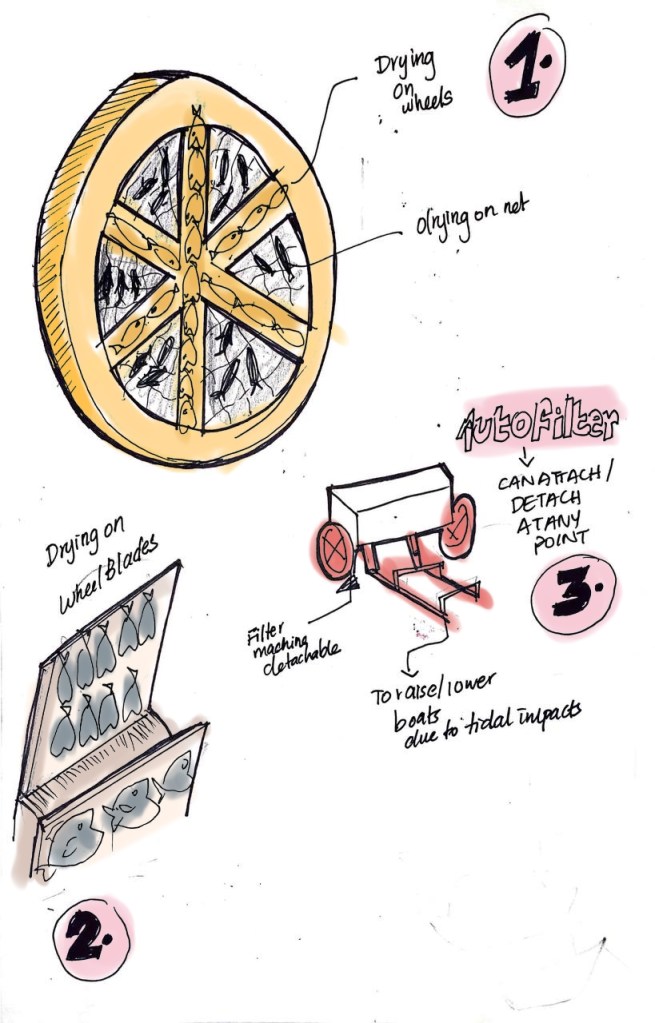
To continue this, I was thinking of using the different parts of the filter or their rotations in a way that helps with solving the fishermen’s problems and also a more futuristic approach. Drying of fish/prawns can be done using the rotation of wheels, and perhaps the platform could be a floating/moving one as well. As I have seen thigs like moving islands or floating machines to reduce pollution, I was thinking that we could use something interesting and similar in the area.
I made the fish wheel which can carry or dry fish for the community which is a part of the filter and I also made a sketch for detachable water filters that float around and help reduce water pollution. Furthermore, I thought of adding a structure that helps with erosion to raise the boat and let them move into the sea easily
Pulau Ketam, literally translated, means “crab island”. It is a small island located off the coast of Klang. The island is easily accessible from the Port Klang jetty by ferry. The “floating houses” that come to view as visitors approach the island is a sight to awe any city slickers. Perching casually on long wooden stilts, these dwellings are suspended about one to ten (1-10) metre above sea level.The streets, while appearing like normal paved roads, are similarly supported. Outside the main town, more precarious looking wooden bridges can be found. There are no cars on the island and getting around by bike is the norm, though there are a few motorbikes.
-The formerly bustling village was once one of the main suppliers of dried shrimp and ‘belacan’ in the country. Now, however, production is shrinking as many villagers have migrated to the cities and the population is dwindling every year.
-The industry is also facing a succession crisis as the youths prefer to work in urban areas rather than remain in the village. Thus, seafood production and fishing-related crafts are not being passed on to the next generation. The lifestyle and culture, including food consumption patterns and living spaces, have also been significantly affected.
SPECIALTY FOODS
THe main types of seafood found are different types of shellfish(crab, prawns, oysters) and river fish such as barramundi or kempung.
OLYMPUS DIGITAL CAMERA
OLYMPUS DIGITAL CAMERA
ISSUES FACED BY THE FISHING COMMUNITY
Pollution is a major issue faced in this village especially with the tide level changes. From the other vessels/boats in the straits of Melaka as well as the community itself, most of the trash is accumulated near the fishing or fish farming areas.
Like many other coastal communities around the world, Pulau Ketam faces the problem where tonnes of rubbish are brought in by the daily tide, affecting their livelihood, sanitary health and homes
This village is on top of mangroves and mudflats. Mangroves can act as a natural filter as well to an extent but the amount of litter increasing destroys the plants and animals instead.
Research on fishes in the area also revealed a scarcity of fish in general – uncommon in mangrove surroundings – and small fishes like baby siakap or kembung.
Besides the lack of buffer zones for fishing activities, which help promote sustainable fishing, the existence of garbage also means trash gets caught in fishing nets. Right now there is one waste management center in the village but even then there are issues of mishandling garbage.
A recent survey by MNS also showed that the island’s environmental health has deteriorated. There is a lack of juvenile commercial fish inside the mangrove areas and fewer bird sightings. Being a mangrove area, there are usually a lot of shore birds around, especially on mudflats. But you don’t see many birds these days and it’s linked to the lack of fishes that the birds can feed on during low tide. While they were planting the mangrove saplings behind the school in this village, they found layers of plastic stuck underneath the mudflats. That prevents the shrimps and cockles from surviving there.
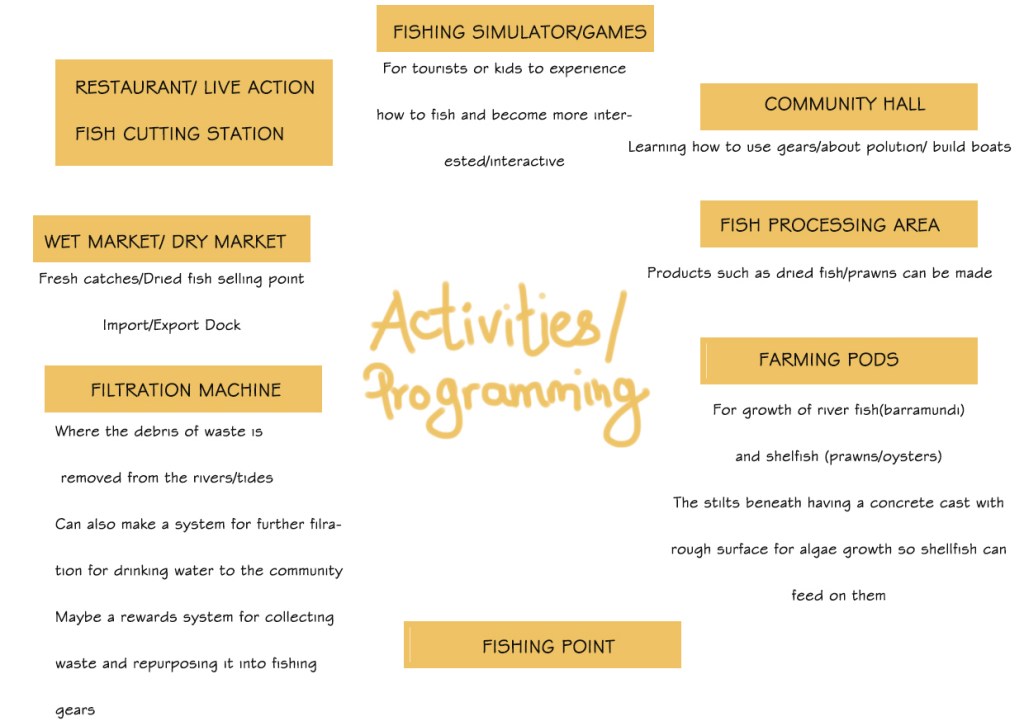
PROGRAMMING/ACTIVITIES
As of now, these are my main ideas for the activities inside the space. It is not finalized yet but I wanted to make a community center to help the small fishing community
IDEAS AND MEDIUM
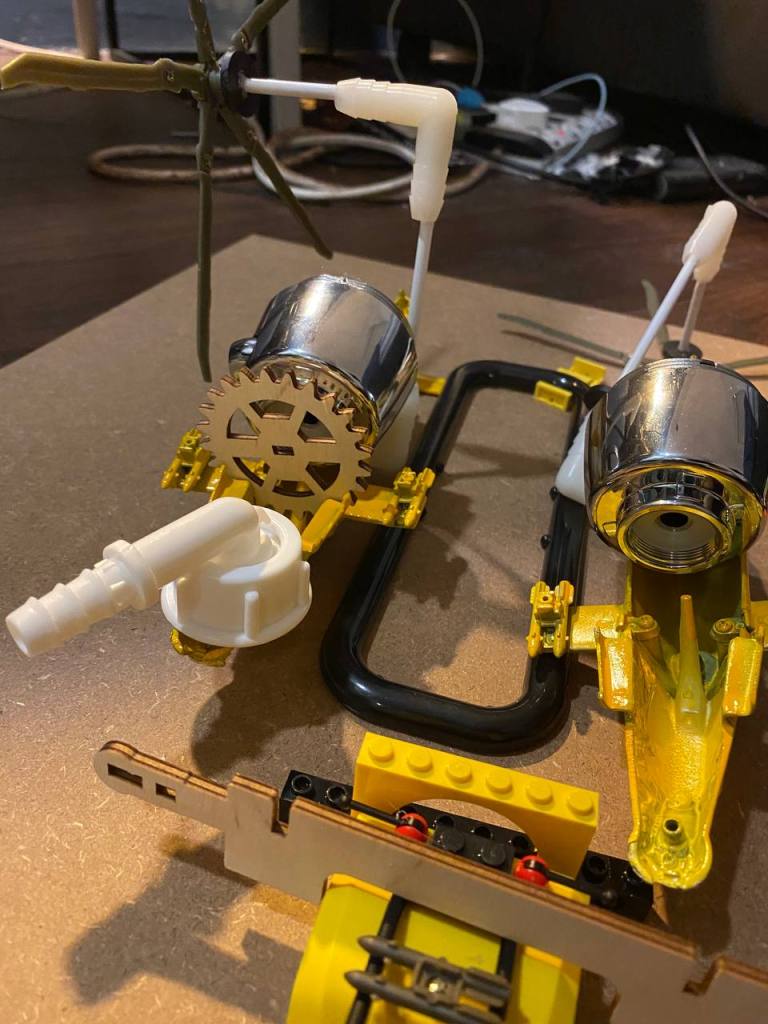
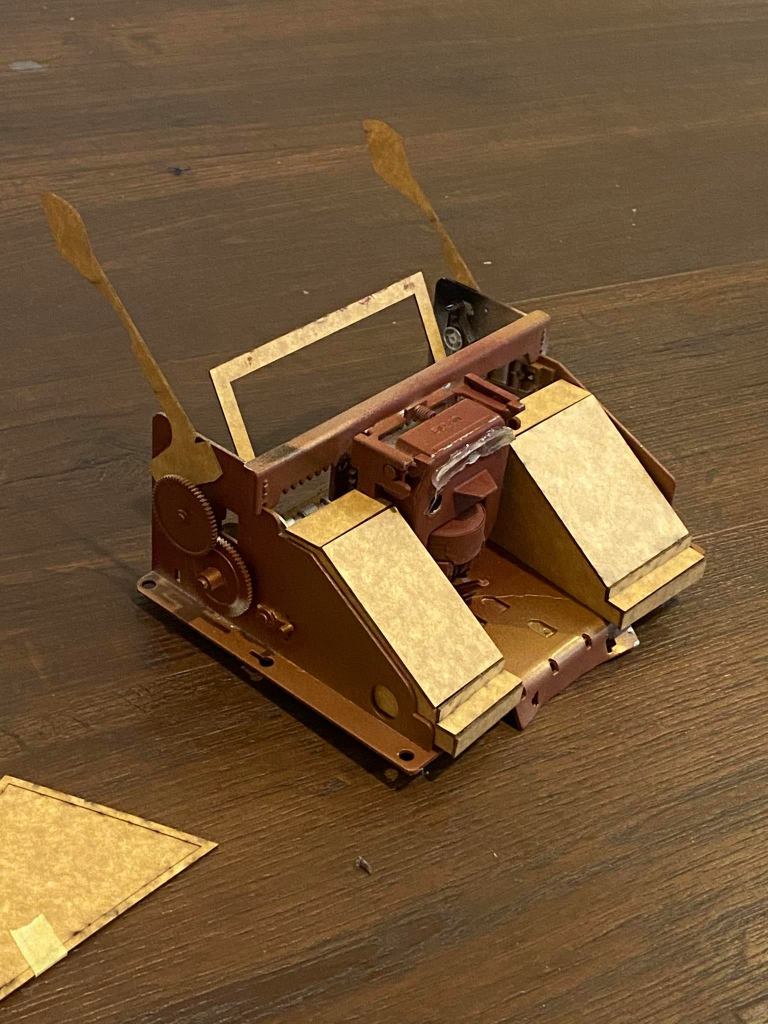
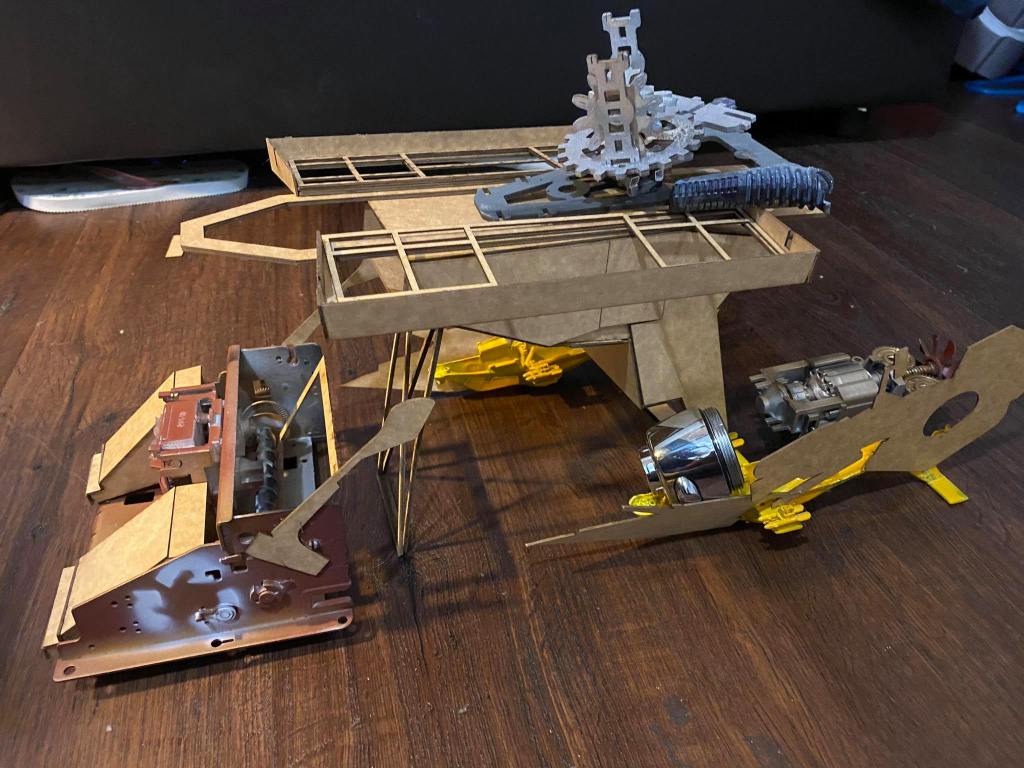
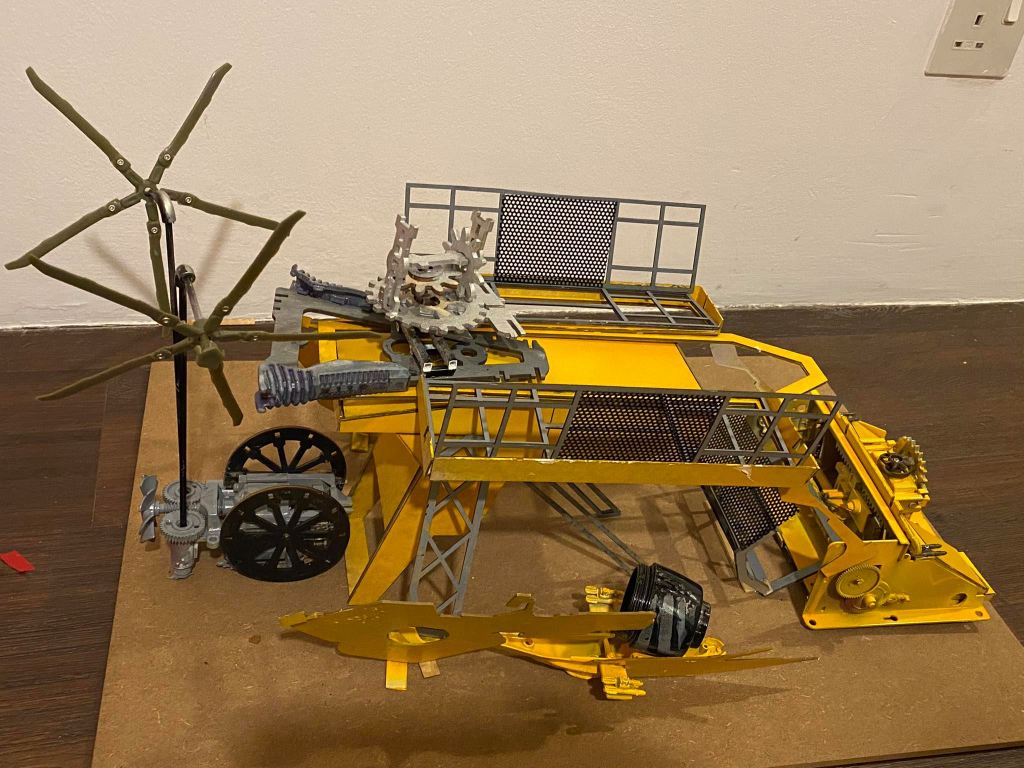
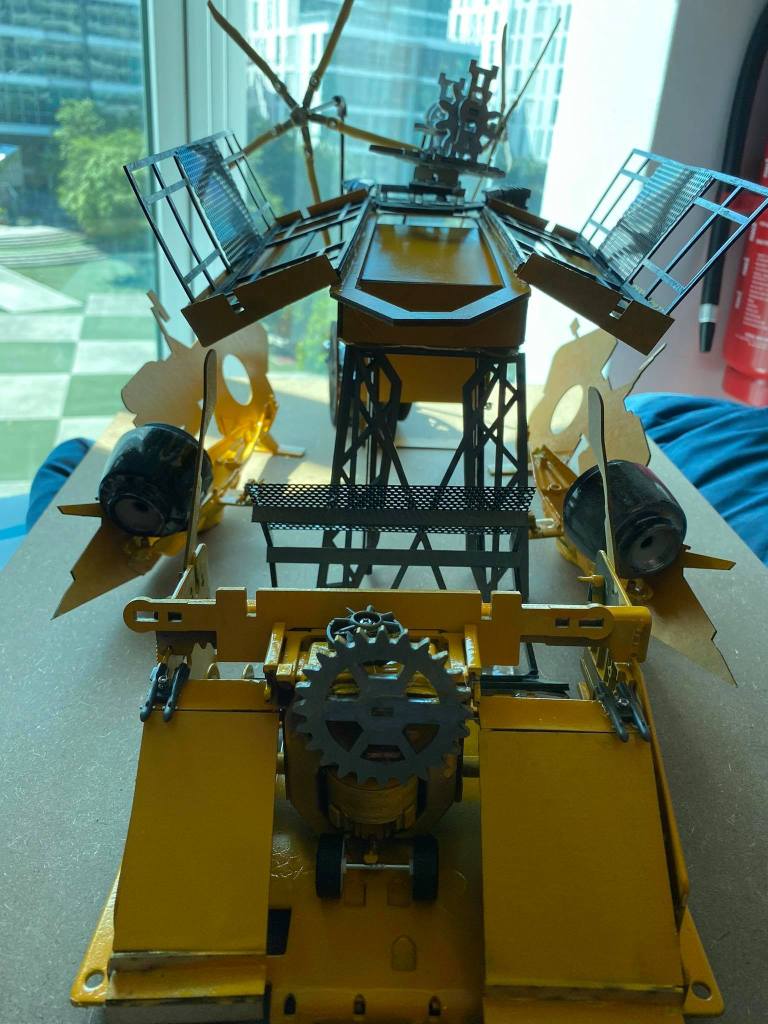
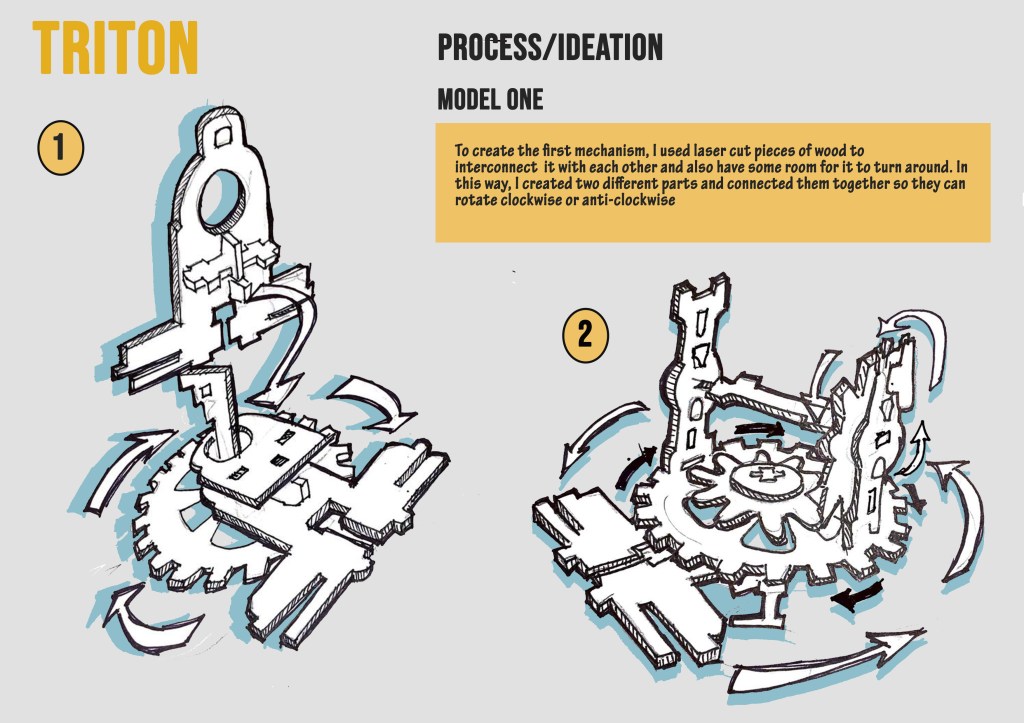
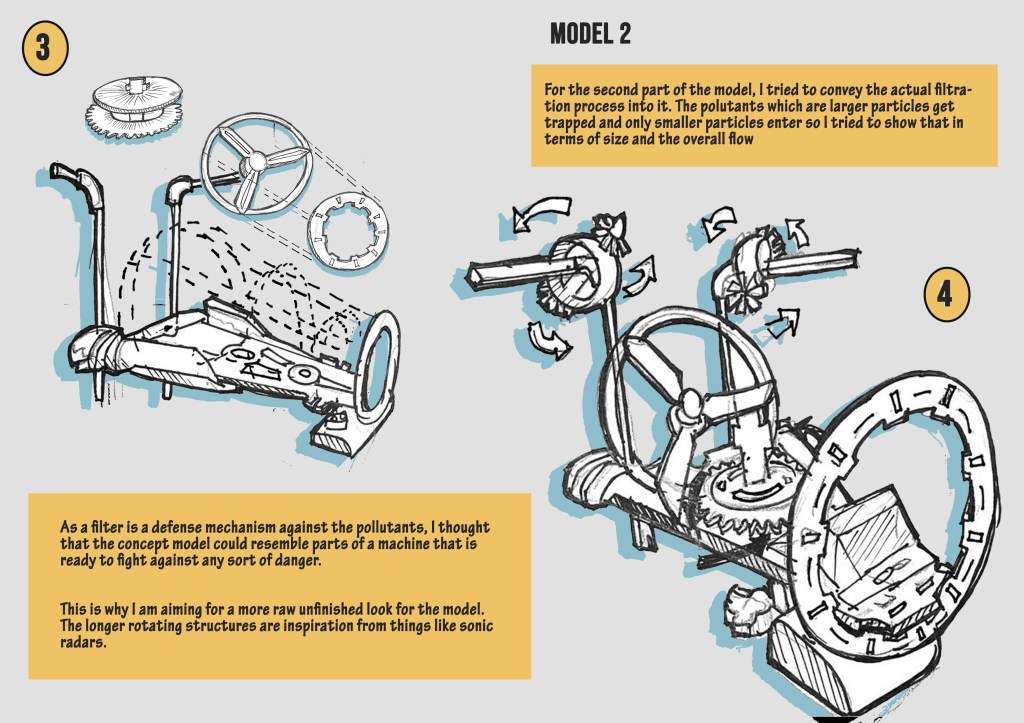
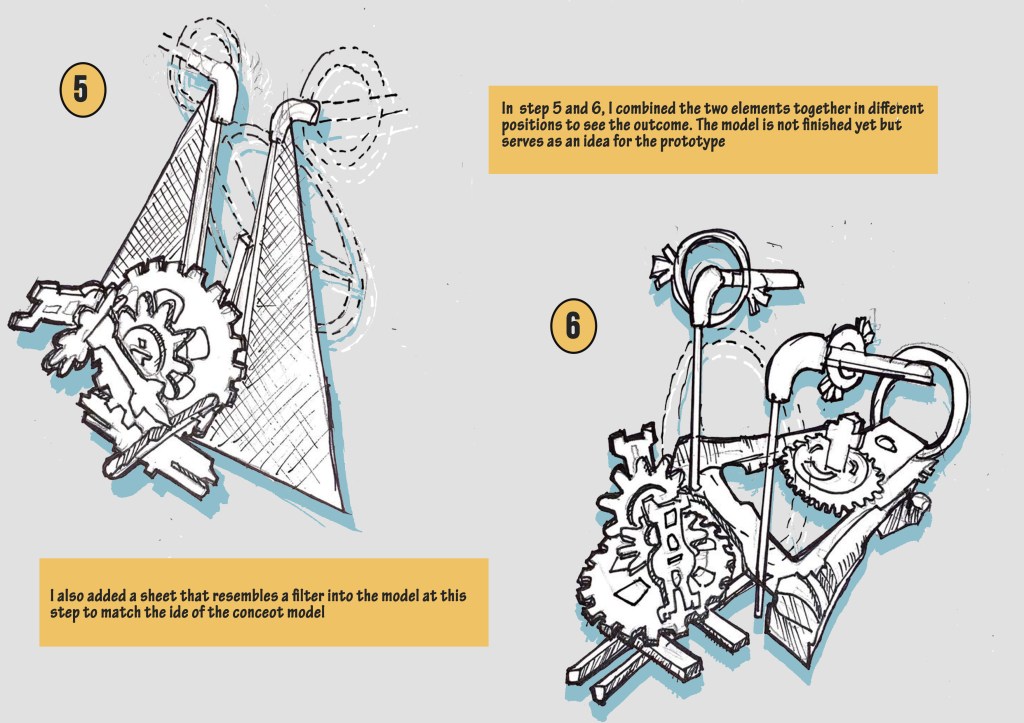
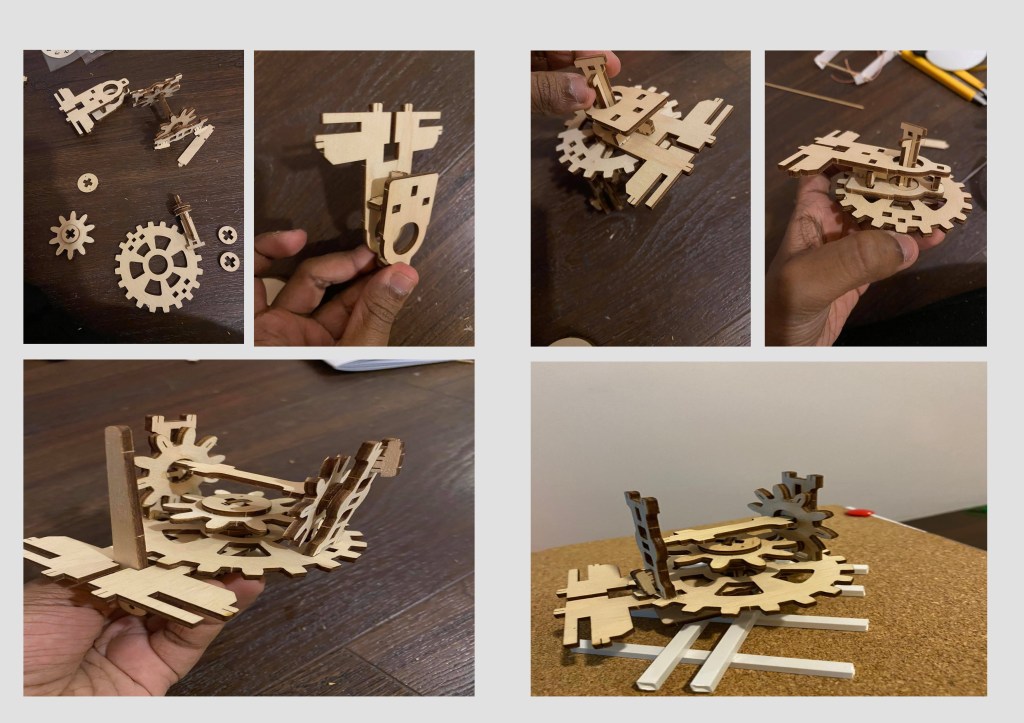
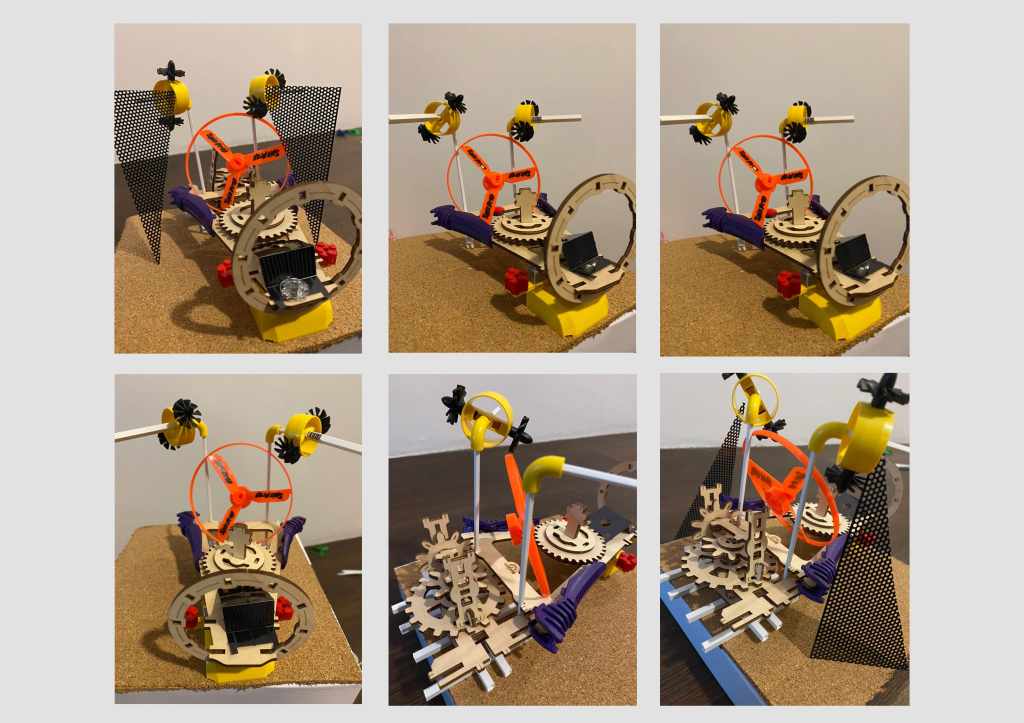
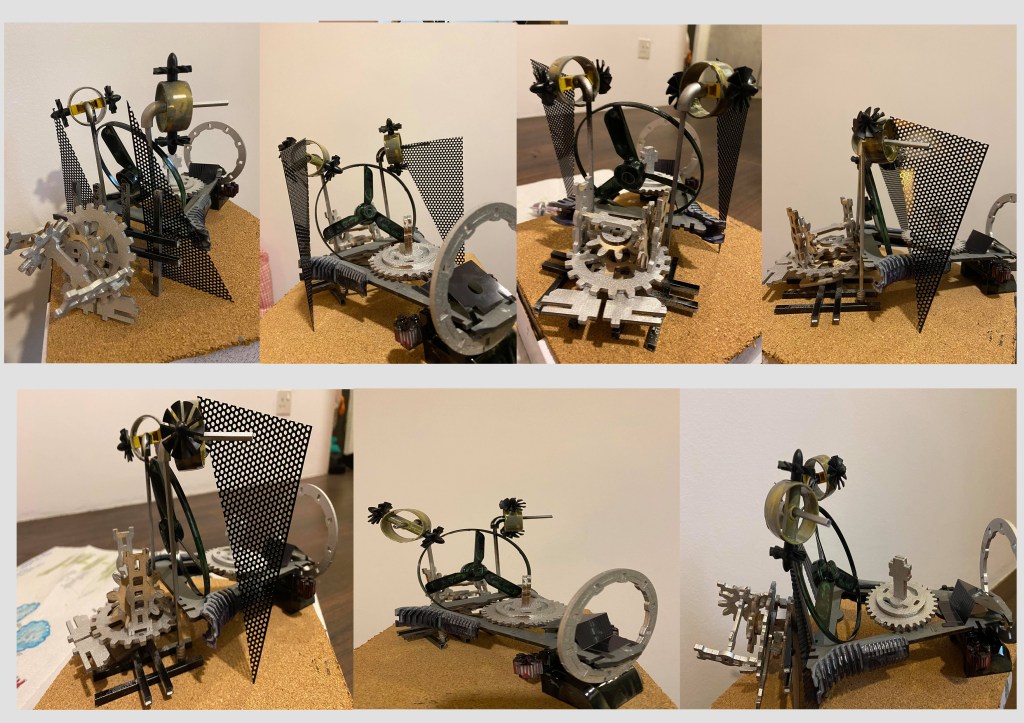
As per my previous weeks blogpost, I have decided to think about how to place the filter medium on the actual site. With the mechanism for removing the debris, I could place it towards the bottom of the stilts or as a part of the area as well in this way. Perhaps this place can be a floating one as well with the filter system attached throughout the structure.
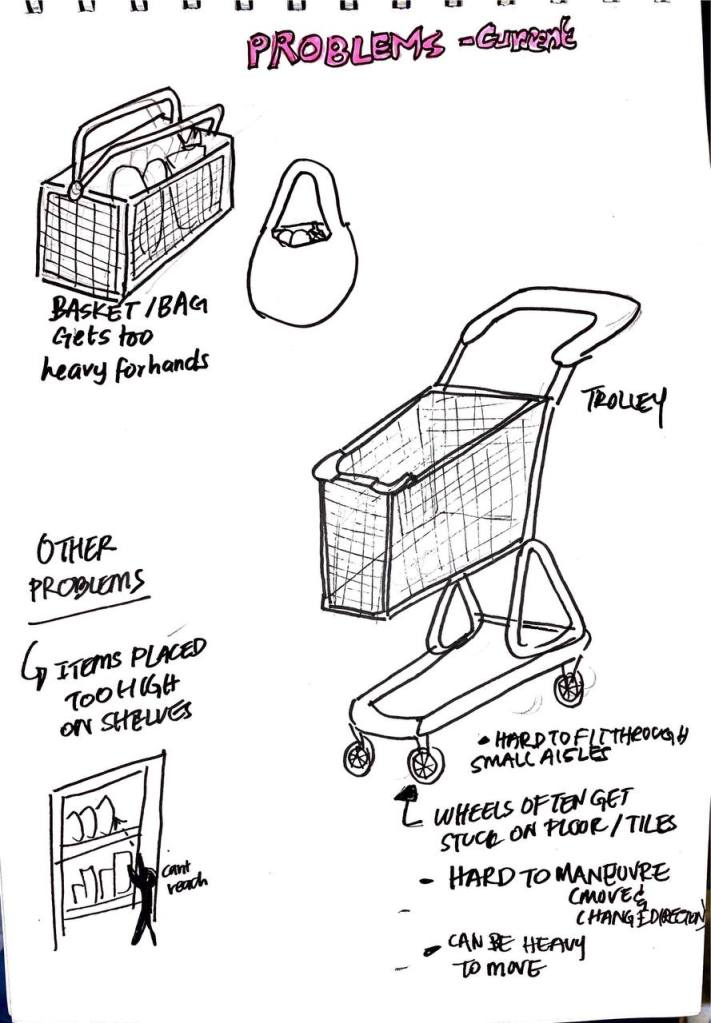
When it comes to grocery shopping, there are many problems I’ve faced such as the difficulty in carrying items as carrying bags can get too heavy for my hands and trolleys could have also been taken by others leaving me with a basket in this case. Moreover I think that trolleys themselves have difficulties as well even if its the current best solution that is available.
It can be hard to maneuver and move along the aisles. It can easily get stuck on the tiles or the floor and sometimes does not fit through the smaller aisles as well. For younger people, it could also be a bit heavy to move around so even if it takes the weight of your groceries, I believe that we can try to come up with an improved solution to this problem. Other problems I have faced in the grocery store include the difficulty of getting items in the higher shelves and not easily getting an employee for helping.
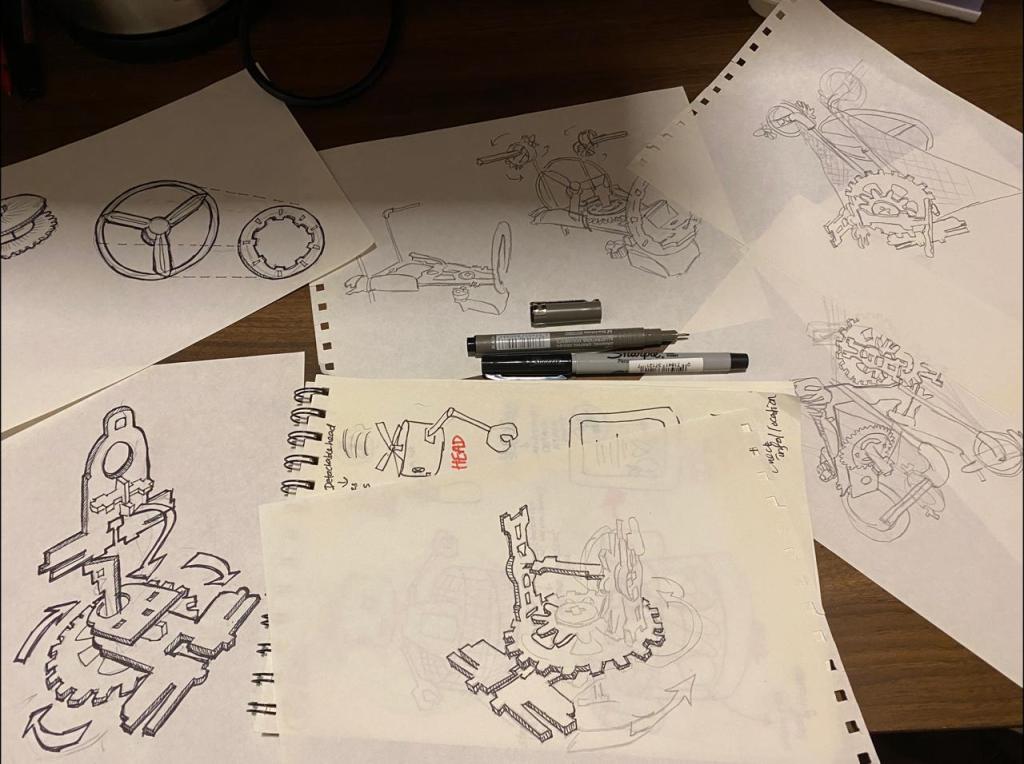
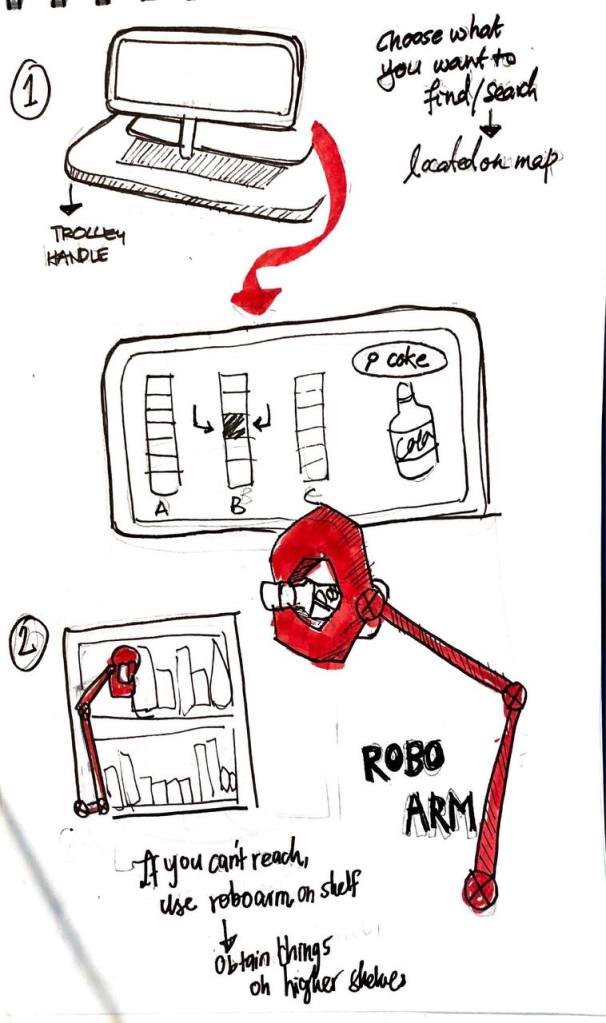
Therefore, by combining the words mechanics and movement, I thought of some solutions for this problem. The illustration is shown below
My first idea was to include a search option on the handle or part we touch to move the trolley. I took inspiration from the airplane seating where you can take the lunch table out so in a similar fashion, you can access the screen to find where the item you are searching for is located in the grocery store itself.
The next idea was inspired by robotics and it is to include a mechanical option on the shelves themselves. So to obtain the item, we can select the item we want on a catalog and the ROBO ARM will bring it towards us.
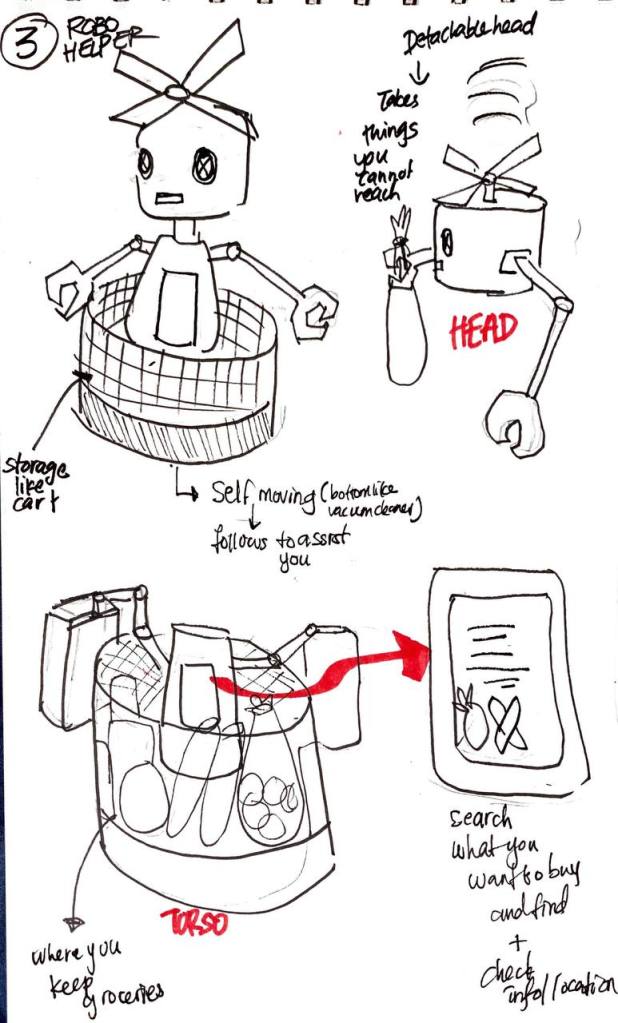
The final idea is to have a personal assisting robot that can move about and helps to carry your items with ease. This Robo Helper has a detachable head and can take items you cannot access on the higher shelves. Like a drone, it can fly about after you enter which item you want access to.
I took this idea from the self cleaning vacuum so to have a surface like that beneath instead of some large wheels at the bottom. This will make the movements easier and smoother unlike the trolleys that sometimes have an unstable wheel that makes it even more difficult to move. The shape of the circular robot can make it easy to put items inside. The robot can also be allowed to follow you if you give them the permission to do so.
An option to access a catalog is available in its torso so like the previous idea, you can find the the location of the items on the screen(inspiration from Teletubbies cartoon). I was also thinking that the hands could perhaps transform or hold boxes/plastic bags for more space. All in all I hope that these ideas can make the shopping experience better and much more exciting for everyone. This is the time to start investing in the future to help us in our daily needs in this way.

 ARC 60708 ADVANCED INTERIOR ARCHITECTURE DESIGN I