FORUM 02: “Design adds value faster than it adds costs.” — Joel Spolsky, web programmer, writer, and creator of Trello. Sometimes we heard people say, “why should I pay for design? ANYONE can design…” The idea of design is always being narrowed-down with statements saying that design is simply an action that ANYONE can do. How do we, as designers can over come that?

I think this is a mindset that people have especially these days where it is easier to access to different programs and outlets. However, what they do not understand is that designing is not just putting two random things together. It is the value that someone can bring to a project in order to make each project or product into something that uniquely belongs to a client. For example, even if similar Shapes/colours are used in branding or interior design, what makes it unique is the ability to represent the morals of the client in an interesting and creative way that it fulfills the objectives and gives the client something that fully represent their views. Its not just an aesthetic, its the ability to understand how to tackle and solve a problem with satisfaction for the client.

So I believe that not everyone can fully understand the problem and assess the situation in that way as just randomly drawing something. Designers are also more experienced compared to others in this field. They are trained to try and solve problems through their education and also other experiences. If people say anyone can design, then they can hire anyone and e successful but a lot of the times, in terms of design at least that is not the case. A major factor in businesses even more than money, is time. It is wiser to spend money and obtain a great product from someone experienced in a shorter period of time than much longer periods. The experience gives them more skills to finish this task faster.

Businesses always have to make good use of their opportunities and need to act when the time is right so it would save them a lot of time when the designer is more efficient in their work. To support this, would you rather have a great design made in a week or an ongoing design project for months before launching? Ideally it would be better for the first option If we take a good look at brands like Nike or Adidas, even though their design is simple for branding, its not just their logo but the principles they follow that are represented in their branding. They valued the advertising, website making and other processes that were properly made for all of it to become successful. They invested in design and appealed to the customers properly by communicating with designers that amplified the success of their business. If we look at the first statement, it says that designers can add value before they add costs. This is relevant to the previous forum as well about functionality and design. The solution they provide can fix a relevant problem and also could save costs.

Furthermore, an example for this is transformable furniture where we save space and have multi-functionality so that we dont have to buy extra furniture. This saves costs. Another example for this is the materiality. Designers research a lot and know the implications for using certain types of materials and their benefits/cons. So designers have more than one plan and the ability to come up with different fixes for issues.
WEEK THREE

MEDIUM

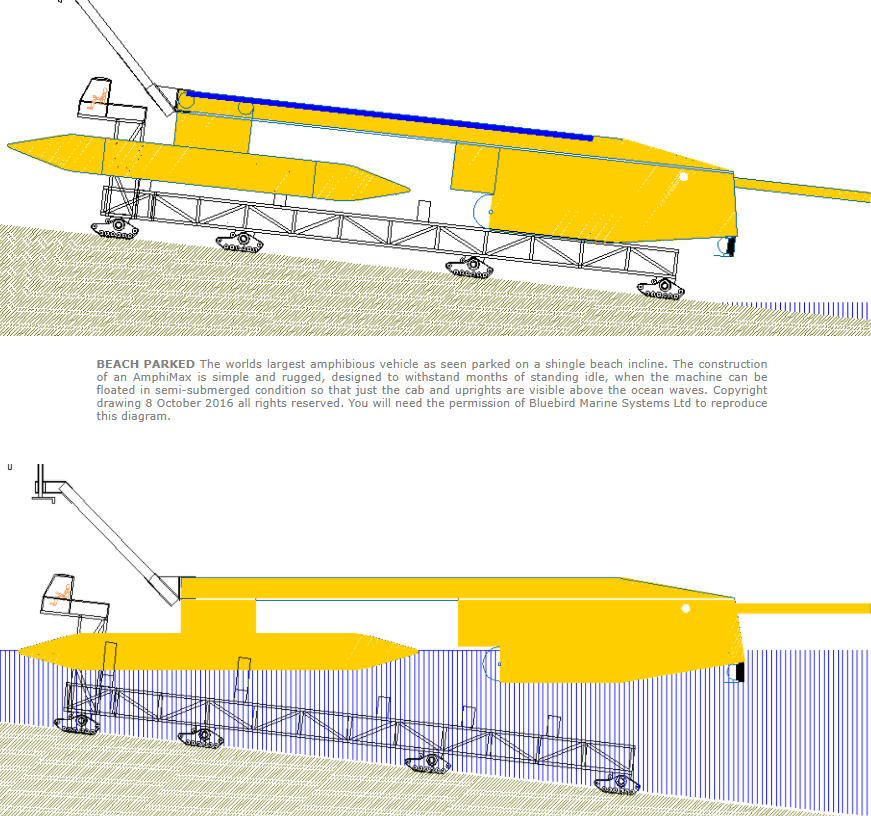
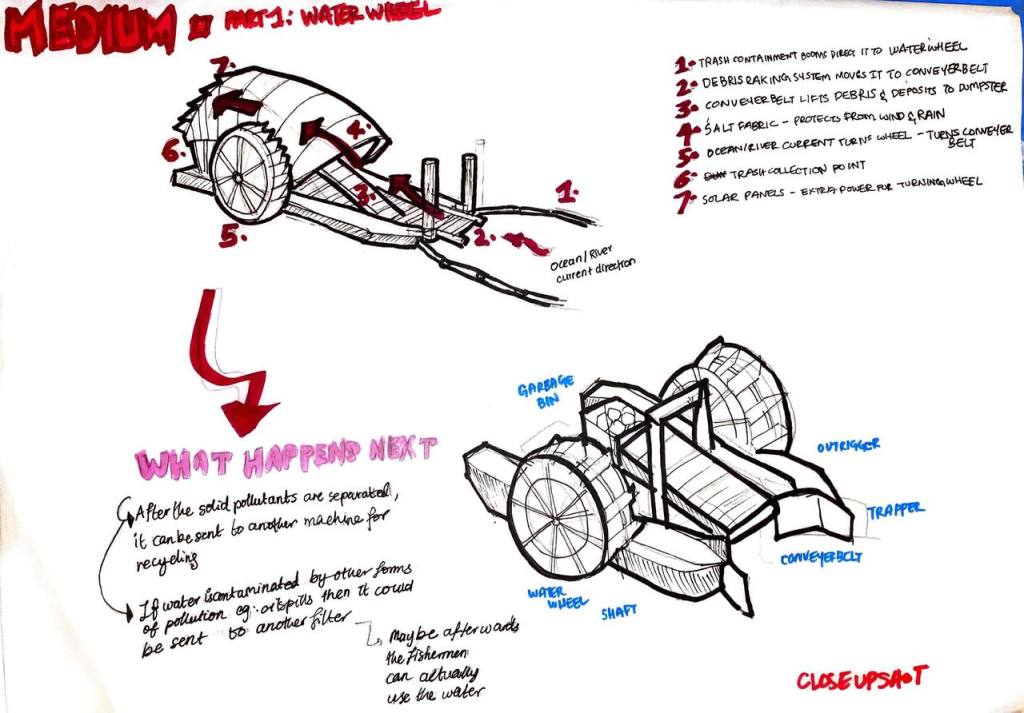
1-WATERWHEEL MACHINE

This week I started to do more research on the medium to be included in the interior. My idea was to include the water filter or debris removing system in the form of a medium. For this I have sketched some drawings and did some research for some moving filters in the ocean.

This filter system I have researched is called the water wheel which is a filtration system that follows the water current of the ocean or rivers and is powered by the current itself. Extra energy is obtained from the solar panels.

The debris or trash flows through the water to the conveyer belt and and then into a trash collecting box. The wheel is powered by the ocean current and solar energy. However I want to add to this and include areas for separation of trash materials to recycle into better parts. This is moatly for the debris that is floating or closer to the sea level.

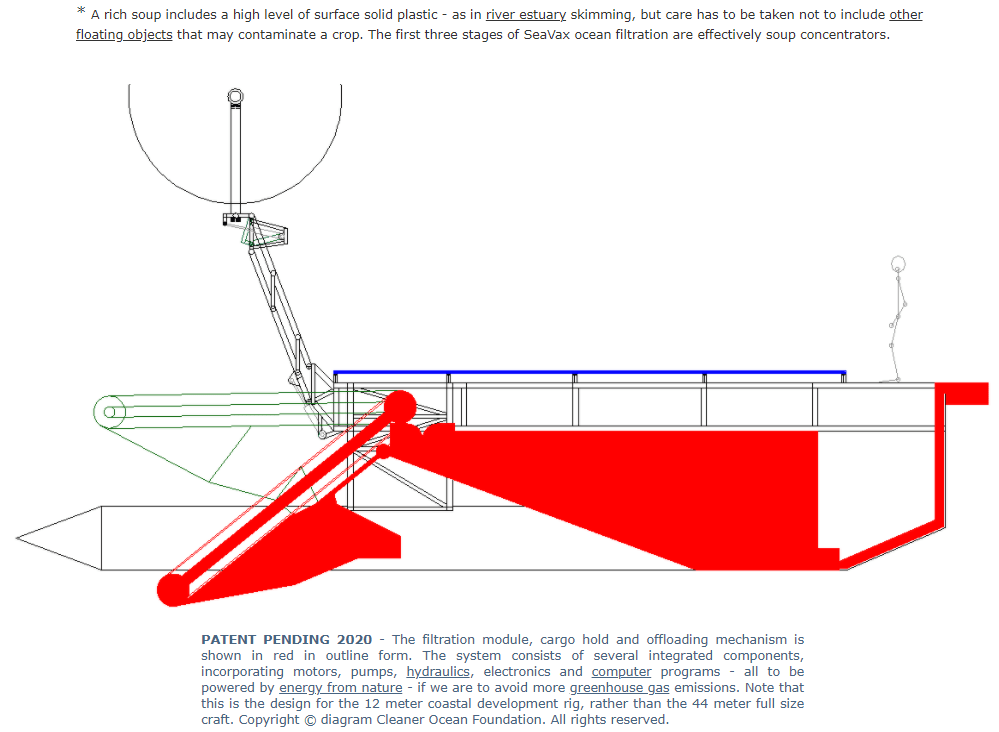
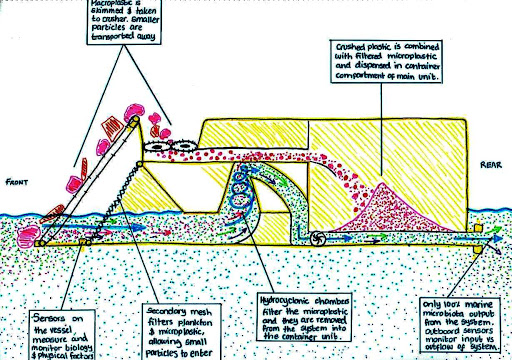
2-PLASTIC FILTER DIAGRAM-HOW IT WORKS

This picture also shows the filtration process of microplastics in the ocean using mesh systems and hydro cyclonic chambers. The filtered water from microplastics is then released back into the sea so it acts as a filter that is part of the ocean.

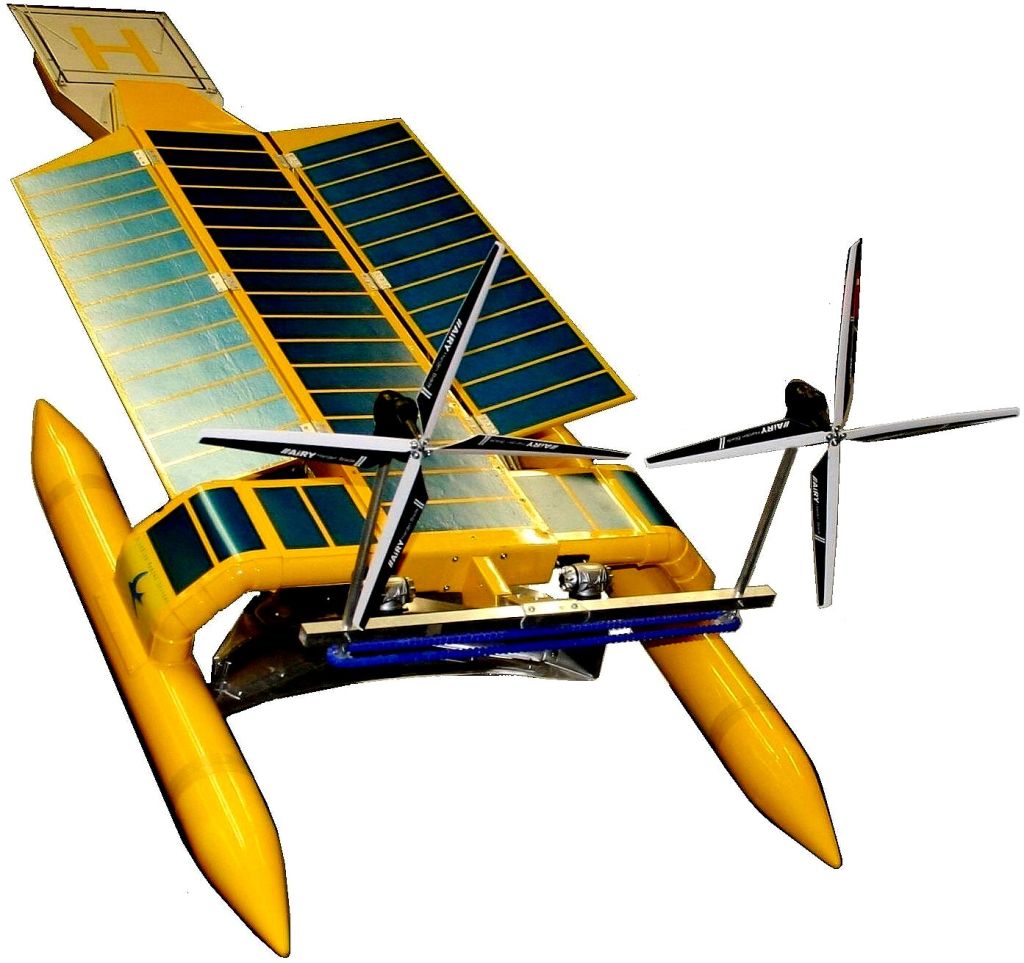
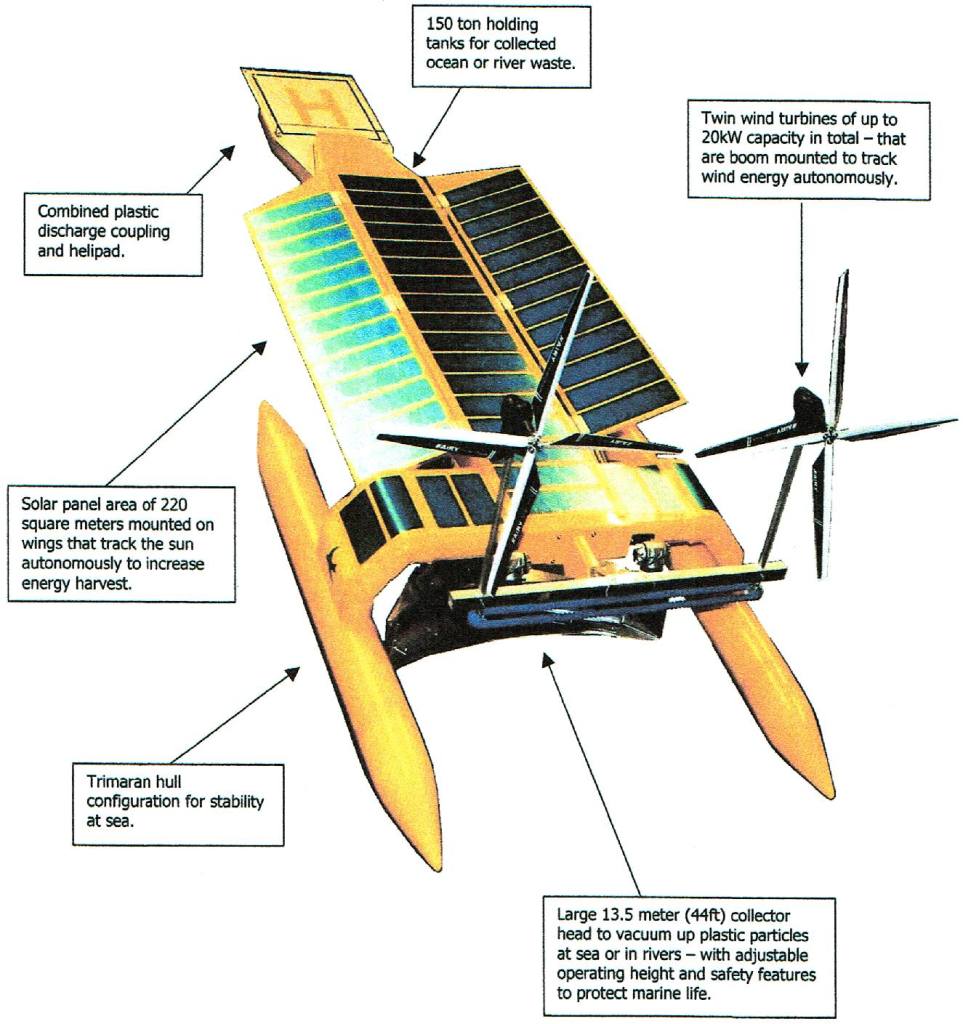
3- ROBOTIC VACUUM

Finding plastic is much the same as going fishing, you need to know where to let go the nets to catch the fish – or don’t bother casting off. Charles Moore, oceanographer, returned from a five-week exercise in the Pacific Ocean with water samples showing 48 parts plastic for every part of plankton. This filter is more towards the deeper part of the oceans.

Barely 1% of marine plastics are found floating at or near the ocean surface, with an average global concentration of less than 1kg/km2. This concentration increases at mid-ocean locations We can (and should) clean from these centers outward, but would do more good concentrating on incoming, where over 80% of the annual input comes from land (everyday items such as drinks bottles and other plastic packaging), and the remainder comes from plastics released at sea, the majority as a result of fishing activities – due to lost and discarded fishing gear.

This image shows how this filter is working as a floatation device. The wind turbine structure and solar panels provide energy so that it functions efficiently.

STUDIES

1-HOUSE FOR AN ART LOVER

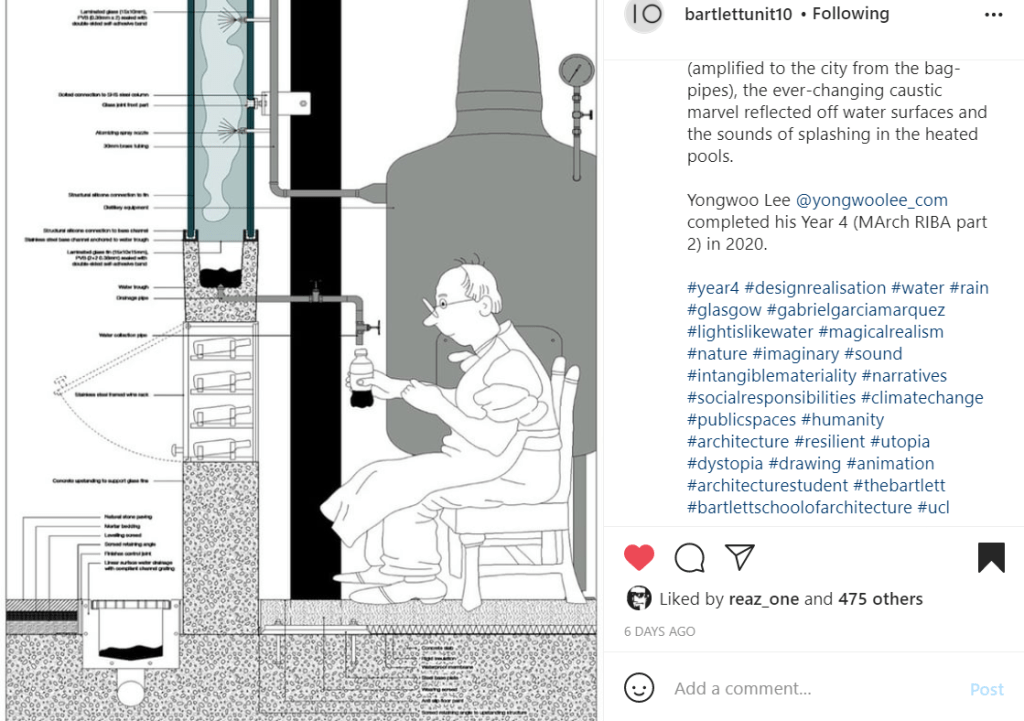
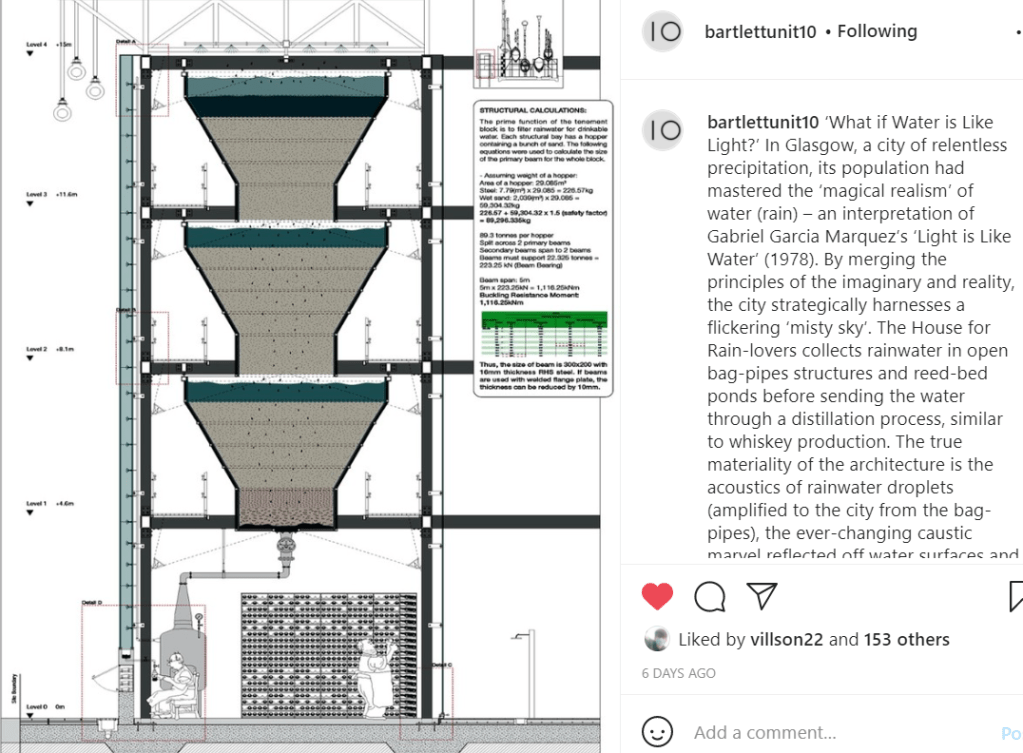
This is a project where the medium is a filter system in an area that mimics the interior as a place with rainfall to bring a mystical feel to it. The house collects open rainwater in open rain pipe structures which sends it through a distillation process and can be used by the user.

This is quite interesting as the display is shown a big part of the system in this project which is what I would like to do.

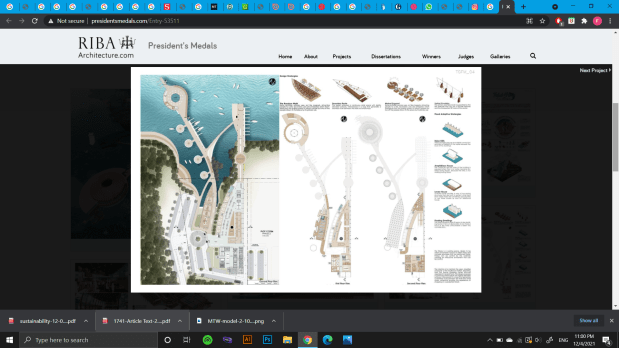
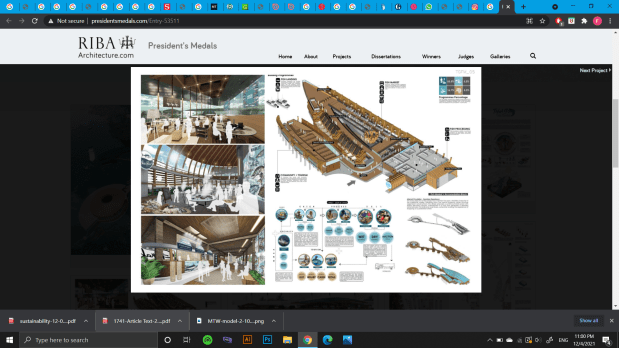
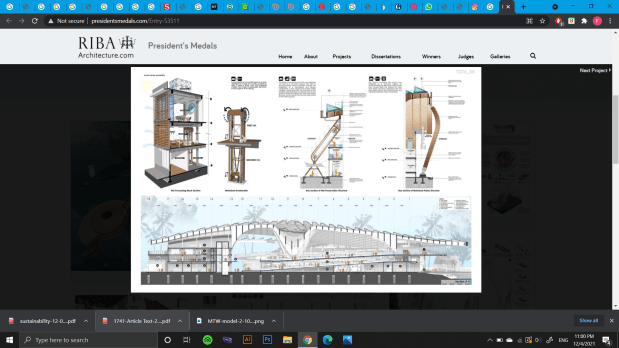
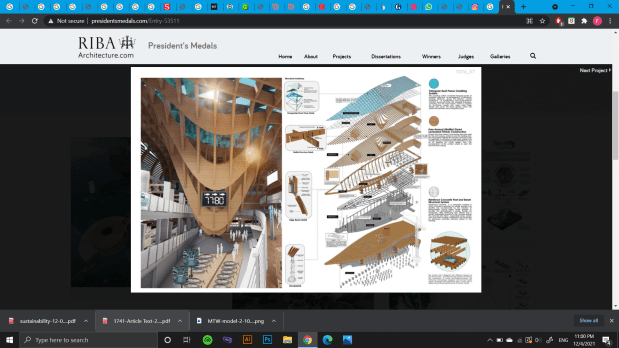
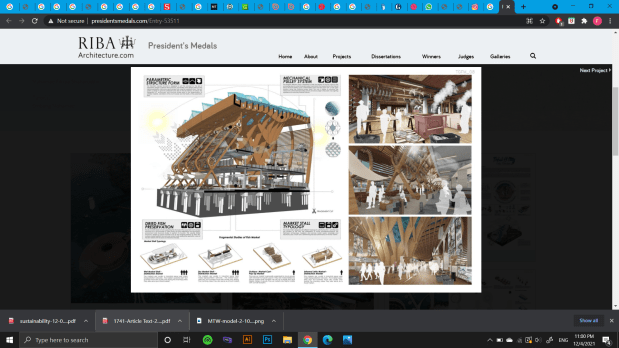
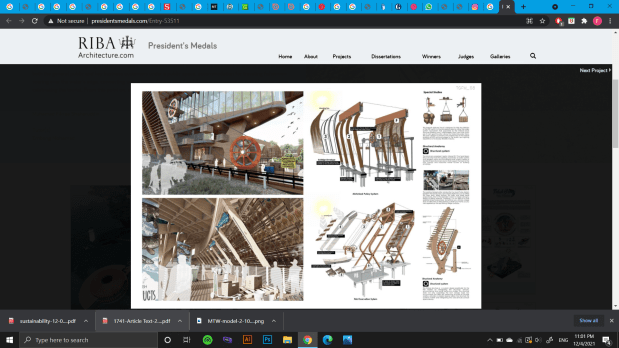
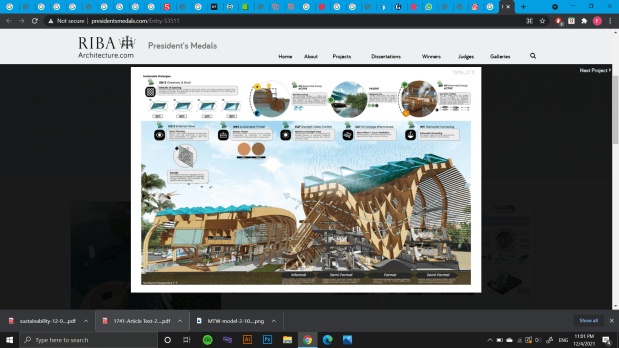
2-TELOK GONG FISH MARKET AND FISHERY TOURISM HUB

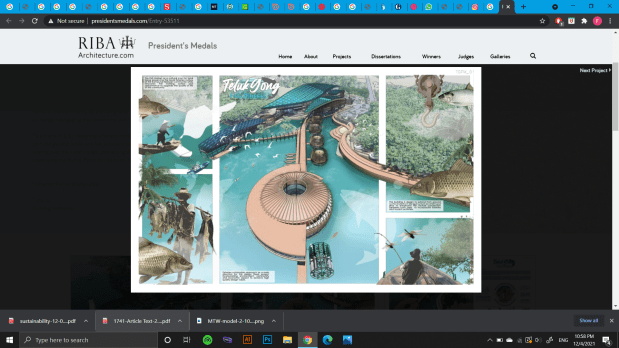
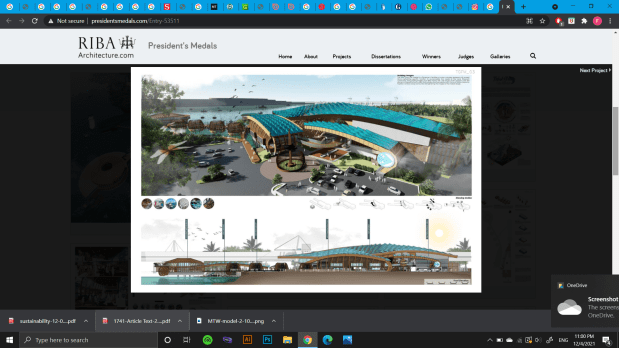
This project is an examination of the opportunity to revitalize the old, small scale fisheries industrial community of Teluk Gong, Port Klang that breaks the current detrimental cycle of exportation. The aim of the project was to revitalize the community by providing local fishermen with the facilities to catch, process, and trade their goods, in exchange, reengaging the community with their local traditional fishery.

To achieve this, by designing a fishery complex, with the fish market and eateries as a central anchor point presented both the general public and key business customers under a public space, accommodation for traveling fishermen soaring over the water’s edge, connecting with a public fishing wharf and floating restaurant as part of center piece celebrating the tourist. From this point on, one can encounter being intertwined as part of the traditional process.

I think that this project shows a lot of interesting ways in which the fishing issues are addressed. The use of pulley system like a medium in the firm of design and also functional for drying fish was quite unique so I want to represent this type of medium relating to the issues

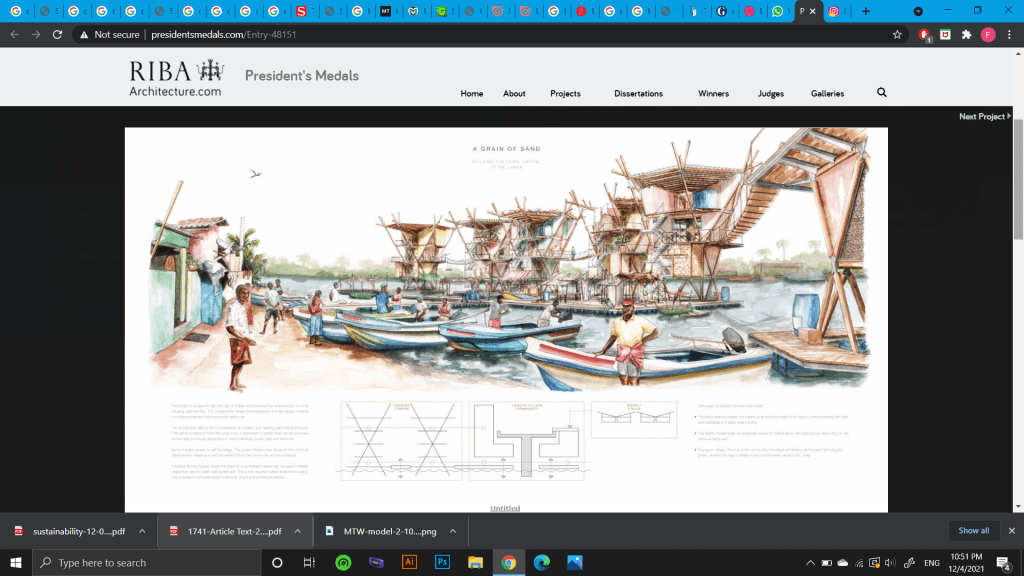
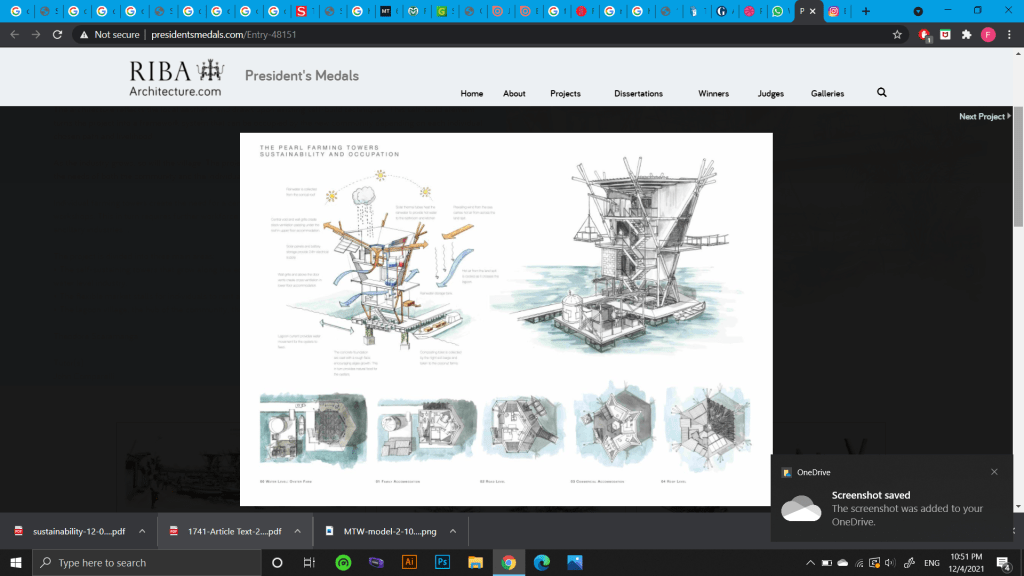
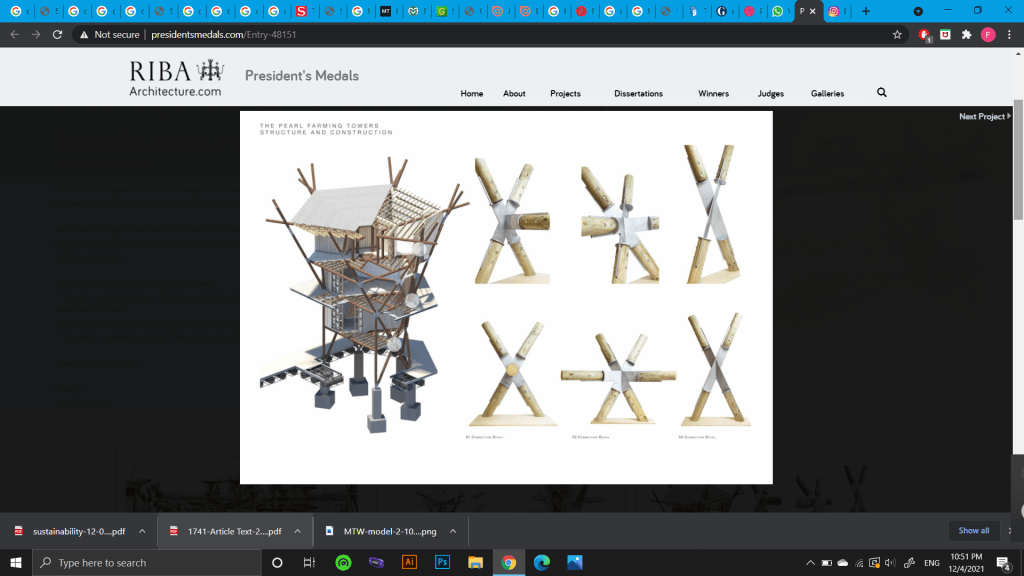
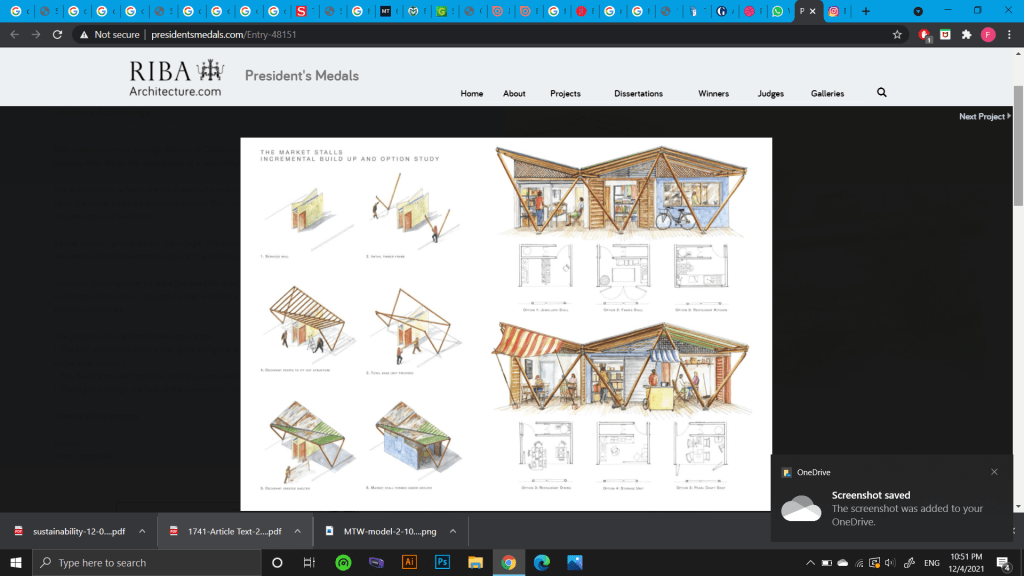
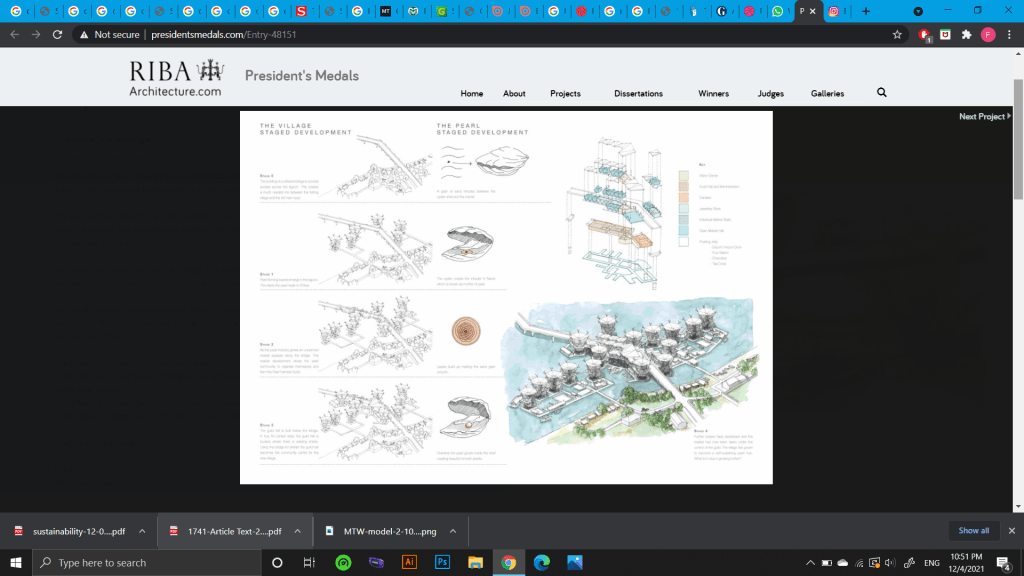
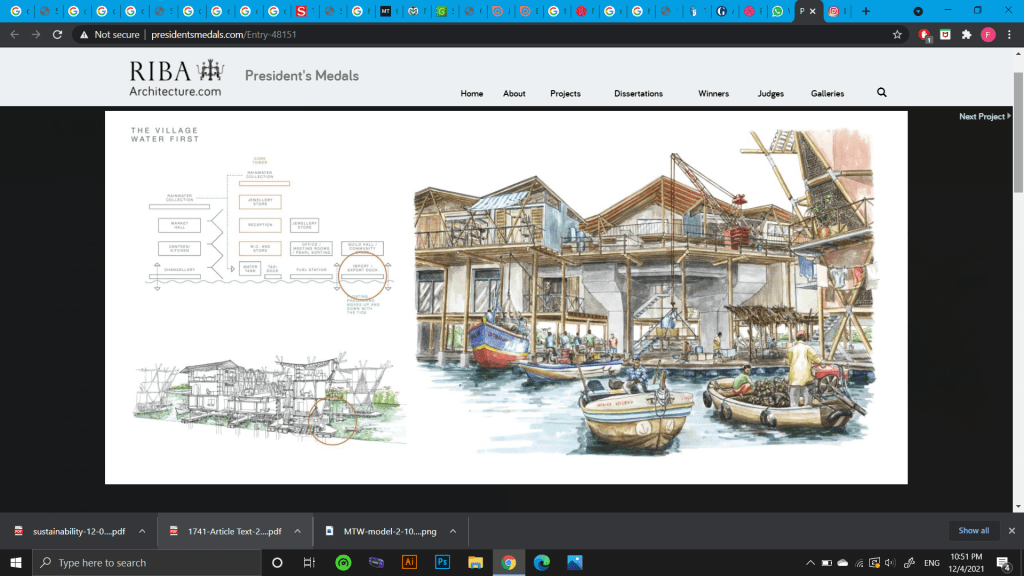
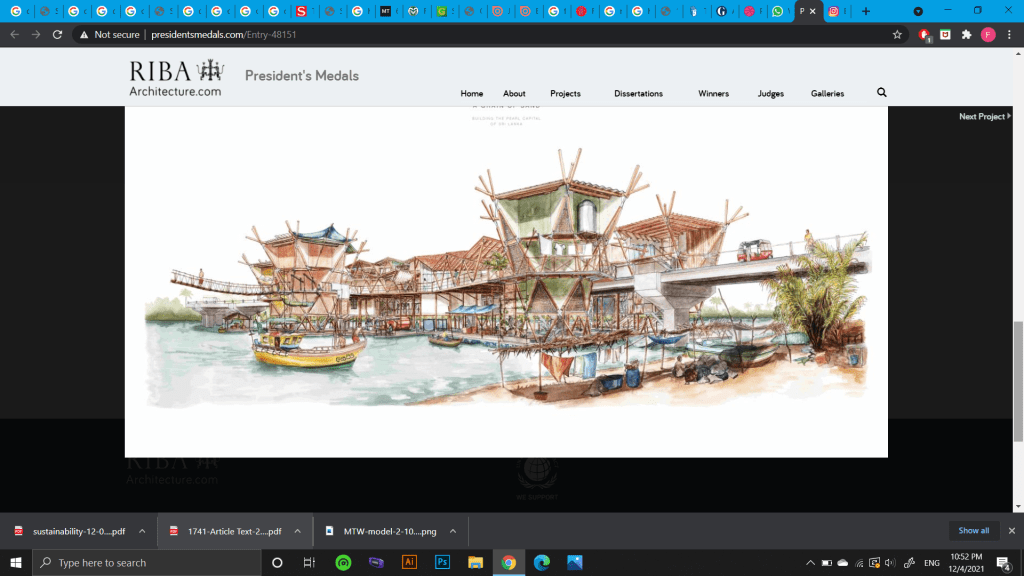
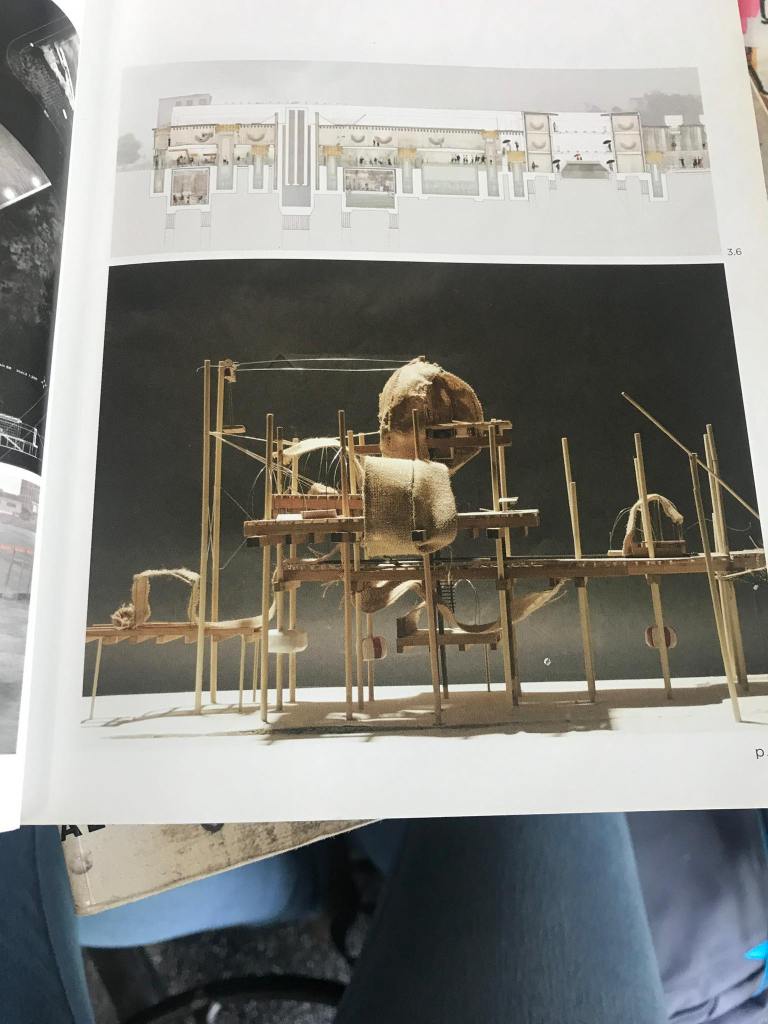
3- A GRAIN OF SAND- BUILDING THE PEARL OF CAPITAL SRILANKA

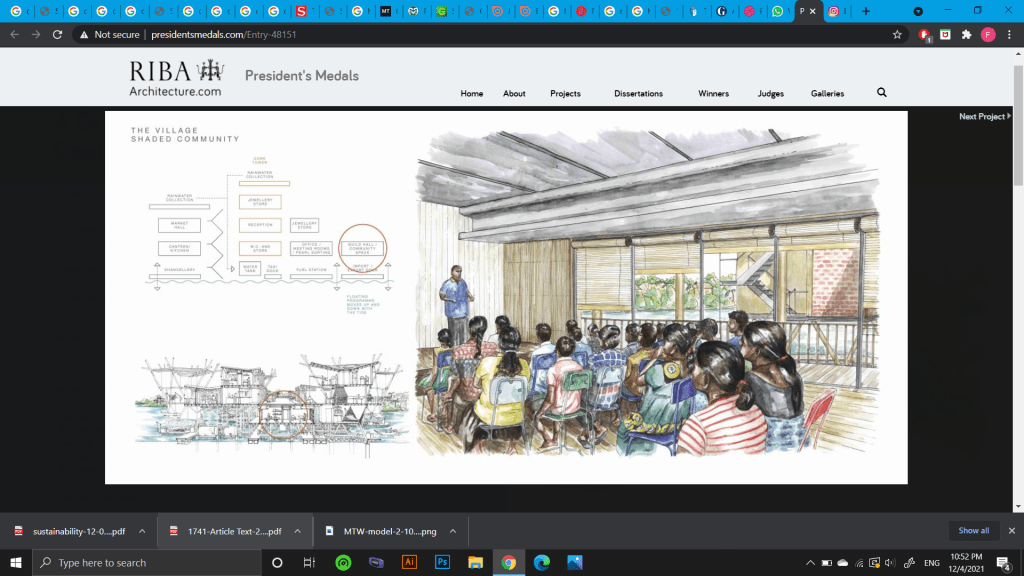
This was a great study material as we can see how much it can impact the community. The structures built reflect their livelihoods nd surroundings.

This project journeys through the city of Chilaw and proposes the reintroduction of a lost industry, pearl farming. This industry then drives the emergence of a new village, creating not only employment, but also community livelihoods.

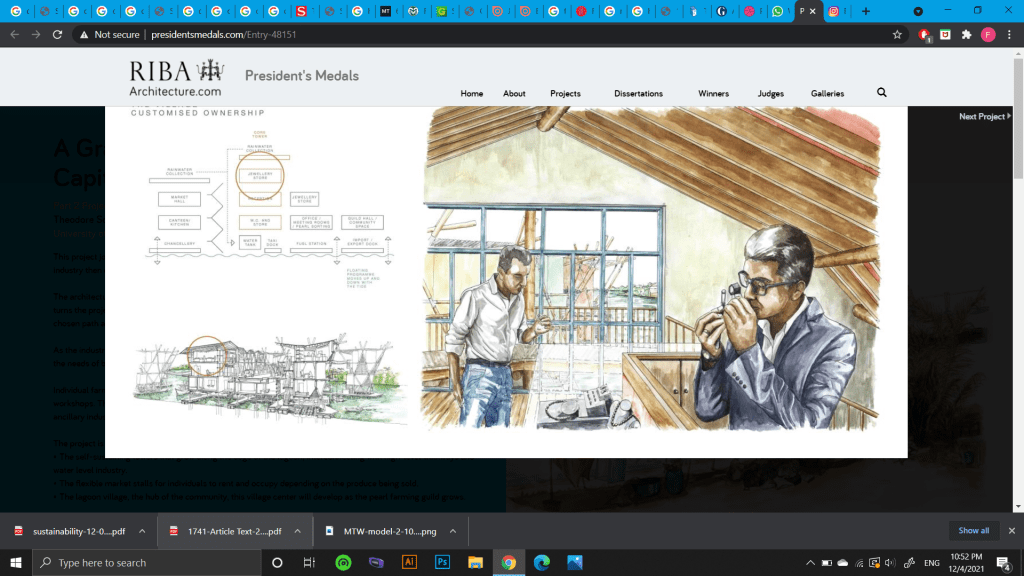
The architecture reflects the local aesthetic and draws upon existing self-build techniques. This self-build element turns the project into a framework system that can be occupied by the new community depending on each individual chosen path and livelihood.

As the industry grows, so will the village. The project infrastructure allows for this continual development, adapting to the needs of both the community and the individual.

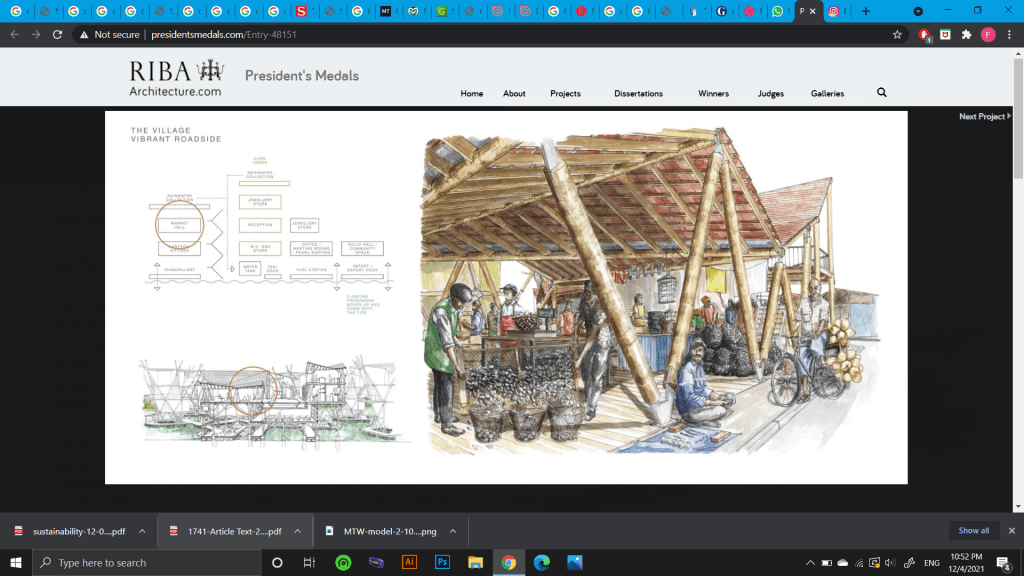
Individual farming towers create the need for a centralised market hall. Increased markets feed the pearl-craft workshops. This in turn requires further workforce housing. The increased community leads to schools, shops and ancillary industries…

The project is divided into three main areas:
• The self-sustaining towers that grow along the edge of the lagoon, interconnecting with high-level walkways and water level industry.
• The flexible market stalls for individuals to rent and occupy depending on the produce being sold.
• The lagoon village, the hub of the community, this village center will develop as the pearl farming guild grows.

WEEK TWO

ISSUES OF SMALL FISHING COMMUNITIES

This is the improved topic which I am researching about the smaller fishing villages in parts of Malaysia and even in my home country. These issues are more towards the smaller community lifestyles.

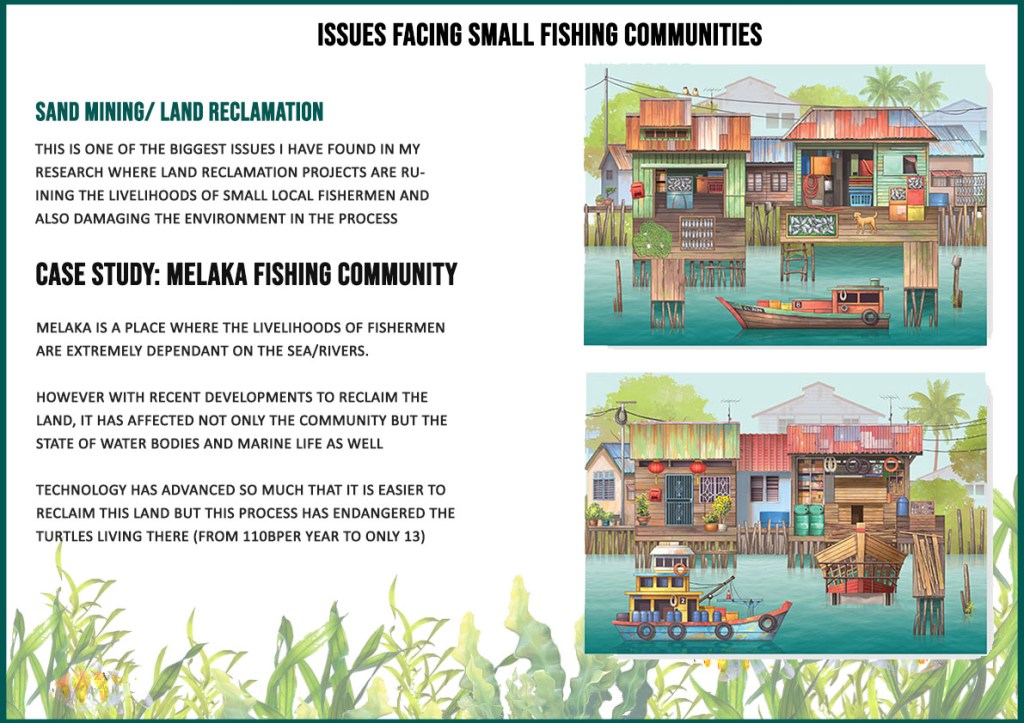
SAND MINING/LAND RECLAMATION PROJECTS

This was one of the biggest issues that has been taking place for a while. The spraying of sand with advanced technology and land reclamation projects have greatly affected the lives of fishermen and the livelihood of the community as well. Melaka for example has had terrible experiences such as drenching of boats, changes in the soil and water which affects both marine creatures and agriculture. Moreover, it has caused a lot of coastal erosion as well as decreasing number of fish due to the changes in river and seabed chemical content.

My idea at the moment is to attack the issue in a way that the design helps to decrease this effect or to prevent these situations with attention to the surrounding context. Or perhaps I could approach a more post apocalyptic method in which I use the eroded area but also try to solve the issue.

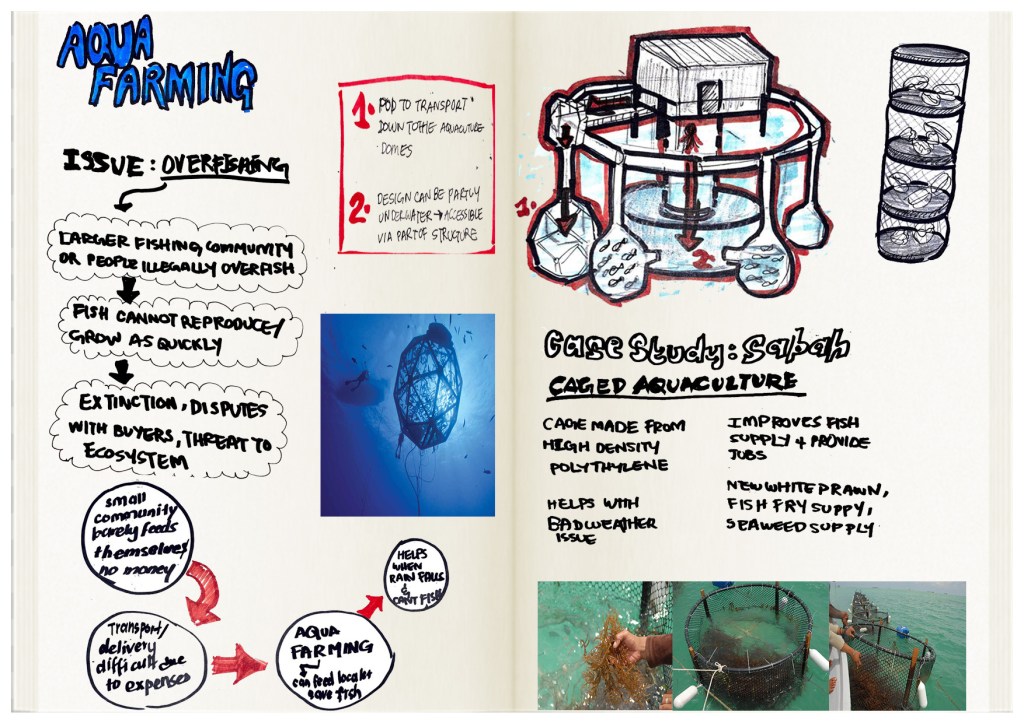
OVERFISHING/WEATHER ISSUES

The first issue I have selected for the problems that smaller communities face are due to overfishing. Fish are caught by larger vehicles with no regard to the effects of the livelihood of smaller fishing villages. While they extort these fish, the locals are left with barely any catches to feed their families and now less younger children aim to be fishermen due to this issue as well.

To help with the issue of lack of fish availability or weather, my proposal is to incorporate aquafarming as a part of the design structure. With the fishing villages above the sea level, this could even use the surrounding environment efficiently to do so. The pods or cages for aquafarming can be underwater with a path to access it.

Aquafarming basically helps to breed the species needed to be sold or even endangered species in order to restore the ecosystem. A case study I researched for this in Sabah includes cages to keep seaweed and crustaceans in to grow them in this way.

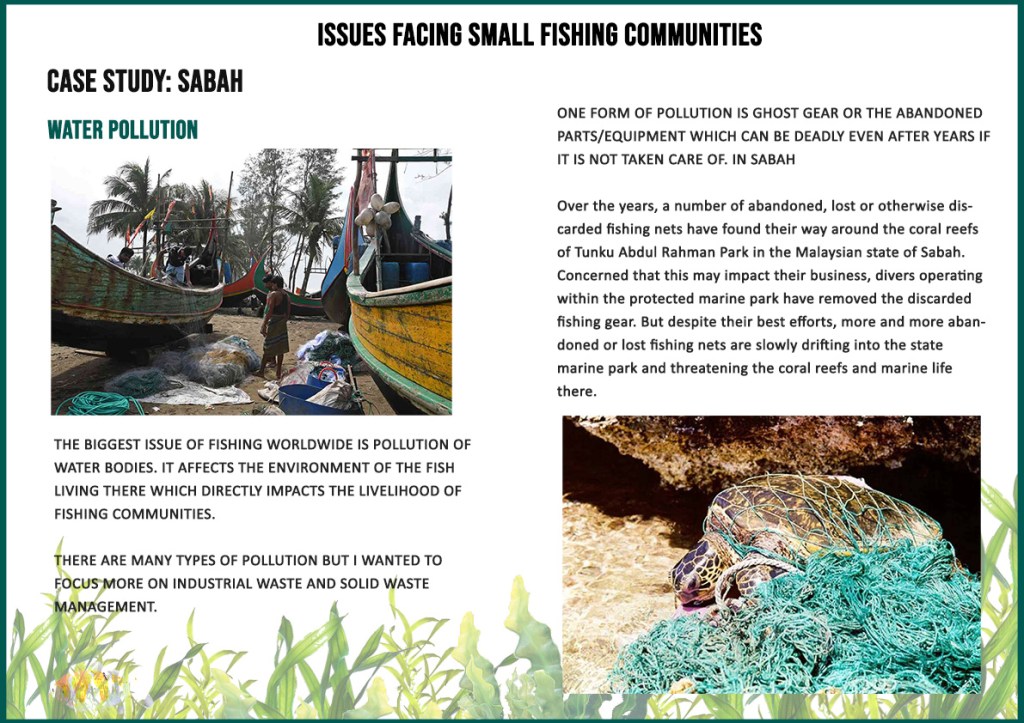
POLLUTION

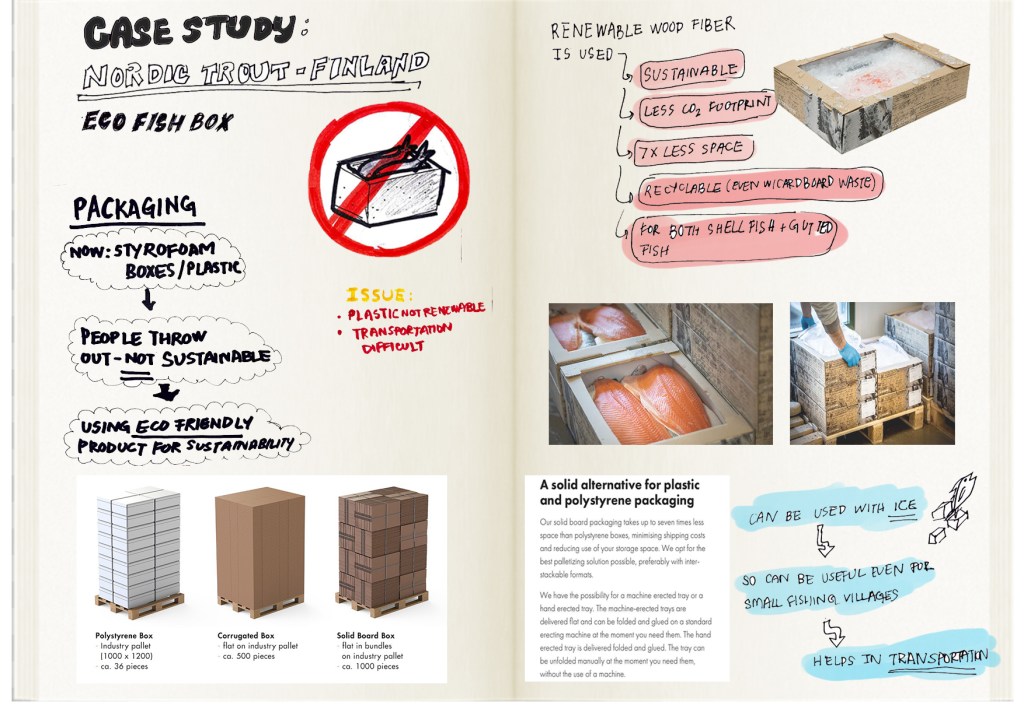
PACKAGING

Another factor I had thought about was the packaging. The Styrofoam boxes used in transportation is not sustainable and takes way too much space. So to counter that, I have researched a case study in Finland that uses wood fibers instead. The best part is it is both applicable for shellfish and fish and can be kept in ice.

FORUM 01: Designing interiors is no longer only about materials, finishes, space planning and beautiful furniture; but it is now looking into how people work, integrating systems thinking with activities etc. What is your opinion?

MY ANSWER:

-This is a statement I wholeheartedly agree with. As a designer, it is our job to make a functional space that helps in solving the issue that the user or audience is facing using creative means that are related to the lifestyle that the audience follows.

-Without functionality, it just becomes and oddly made space that one simply admires and stares until they get bored of it. In order to create a working environment for any space, we must integrate systemic thinking in a way that this place can be continued instead of just being used at the beginning.

-Simply put, systemic thinking is the approach to design with accordance to understand the flow of value from several aspects of the company/business.

-This combines the knowledge of sections such as the flow of activities with relation to the people and considering the place, policies of the company or where ever you design. There is a testing period or ‘prototyping” test before the official launch of an idea or a product to see if it works.

-Moreover, lot of emphasis is given to the management of skills for approaching the problem with empathy and human centered solutions. This is to ensure that there is a continuity with the activities that the users plan on doing ad if not done so, can easily stop being useful.

-I believe that Systemic thinking exceeds the knowledge of only the organization, as it talks about external subjects such as environment, regulations and how it works to create a better system than what is already in place.

Design thinking without systemic thinking involved, has a chance to produce negative effects as well. For example, the design thinking process may produce services that can later become problematic in a systems context which could make it dysfunctional. So rather than just an end result or product, we should keep the design adjustable to follow the changes in users needs. If it was made just to look pretty then this can not be implemented well. Following this thinking, products and services are not the only end goal we need to keep in mind, they are stopping points which can be improved upon in my humble opinion.

Designers do not necessarily change the system but add onto it to create and enhance the already existing system. Additionally, if we implement systemic thinking into this, there is more context involved and it creates much more meaningful solutions that help in the long run. Therefore if we don’t keep these policies in our mind and practice it less, it could affect the design and become rendered as quite useless or easily replaceable to make another space.

We as designers should strive to help the community and produce effective results for a long time. As I believe, good design comes from accomplishing users needs more than making something aesthetically beautiful.

WEEK ONE

IDEAS

For the first tutorial session, we had to choose any topic and any theme that we wanted. When our lecturer said this, at first I drew a blank as too many possibilities made my head spin. Thinking of all aspects of the subject matter, medium and design made my head spin. However, as mentioned in the lecture, I tried to focus on something that sparked my interest and was an issue that people were facing as well. As I believe, design is best expressed with relation to their function. So I started researching these issues and came up with two ideas.

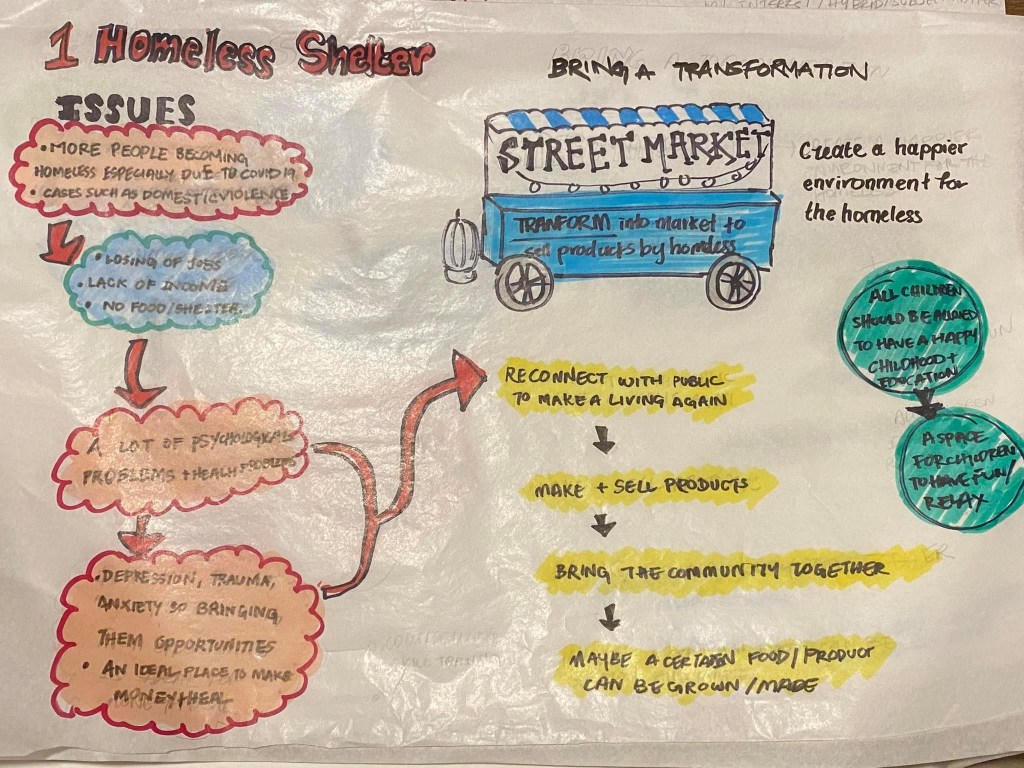
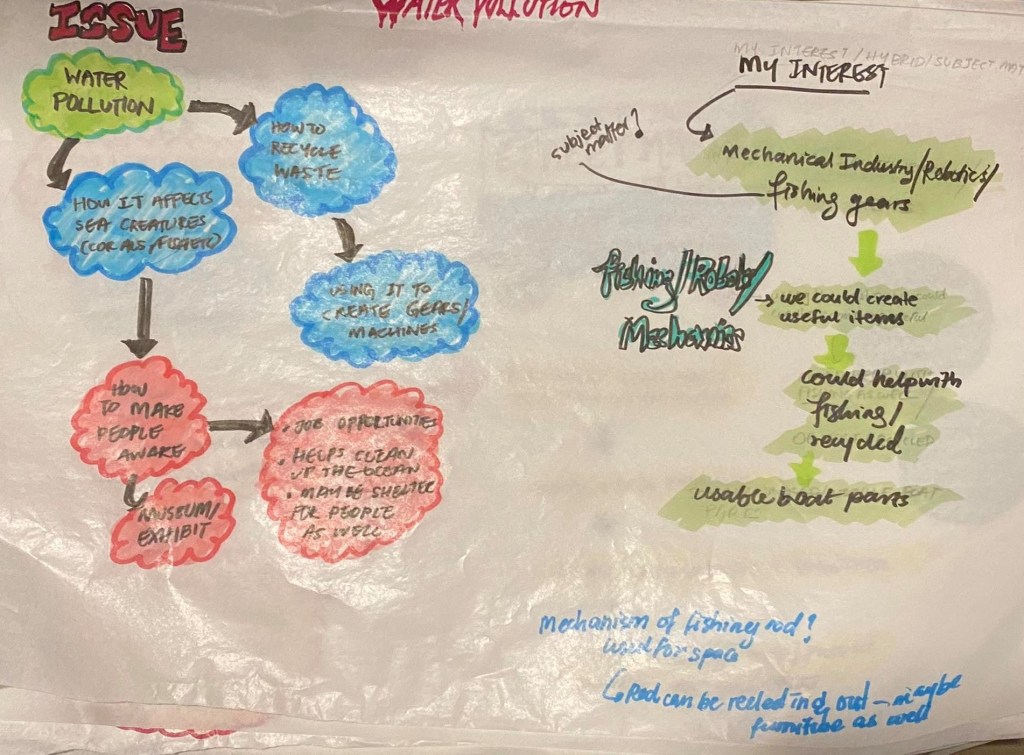
Shown below are two simple thought process diagrams I had in my head.

HOMELESS SHELTER

Firstly, my idea was to make a homeless shelter for the people living on the streets in Malaysia. They become homeless for several reasons such as poverty or domestic violence so I wanted to make a healing/lively interior for the residents. I planned to incorporate a street markets culture into the area in the form of design and spatial planning and also areas for kids to thrive in their interests and education. However, following the advice of my tutor on the government dealing with such issues and this problem being a subject matter already been done too many times, I decided to choose my second option.

WATER POLLUTION

This is an issue I have a passion for as it is something that I see even in my own country every day. Marine pollution is a worldwide issue that greatly affects both livelihoods of the people and the animals.

In order to solve this, I had an idea to use the trash that we retrieve to make fishing gears or other recyclable gadgets. I also planned on making this area like a museum exhibition using the trash to represent marine animals and also have coral growing farms to save the oceans. As a medium, for now I have considered a fishing rod but have not figured out the way to incorporate it properly into the design.

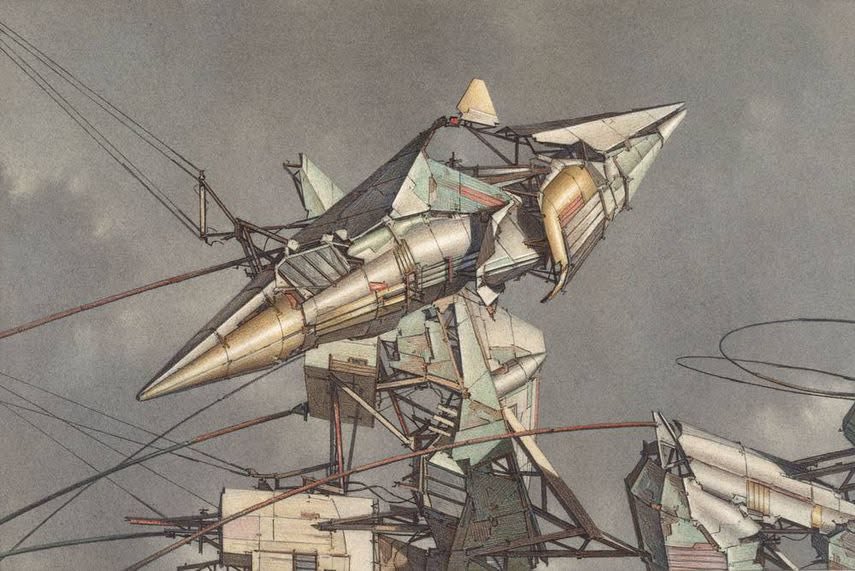
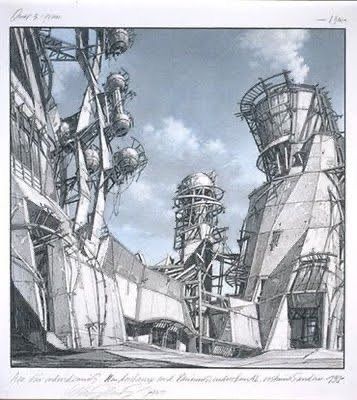
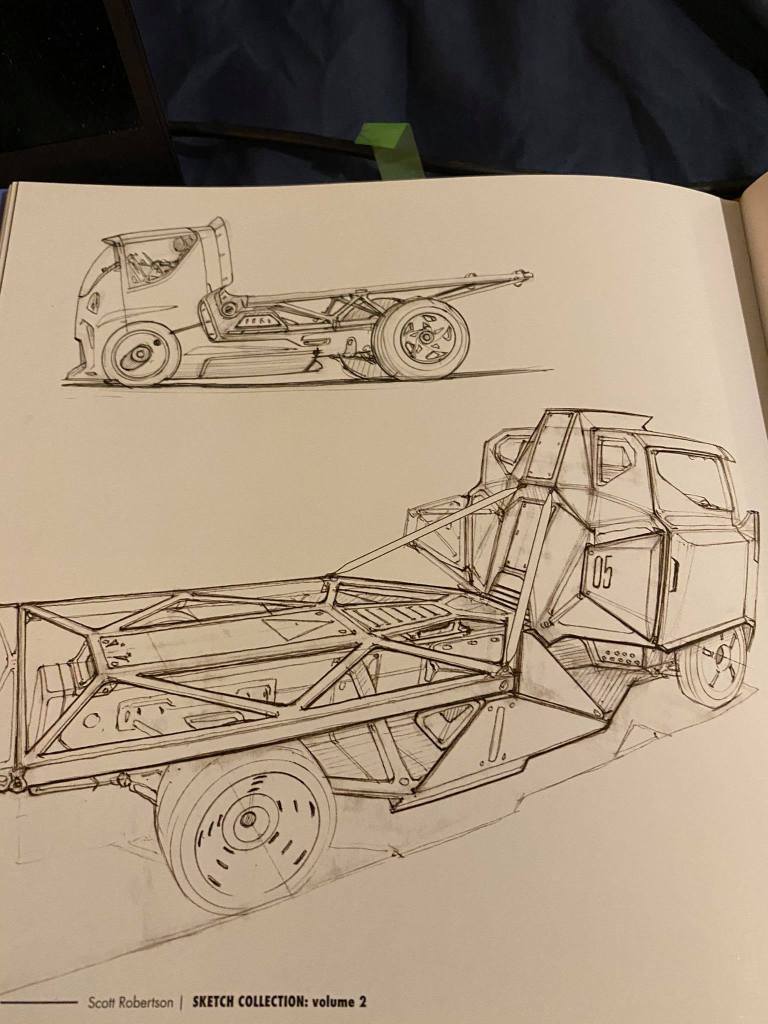
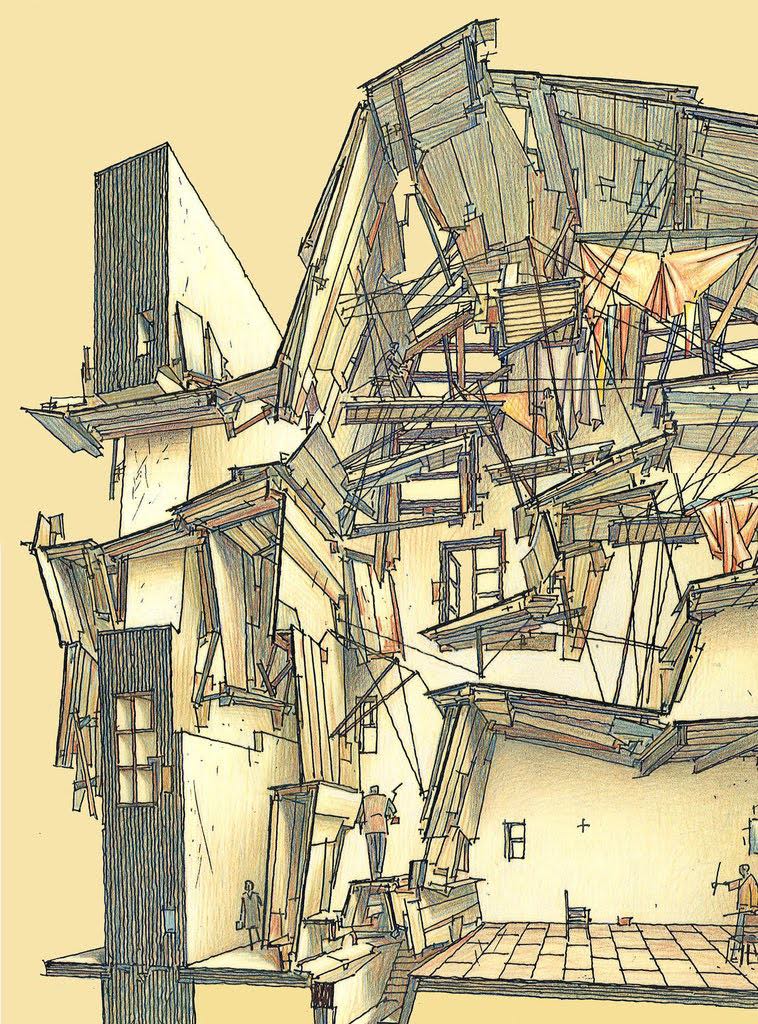
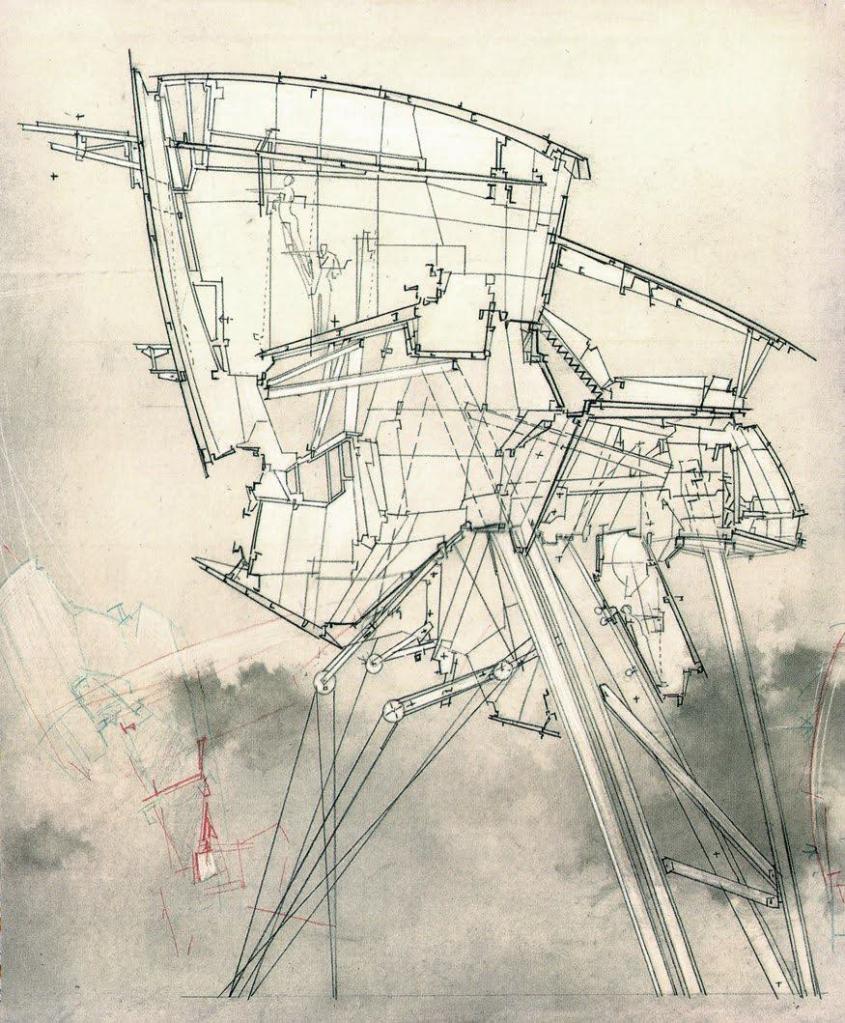
I have a keen interest in the works of Lebbeus Woods and other robotics/gear like drawings/structures. This is what I want to incorporate into my design as he is my favourite architect and I enjoy conceptual designs. Right now I am a bit confused on how I can express this or combine these elements

FEEDBACK

For the first tutorial, my tutor suggested to alter my idea to smaller fishing community issues instead of the larger fishing ones. He wanted me to research more about the issues facing locals in Malaysia in these remote areas and perhaps even pay a visit to locations like Kuala Selangor or even Melaka. This was a great idea and it filled me with excitement to actually experience this site and lifestyle. I have not gone yet but I plan on doing so, first I need to find someone to translate Bahasa to me. So after receiving this feedback, I plan on researching more on the issues.
ISSUES OF SMALL FISHING COMMUNITIES

This is the improved topic which I am researching about the smaller fishing villages in parts of Malaysia and even in my home country. These issues are more towards the smaller community lifestyles.
Introduce Yourself (Example Post)

This is an example post, originally published as part of Blogging University. Enroll in one of our ten programs, and start your blog right.

You’re going to publish a post today. Don’t worry about how your blog looks. Don’t worry if you haven’t given it a name yet, or you’re feeling overwhelmed. Just click the “New Post” button, and tell us why you’re here.
Why do this?

  • Because it gives new readers context. What are you about? Why should they read your blog?
  • Because it will help you focus your own ideas about your blog and what you’d like to do with it.

The post can be short or long, a personal intro to your life or a bloggy mission statement, a manifesto for the future or a simple outline of your the types of things you hope to publish.

To help you get started, here are a few questions:

  • Why are you blogging publicly, rather than keeping a personal journal?
  • What topics do you think you’ll write about?
  • Who would you love to connect with via your blog?
  • If you blog successfully throughout the next year, what would you hope to have accomplished?

You’re not locked into any of this; one of the wonderful things about blogs is how they constantly evolve as we learn, grow, and interact with one another — but it’s good to know where and why you started, and articulating your goals may just give you a few other post ideas.

Can’t think how to get started? Just write the first thing that pops into your head. Anne Lamott, author of a book on writing we love, says that you need to give yourself permission to write a “crappy first draft”. Anne makes a great point — just start writing, and worry about editing it later.

When you’re ready to publish, give your post three to five tags that describe your blog’s focus — writing, photography, fiction, parenting, food, cars, movies, sports, whatever. These tags will help others who care about your topics find you in the Reader. Make sure one of the tags is “zerotohero,” so other new bloggers can find you, too.

Introduce Yourself (Example Post)

This is an example post, originally published as part of Blogging University. Enroll in one of our ten programs, and start your blog right.

You’re going to publish a post today. Don’t worry about how your blog looks. Don’t worry if you haven’t given it a name yet, or you’re feeling overwhelmed. Just click the “New Post” button, and tell us why you’re here.

Why do this?

  • Because it gives new readers context. What are you about? Why should they read your blog?
  • Because it will help you focus your own ideas about your blog and what you’d like to do with it.

The post can be short or long, a personal intro to your life or a bloggy mission statement, a manifesto for the future or a simple outline of your the types of things you hope to publish.

To help you get started, here are a few questions:

  • Why are you blogging publicly, rather than keeping a personal journal?
  • What topics do you think you’ll write about?
  • Who would you love to connect with via your blog?
  • If you blog successfully throughout the next year, what would you hope to have accomplished?

You’re not locked into any of this; one of the wonderful things about blogs is how they constantly evolve as we learn, grow, and interact with one another — but it’s good to know where and why you started, and articulating your goals may just give you a few other post ideas.

Can’t think how to get started? Just write the first thing that pops into your head. Anne Lamott, author of a book on writing we love, says that you need to give yourself permission to write a “crappy first draft”. Anne makes a great point — just start writing, and worry about editing it later.

When you’re ready to publish, give your post three to five tags that describe your blog’s focus — writing, photography, fiction, parenting, food, cars, movies, sports, whatever. These tags will help others who care about your topics find you in the Reader. Make sure one of the tags is “zerotohero,” so other new bloggers can find you, too.